
Human Rights as Peace Infrastructure: Insights from Thailand and Cambodia’s Border Tensions

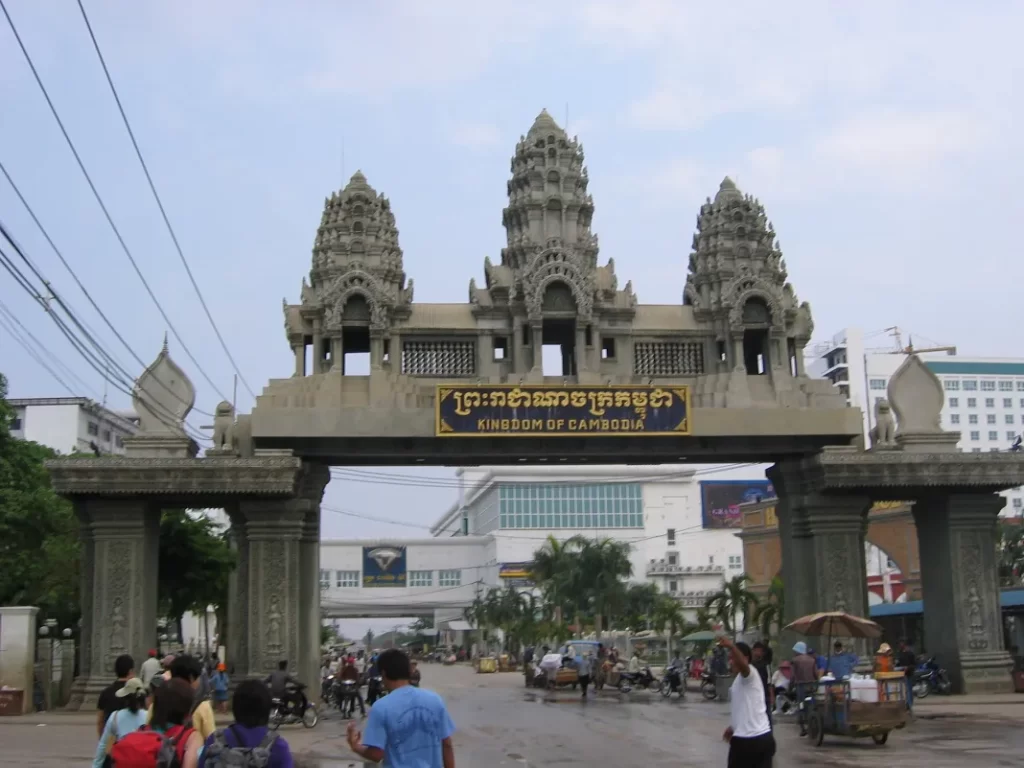
Amidst the border conflict between Thailand and Cambodia, which escalated on July 24, 2025, some Thai human rights defenders have faced threats after standing up for the rights of Cambodian civilians. These threats have come in the midst of heightened nationalist sentiments in both countries.
The recent experiences of Thai Senator Angkhana Neelapaijit and human rights defender Sunai Phasuk, who face death threats and online harassment, highlight a profound insight: The defense of human rights is not merely a matter of protecting individuals, but of maintaining the social foundations that sustain peace. Their cases invite us to reimagine human rights as a peace infrastructure, a framework of institutions, values, and relationships that prevents the escalation of conflict and anchors trust within everyday governance.
Human Rights Defenders Amid Border Tensions
During the Thai-Cambodian ongoing border conflict in October 2025, senator and former human rights commissioner Angkhana Neelapaijit and Human Rights Watch senior researcher Sunai Phasuk warned that the use of amplified ghost-like noises along the Thai-Cambodian border— described as “haunting wails” broadcast through loudspeakers by a Thai nationalist influencer—could amount to psychological intimidation, and risk violating Thailand’s obligations under the UN Convention Against Torture. They cautioned that while nationalism and anger were running high, such acts risked dehumanizing others and undermining human rights standards Thailand has pledged to uphold.
Having been accused of being unpatriotic, their remarks fueled online debates over the incident, which escalated into hate speech and targeted harassment. In response, Senator Angkhana urged both Thais and Cambodians to refrain from spreading inflammatory or dehumanizing content online, emphasizing that hate speech only deepens divisions and undermines regional harmony. Echoing this, a network of human rights organizations issued a statement denouncing hate speech, and called for the protection of the freedom of expression of human rights defenders like Senator Angkhana and others who shared their dissenting views, raising questions to the government about the ongoing border conflict.
Attacks against human rights defenders such as this reveal the precarity of Thailand’s civic space, where defending accountability can be mistaken for disloyalty. Amnesty International Thailand (2025) and Front Line Defenders (2024) note that the increasing hostility toward rights defenders exposes weaknesses in democratic dialogue, while UNDP Thailand (2023) points to systemic gaps in state capacity to ensure a safe environment for protecting the freedom of expression of those defending rights and demanding accountability.
At the same time, nationalist tensions and clashes between the Thai and Cambodian populations underscore the fact that ensuring human rights is not only about protecting individuals but also about preventing conflict from escalating into violence.
Human Rights Standards and Conflict Transformation
Human rights provide the ethical and institutional foundation for peace. Michelle Parlevliet (2009) argues that violations of rights are both causes and consequences of violent conflict; Repression and exclusion sow grievances that can later explode into violence. Protecting rights, by contrast, nurtures legitimacy and accountability, key conditions for trust and social stability. Similarly, Riva Kantowitz (2020) stresses that upholding human rights is a crucial element of conflict prevention. Integrating human rights analysis into peacebuilding helps identify root causes, such as inequality, discrimination, and marginalization, thereby turning normative commitments into preventive strategies. The UN–World Bank’s Pathways for Peace report (2018) affirms that investing in rights-based prevention is both morally and economically sound.
The supposed trade-off between peace and upholding rights is misleading: Genuine peace requires justice, as Parlevliet (2009) conceptualizes rights as rules, institutions, relationships, and processes, each indispensable for transforming conflict. As such, all parties should be reminded that sustainable peace requires not only laws that protect civic space, but also trust-building between citizens and institutions, as well as participatory processes that legitimize public dialogue. When activists and human rights defenders are criminalized or psychological tactics are normalized, citizens ‘ relationships fray. The erosion of trust and inclusion deepens social divides, and diminishes the possibility of creating peace.
At the same time, adherence to human rights standards on both the Thai and Cambodian sides is not merely a normative obligation, but a pragmatic tool for stability and confidence-building. Respecting international human rights norms help establish predictable and transparent behavior by both state and non-state actors along the border, thereby reducing the likelihood of miscommunication or escalation. In essence, human rights compliance serves as a form of preventive diplomacy, anchoring cross-border relations in shared values rather than suspicion, and ensuring that disputes are resolved through dialogue and legal mechanisms rather than intimidation or retaliation.
Human Rights as the Foundation of Peace Infrastructure
John Paul Lederach (1997; 2012) introduced the concept of an infrastructure for peace (I4P) to describe the social systems that support reconciliation and non-violent conflict transformation. He argues that peacebuilding is an ongoing process that connects grassroots relationships with national institutions through sustained, participatory mechanisms. An infrastructure for peace thus bridges the “vertical gap” between communities and policymakers, ensuring that early warning, dialogue, and reconciliation mechanisms are institutionalized. In the context of the Thai–Cambodian conflict, this could involve cross-border civic forums, independent human rights monitoring, and educational programs on non-discrimination.
Protecting human rights defenders like Angkhana and Sunai is therefore integral to peace infrastructure; They embody the connective institutions and moral voice linking state responsibility and civic participation.
Both Kantowitz (2020) and Lederach (1997) emphasize that human rights are not abstract ideals, but the operational core of sustainable peace. Rights institutionalize inclusion, accountability, and transparency, the same values that underpin conflict transformation. Embedding these principles in governance, security, and education systems builds a self-correcting social order that mitigates grievances before they escalate. For Thailand and Cambodia, human rights serve as a peace infrastructure by transforming moral commitments into living systems of protection, participation, and peaceful coexistence.
From Protecting Individuals to Building Systems of Peace
The cases of Senator Angkhana Neelapaijit and Sunai Phasuk remind us that defending human rights is inseparable from building peace itself. When human rights standards guide political behavior, security measures, and public discourse, they function as the invisible scaffolding of peace. Conversely, when fear, intimidation, or misinformation dominate, they erode this scaffolding, leaving societies vulnerable to recurring tension. Reimagining human rights as peace infrastructure reframes them not as constraints but as the architecture of stability and coexistence. For Thailand and Cambodia, this means institutionalizing respect for human dignity at every level, from border policy to civic dialogue, so that peace is not merely the absence of conflict, but the capacity to engage in it constructively, with mutual respect and shared responsibility.