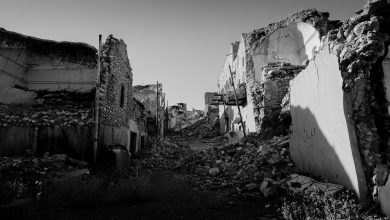


The humanitarian situation in Sudan remains dire as the fighting continues between the country’s army – the Sudanese Armed Forces (SAF) and the paramilitary, Rapid Support Forces (RSF).
The generals leading the two sides, both accused of committing war crimes and crimes against humanity in the resource-rich Northeast African nation, show no real signs of yielding to international calls for a ceasefire.
Here are the key humanitarian and political developments from this month:
- Witnesses and international aid agencies working on the ground in Darfur recounted widespread horrific instances of atrocities committed by the RSF in the aftermath of its bloody takeover of el-Fasher. Evidence shows RSF militias engaged in mass killings, rape of women and girls, and taking hostages for ransom.
- Thousands of people remain missing after fleeing el-Fasher for surrounding areas like Tawila. Thousands more Sudanese civilians were forced to run to neighbouring Chad, where the humanitarian situation is faring no better, and agencies are working to assist people amid depleting UN finances.
- Satellite images showed that the RSF systematically burned and buried a large number of bodies in mass graves across multiple areas of el-Fasher to hide what a Sudanese nongovernmental medical organisation called a “genocide”.
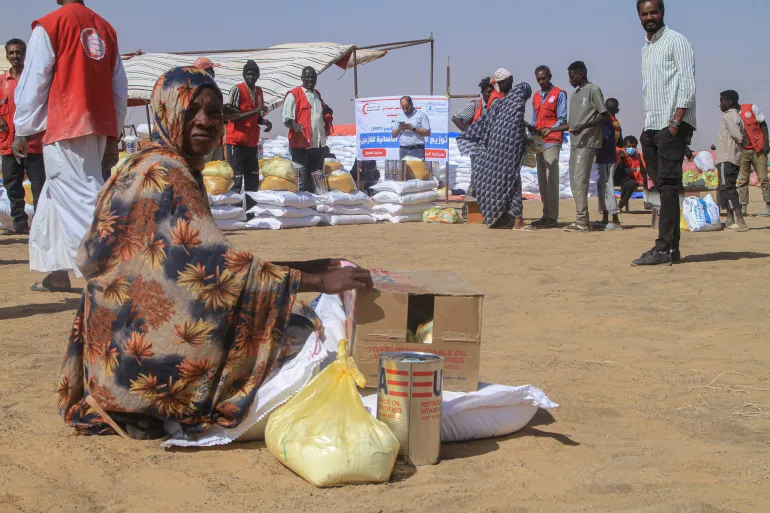
- The Integrated Food Security Phase Classification, or IPC, in early November confirmed that famine had been detected not only in el-Fasher, but also in Kadugli, located in South Kordofan. The United Nations-backed global hunger monitor said 20 other areas in Darfur and Kordofan were also at serious risk of sliding into famine conditions as most aid remains blocked.
- Amy Pope, director general of the UN’s International Organization for Migration, said Sudan has the world’s largest displacement crisis and that it does not get the attention it deserves despite mostly affecting children and women. Nearly 14 million people are displaced internally or forced to flee to impoverished neighbouring countries.