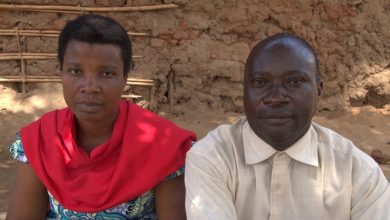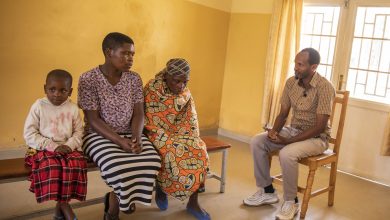


People in Northern Mozambique have been facing violence and displacement by non-state armed groups amidst an Islamist insurgency since 2017. Since then, around 1.3 million people have been displaced in the region due to attacks on civilian infrastructure. From July 20 to 28 2025, at least 46,667 people across the districts of Chiúre, Ancuabe, and Muidumbe were forced to flee their homes, with many children separated from their families.
The UN Office for the Coordination of Humanitarian Affairs (OCHA) has stressed that the aid response to the crisis remains “severely underfunded.” As of July, OCHA reported, only 19 percent of Mozambique’s 2025 Humanitarian Response Plan has been funded. Of the US$352 million requested, just US$66 million has been received – forcing agencies to reduce their response targets by over 70 per cent. Agencies now have a goal of assisting only 317,000 people, UCHA reported, down from the target of 1.1 million at the start of the year.
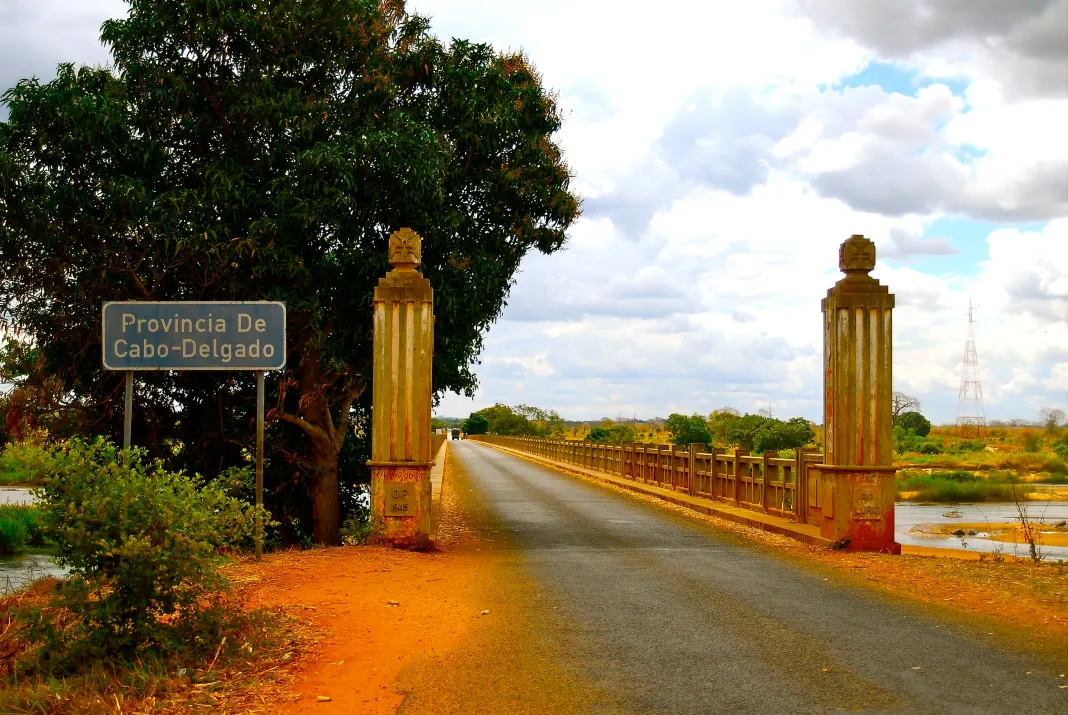
Germany and the United Nations Development Programme (UNDP) are stepping in to support peace and development in the region. On October 24, 2025, Germany and the UNDP Mozambique commemorated UN Day 2025 by signing an agreement worth EUR 2 million in support of the Programme for the Stabilization of Northern Mozambique. Germany will help to contribute toward work to consolidate peace and social cohesion in conflict-striken areas. Germany will particularly focus on Cabo Delgado province, where the local population is still recovering from violence and displacement.
The Programme for the Stabilization of Northern Mozambique includes three key focus points:
- Security and rule of law, to strengthen community safety and protect populations;
- Infrastructure rehabilitation, to enable access to essential services; and
- Socio-economic recovery, to expand livelihood opportunities and resilience among affected populations.
The program is supporting the livelihood of thousands of households to rebuild their lives in resettled areas. It is also helping to rehabilitate public institutions such as schools, markets, health centres, and administrative offices. In addition, the program has been organizing community dialogues to build reconciliation and trust.
Many other groups and agencies have also contributed funds to support peace and development in Northern Mozambique. In July, the African Development Bank approved US$17 million dollars to rebuild the region. This funding, the Bank said, would create 24,000 jobs, with 60% of opportunities earmarked for young people aged 18 to 35, and 50% reserved for women. The funding was expected to benefit over 100,000 people.
Still, bringing stability to Northern Mozambique will not be an overnight feat. According to the United Nations High Commissioner for Refugees (UNHRC), the climate crisis is straining capacities and deepening protection risks for communities impacted by displacement. Another challenge is that Mozambique also has 25,000 Central and Eastern Africa who have been displaced for over 10 years.
UNDP Resident Representative Edo Stork said, “Stabilization is not only about rebuilding infrastructure — it is about restoring trust and opportunity.” He added, “By supporting local governance, economic inclusion, and social cohesion, we are helping communities lay the groundwork for a peaceful and sustainable future.”
The UNDP has played a key role in peace and development projects across several African countries. In September 2025, Peace News Network (PNN) published an article on the program Peacebuilding and Preventing Violent Extremism (PVE) in East Africa. The UNDP and a South Korean agency are collaborating on the project in Somalia to make youth and marginalized groups more resilient against extremism through dialogue, peer-to-peer exchanges, and multimedia peace campaigns.