

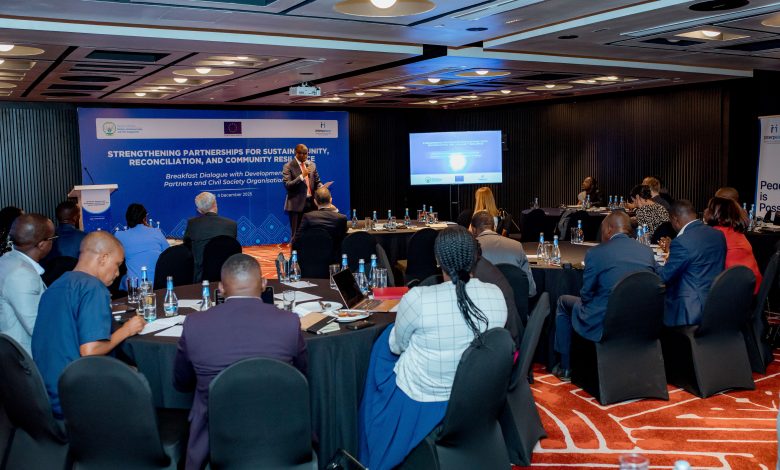
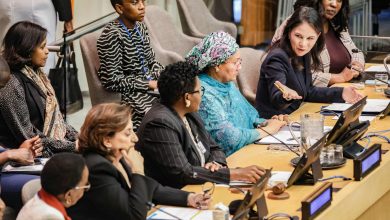
Stakeholders in peacebuilding and development are being urged to step up their support for societal healing and resilience, with officials stressing that lasting peace and social cohesion remain essential foundations for sustainable development. The call was made on Thursday, 4 December 2025, during a stakeholder engagement dialogue in Kigali, hosted by the Ministry of National Unity and Civic Engagement (MINUBUMWE) in partnership with Interpeace, an international peacebuilding organization.
During the meeting, MINUBUMWE presented the Rwanda Unity and Reconciliation Barometer 2025, which shows continued progress in the country’s post-genocide recovery. According to the findings, the national level of unity and reconciliation has reached 95.3%, an increase of 0.6 percentage points since 2020.
For the first time, the barometer included resilience as a foundational pillar, which scored 90.8%, reflecting strengthened social cohesion across the country. The study gathered data from 12,300 respondents representing various sectors, professions, religions, age groups, and genders.
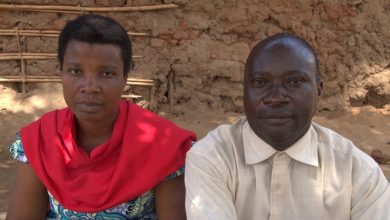
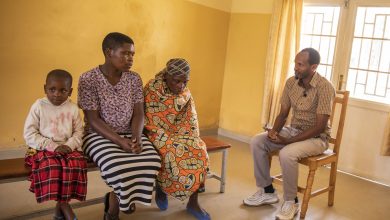
Despite the overall progress, the report highlights persistent challenges, especially among Genocide survivors. It notes that survivors continue to face a high prevalence of trauma and related mental health conditions. Nearly half (45.1%) of respondents believe emotional wounds from the 1994 Genocide against the Tutsi remain unhealed, particularly among survivors.
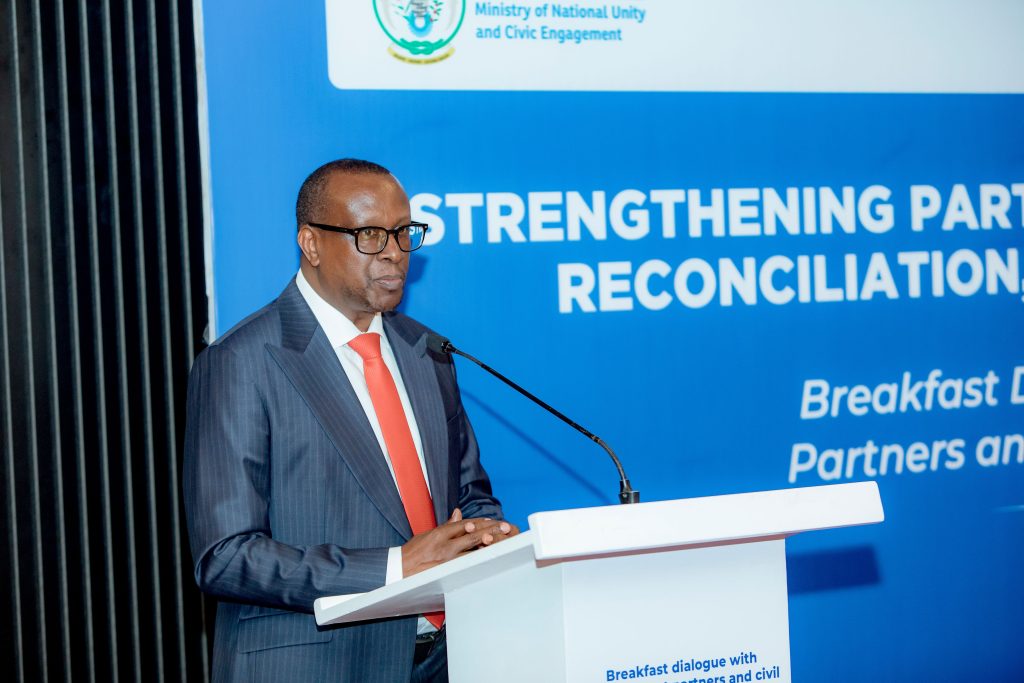
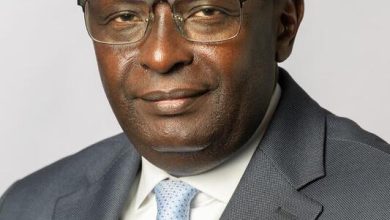
These difficulties are compounded by inadequate housing and socioeconomic hardships. Minister of National Unity and Civic Engagement Dr. Jean-Damascène Bizimana expressed concern about the poor condition of many survivors’ homes, noting that a large proportion were built shortly after the genocide and have deteriorated over time. MINUBUMWE estimates that more than 30,000 houses nationwide are in deplorable condition and require renovation.
Calling for greater partnership, Dr. Bizimana said, “The government has been working alone on monitoring their social, economic, education and mental well-being conditions, and we would welcome a partnership on this matter.”
The barometer also identifies Rwanda’s youth as a key group requiring focused interventions. Minister Bizimana warned of the growing influence of social media platforms that distort Rwanda’s history and spread misinformation, particularly affecting the younger generation.
He emphasized the need to expand peace education and healing initiatives that engage young people—both descendants of survivors and descendants of perpetrators—who continue to experience the intergenerational impacts of the genocide.
“I would like to recall that 65.3% of the Rwandan population is young, and many are experiencing the consequences of the genocide,” he said. “If we are to enhance healing and resilience, we need to put more efforts into this category of the population and develop more community-based programmes that support them.”
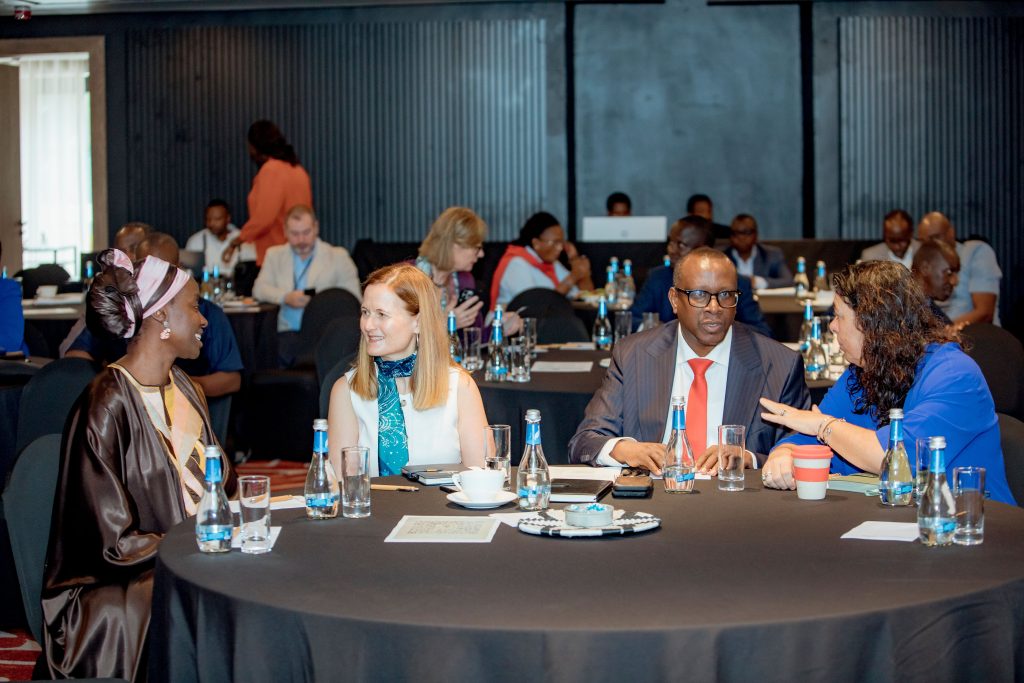
Participants in the dialogue commended the government’s efforts to strengthen resilience among Rwandans and pledged continued collaboration with MINUBUMWE and other institutions working in the areas of healing, reconciliation, resilience, and development.
“We are proud to accompany the journey of healing in both community and correctional facilities. We take note of the challenges you raised and look forward to continuing the discussion on how we can collaborate,” said Belen Calvo Uyarra, Ambassador of the European Union to Rwanda.

2 Comments