
Special Reports
Changing rainfall patterns are significantly amplifying conflict risks worldwide – NEW REPORT

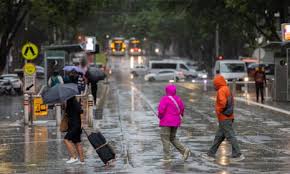
New research from the Institute for Economics & Peace reveals that changing rainfall patterns are significantly amplifying conflict risks worldwide. The 2025 Ecological Threat Report (ETR), finds conflict death rates are substantially higher in areas where rainfall is concentrating into fewer months, compared to regions where rain is spreading more evenly throughout the year. This sixth edition of the ETR is the first to include a multi-year time series (2019-2024), enabling a clearer view of year-on-year volatility alongside persistent trends.
- On average in areas where wet and dry seasons are becoming more extreme, there are four times as many conflict deaths as areas where it has decreased.
- In 2024, natural hazards triggered 45 million short-term internal displacements across 163 countries, the highest figure since at least 2008.
- Western Brazil, including parts of the Amazon, has recorded some of the world’s sharpest increases in ecological threat levels. Temperatures have risen at twice the global rate, triggering drought and wildfires.
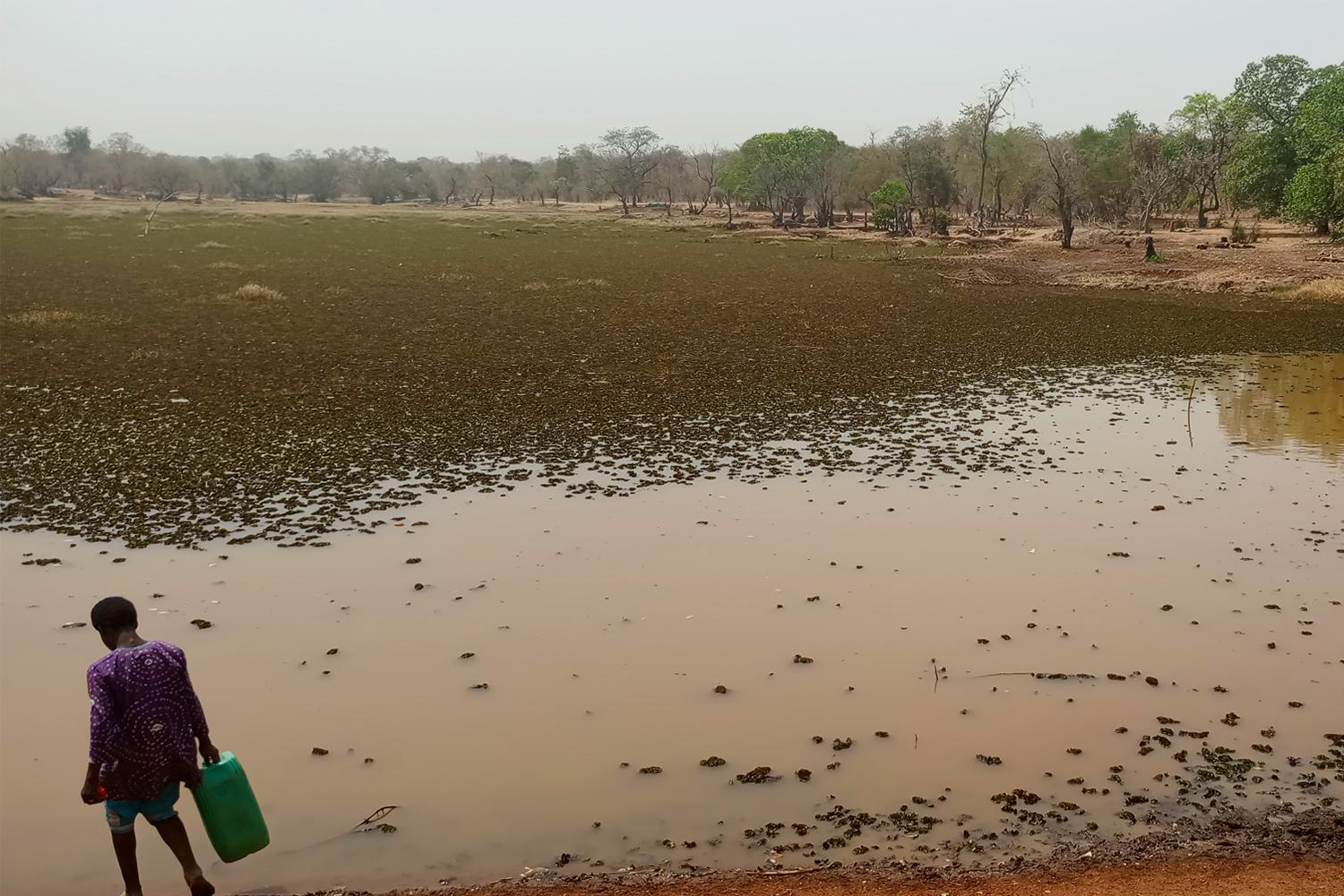
- Sub-Saharan Africa faces the world’s most severe ecological pressures, with Niger registering the worst ETR score.
- Central and Western Europe recorded substantial overall improvements, in part representing a return to normalcy following Europe’s unusually dry climatic conditions in 2019.
- Despite fears of looming water wars, there have been no interstate conflicts fought exclusively over water in the modern era. In the second half of the 20th century, at least 157 freshwater treaties have been signed, offering models for interstate cooperation.
- This cooperative approach to water somewhat mirrors nuclear deterrence since the Second World War. In both cases, the very threat of catastrophic destruction has created pragmatic cooperation. The destruction of water supply can lead to societal collapse.
Download the Ecological Threat Report 2025 press release.