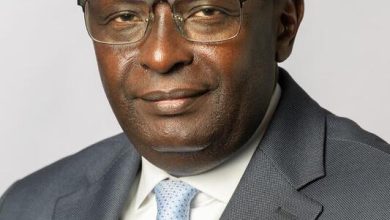


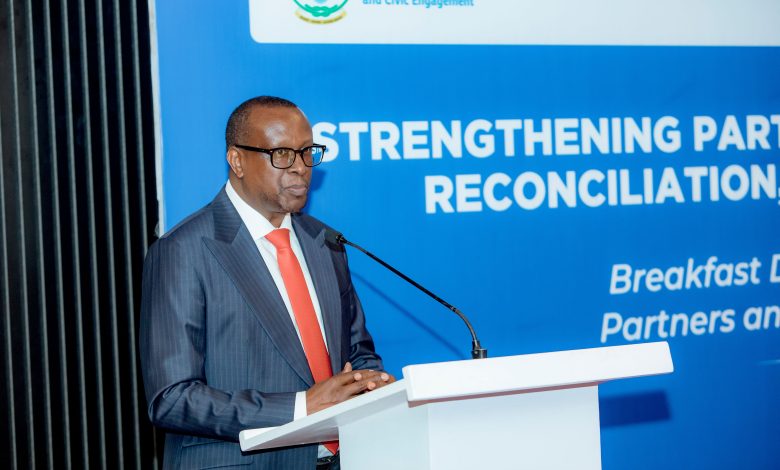
Rwanda’s Minister of National Unity and Civic Engagement has dismissed allegations by some international human rights organisations and analysts who claim the country manipulates data to present overly positive levels of unity and reconciliation.
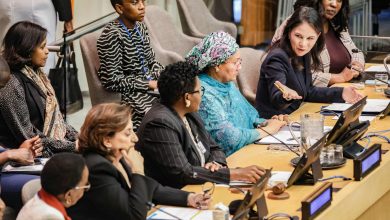
Dr. Jean Damascène Bizimana made the remarks last week during a stakeholder dialogue held in Kigali. The meeting, organised by the ministry in partnership with Interpeace, brought together experts, Civil Society, international organisations, diplomatic corps and partners to review achievements, discuss policy priorities, and explore ways to strengthen collaboration in unity, reconciliation, and community resilience.
He recalled being confronted with similar questions abroad.
“Someone asked me, ‘Don’t you inflate the figures to hide problems and portray only a positive image of the country?’” Dr. Bizimana said. “If we manipulated figures, we would be lying to ourselves. We need to see the reality in order to respond effectively and find solutions adapted to the concrete situation. Cooking numbers helps no one.”
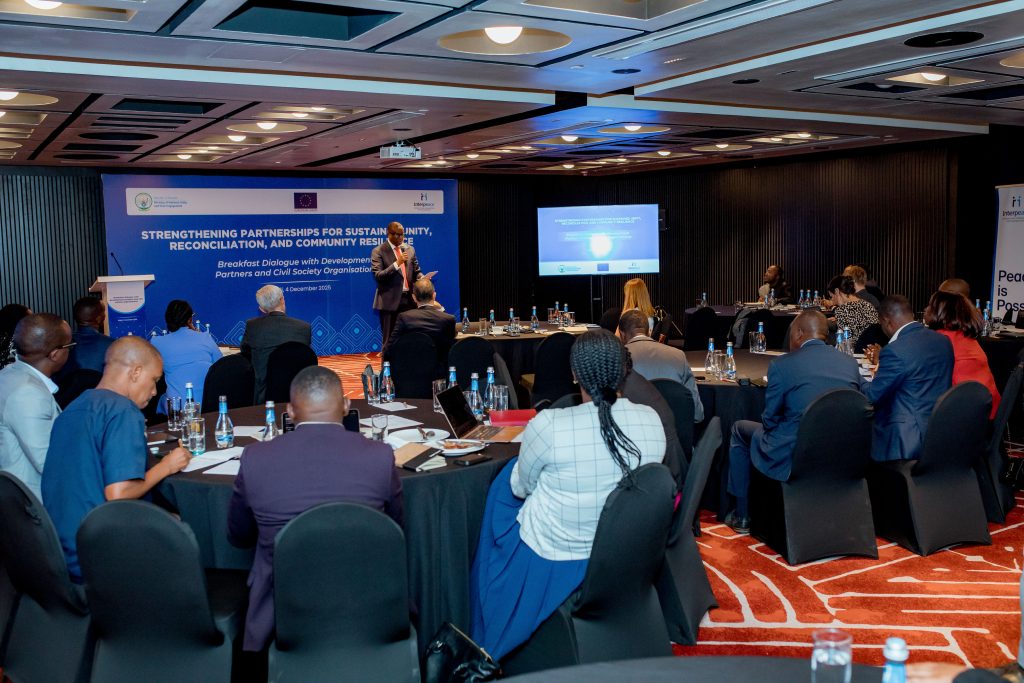
His remarks followed the release of the Rwanda Unity and Reconciliation Barometer 2025, which reports continued progress in the country’s post-genocide recovery. The study gathered data from 12,300 respondents across sectors, professions, religions, age groups, and genders.
According to the findings, national unity and reconciliation stand at 95.3%, up 0.6 percentage points from 2020.
The Barometer outlines how Rwandans perceive unity, shared identity, and social cohesion. Key indicators include: unity 95.6%, reconciliation 95%, heroism and patriotism 98.7%, Rwandan traditions, beliefs, and taboos 97.9%, shared ancestry:96.8%, role of Rwandan values in preserving unity 95.9%, impact of the Genocide against the Tutsi on damaging unity 92.6%, social cohesion 98.5%, inclusion and freedom in society 95.9%, participation in cooperatives and savings groups across backgrounds 94%, equal rights for all Rwandans 92%, as well as shared understanding of history and a common vision for the future 90.6%.
While the government highlights the results as evidence of steady progress, some international experts and rights groups continue to question the findings, arguing that the figures do not fully reflect realities on the ground.
Also read: Actors Urged to Strengthen Support for Societal Healing and Resilience
This year’s Barometer introduced resilience as a core pillar for the first time, scoring 90.8%, a reflection of what researchers describe as strengthened social cohesion nationwide.
Despite the overall progress, the report highlights persistent challenges, especially among Genocide survivors. It notes that survivors continue to face a high prevalence of trauma and related mental health conditions. Nearly half (45.1%) of respondents believe emotional wounds from the 1994 Genocide against the Tutsi remain unhealed, particularly among survivors.
MINUBUMWE maintains that transparent data collection remains essential to addressing remaining challenges. With the Barometer revealing both progress and areas for improvement, the conversation around unity and reconciliation in Rwanda is likely to remain central to policy discussions in the years ahead.