


Since the outbreak of the First Congo War in 1996–1997, the Democratic Republic of Congo (DRC) has signed at least 12 peace agreements over a span of 26 years. Yet despite these repeated diplomatic efforts, the mineral-rich country remains trapped in cycles of violence and insecurity, particularly in its eastern provinces.
For more than two decades, Congolese authorities and regional and international partners have multiplied initiatives aimed at ending armed conflict. These efforts have produced a series of major agreements, negotiated across Africa, the Middle East, and the West. However, stability has remained elusive.
An examination by The Peace Today traces the succession of peace accords intended to restore calm to the DRC:
- 10 July 1999: Lusaka Accord, signed in Zambia
- April 2002: Sun City Accord, South Africa
- July 2002: Pretoria Accord, South Africa
- September 2002: Luanda Accord, Angola
- December 2002: Global and Inclusive Agreement
- 15 December 2006: Nairobi Covenant, Kenya
- 23 January 2008: Goma Accord, Democratic Republic of Congo
- 23 March 2009: March 23 Agreement
- 24 February 2013: Addis Ababa Framework Agreement, Ethiopia
- April 2013: CNDP–M23 Agreement (left unfinished)
- July 2025: Doha Agreement, Qatar
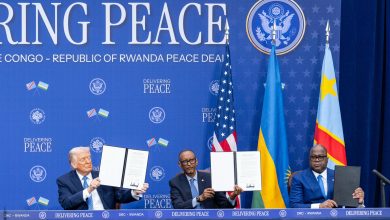
- 4 December 2025: Washington Accord, United States
Despite these accords, armed groups continue to proliferate, particularly in eastern Congo, where competition over land, identity, and control of natural resources fuels persistent violence. Various sources estimate more 100 armed groups operating in the eastern DRC, with estimates ranging from over 120 militias to potentially hundreds when including smaller factions and criminal gangs, making the region a complex geopolitical hotspot.
The failure to fully implement agreements, combined with regional interference and weak state institutions, has undermined many of the deals before they could take root.
The human cost has been devastating. Hundreds of thousands of Congolese have been forced to flee their homes, seeking refuge in neighboring countries, while countless civilians have been killed or injured in ongoing clashes.
As the DRC marks more than three decades of conflict since the mid-1990s, a pressing question remains unanswered: when—and how—will one of Africa’s longest-running wars finally come to an end?