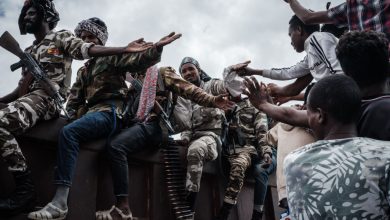


The recent escalation of fighting in several territories of South Kivu province in the Democratic Republic of the Congo (DRC) has resulted in dozens of people being wounded. Between the 2nd and 11th December, almost 100 people with weapons-related injuries were admitted to Uvira General Referral Hospital (HGR), which is supported by the International Committee of the Red Cross (ICRC).
“I was quietly at home when suddenly a shell fell nearby as I was carrying my child on my back. A piece of shrapnel hit me. Believing that I was the only one who had been hit, I fell down. That’s when I realised that the child had been hit on my back and killed instantly,” says Mapenzi Maria, who was evacuated from Sange, a town 40 kilometres from Uvira.
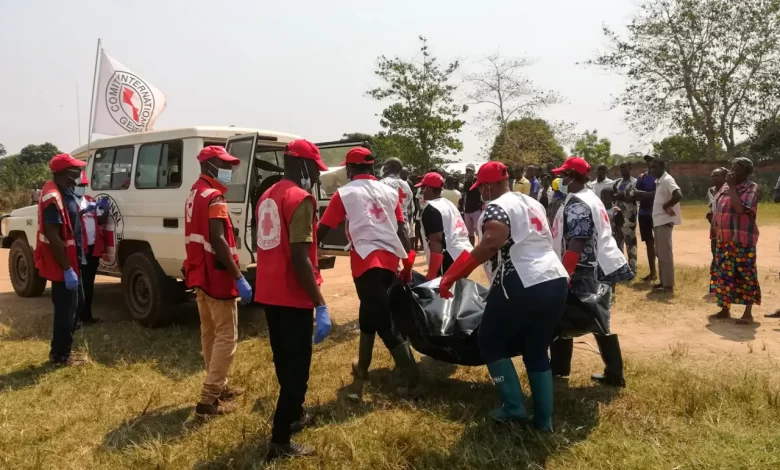
Over the past few days, the ICRC, in collaboration with the DRC Red Cross, has facilitated the evacuation to Uvira hospital of 26 wounded people, including women and children, from various combat zones. However, the ICRC fears that other people who were wounded will not be able to access adequate care because of the ongoing fighting and the difficulty of crossing the front lines to reach health facilities in areas where few remain operational due to a lack of essential medicines and staff. For the wounded and sick, swift access to medical care is a matter of life and death.
“The humanitarian situation in the Uvira area remains worrying. It is characterised by massive population displacement caused by the intensification of armed violence observed in recent days, but also by the dysfunction of essential services such as water supply, electricity supply and, above all, the inaccessibility of healthcare due to the deteriorating security situation,” says Djibril Mamadou Diallo, head of the ICRC office in Uvira.
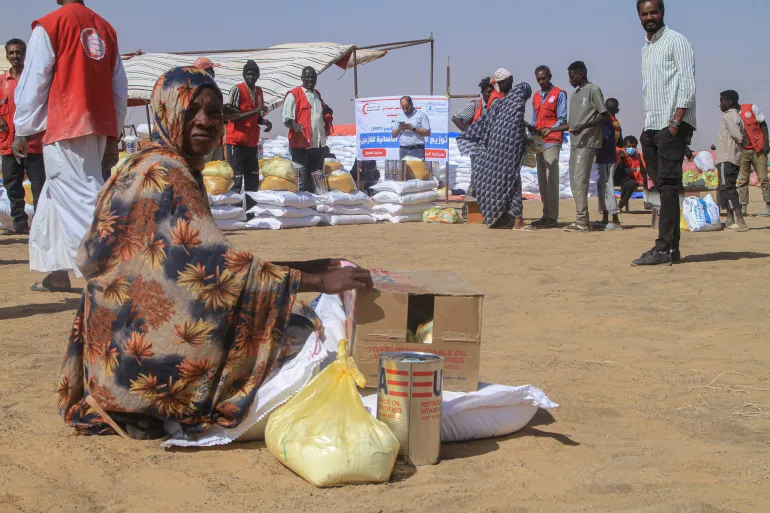
The ICRC is also urgently deploying an additional surgical team to deal with the influx of wounded people. Essential medicines and first aid kits were also provided to HGR Uvira, as well as 1,000 litres of fuel to run the hospital’s generators in the event of a power cut.
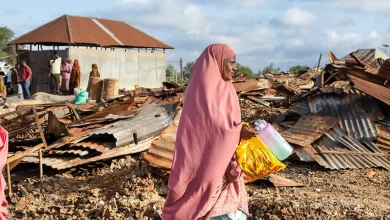
Due to the fighting, families, women, children and the elderly, who were already living in precarious conditions, are once again being displaced. Many have had to give up everything, including not just their property and livelihoods, but also their hopes for security and peace. The situation is further exacerbated by the fact that humanitarian actors do not have the capacity to reach large parts of these populations and provide them with assistance due to ongoing fighting.
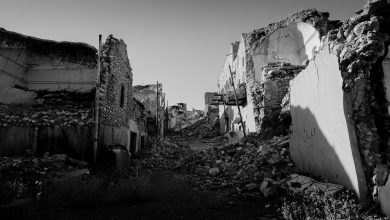
The ICRC urgently calls on all parties to protect civilian populations and preserve infrastructure essential for the survival of these affected communities, as well as to facilitate access to health care for the wounded.
Source: ICRC