
Can Social Media and AI-driven Tools Bridge the Gap in Youth, Peace and Security Agenda?

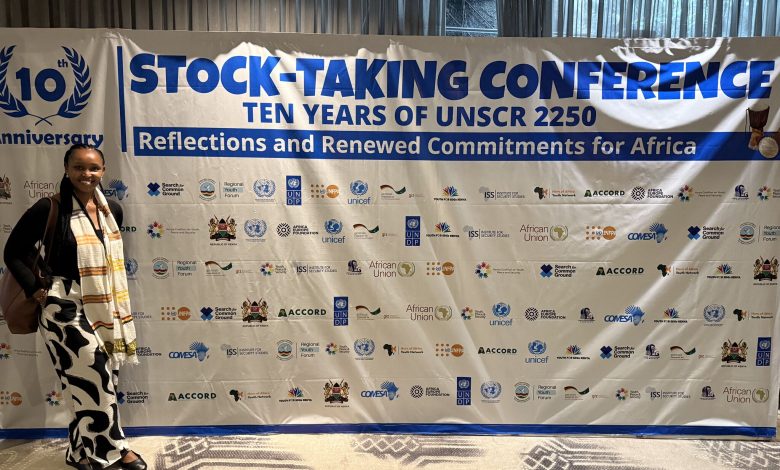
Last week, I attended the 10-Year Stocktaking Conference of the Youth, Peace and Security (YPS) Agenda under UNSCR 2250. The convening provided a critical space to reflect on the past decade of the agenda, assess where we are today, and explore how we can renew and forge pathways for the next decade.
Discussions focused on how the YPS agenda has shaped youth participation in peace and security processes at the international, regional, national, and local levels, with particular emphasis on Africa’s continental framework. The conversations highlighted both progress made and the persistent gaps in translating commitments into meaningful and sustained youth engagement.
A key takeaway from shared experiences was the growing role of social media and AI-driven tools in advancing YPS advocacy. These platforms are increasingly enabling young people to engage with the agenda in more accessible and innovative ways bridging intergenerational gaps, reducing the rural–urban divide, and amplifying collective youth voices in peace and security discourse.
As we look toward the next decade of YPS, the challenge and opportunity lie in harnessing these tools strategically, strengthening continental and regional frameworks, and ensuring that youth participation moves beyond consultation toward real influence and co-leadership in peace and security decision-making.
The writer is Pauline Ndiritu, the Programme Development and Youth Peace Mediation Programme Officer at Interpeace