
Why Family Visits Matter for Effective Rehabilitation and Reintegration of Inmates in Rwanda

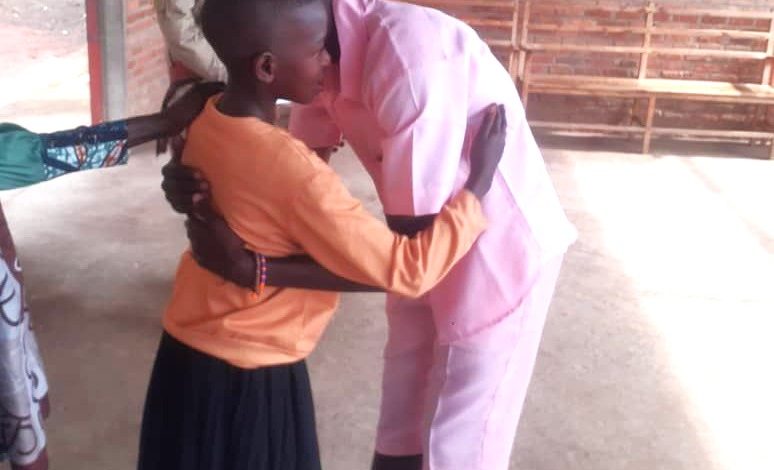
For 20 children, Sunday’s journey to Rubavu Correctional Facility located in western Rwanda, was more than a Christmas outing. It was a rare chance to reconnect with parents they had not seen for years, a moment many families say is increasingly difficult to come by in Rwanda’s correctional system, with long-term consequences that extend well beyond prison walls.
On Sunday, 21 December 2025, Prison Fellowship Rwanda, through its Child’s Journey (TCJ) programme, facilitated a special family visit that brought together 20 children and 13 incarcerated parents. For several families, it marked the first reunion in years.
One father said he last saw his daughter, Ineza Naome, when she was just two years old. She is now ten. Witnesses described their reunion as deeply emotional, underscoring the cost of prolonged separation for both children and parents.
Parents who took part described the visit as the most meaningful Christmas and New Year gift they could receive. Beyond the emotional relief, many said the experience strengthened their commitment to rehabilitation, renewed their sense of parental responsibility and motivated them to prepare for peaceful reintegration into society after release.
“These moments remind us why we must change,” one parent said during the visit, according to organisers. “They give us hope that our families can still accept us.”
In Rwanda, limited family visits for incarcerated people have become a growing concern among practitioners working on reconciliation, mental health and post-genocide recovery.
Experts note that prolonged separation between parents and children can perpetuate the intergenerational transmission of trauma, particularly in a society still grappling with the legacies of the 1994 Genocide against the Tutsi. Children who grow up without contact with incarcerated parents, in absence of truth about the crimes of their parents, often inherit unresolved pain, shame and silence, which can shape identity, trust and family cohesion long into adulthood.
“Family separation does not happen in a vacuum,” said a Kigali-based social worker familiar with prison reintegration programmes. “When contact is lost, children create their own narratives about why a parent is absent, especially when the rest of the family doesn’t provide information, and those narratives often carry fear, anger or stigma.”
From separation to rejection
The impact does not end when sentences are served. According to peacebuilding and civil society organisations working with current and former inmates, lack of sustained family contact during incarceration is among major factors behind family rejection and conflict after release.
Former prisoners frequently return home to families who no longer recognise them emotionally or socially. Children may feel abandoned, spouses may have rebuilt lives without them, and extended families may resist reconciliation, particularly in communities where genocide-related trauma remains unresolved.
“When families are not prepared during incarceration, reintegration becomes a shock,” said a rehabilitation specialist who works with released inmates. “That shock often turns into rejection, conflict or renewed isolation, increasing the risk of reoffending or long-term marginalisation.”
In Rwanda’s post-genocide context, such breakdowns can reopen old wounds, reinforcing cycles of trauma that pass silently from one generation to the next.
Programmes like The Child’s Journeyaim to interrupt that cycle. By facilitating child–parent contact in a controlled and supportive environment, organisers say they help preserve family bonds, humanise incarcerated parents and reduce the emotional distance that often hardens over time.
Research across post-conflict societies suggests that family-centred prison programmes can significantly improve rehabilitation outcomes, mental well-being and post-release stability, particularly where historical trauma intersects with incarceration.
Parents at Rubavu echoed this sentiment, saying the visit reminded them of their responsibilities beyond prison and strengthened their resolve to contribute positively to society after release.
Prison Fellowship Rwanda expressed gratitude to the Rwanda Correctional Services (RCS), and particularly Rubavu Correctional Facility, for enabling the visit.
As Rwanda continues to navigate the long-term social consequences of genocide, practitioners argue that addressing incarceration-related family separation must be part of broader efforts to promote reconciliation, social cohesion and community resilience.
For the children who walked through Rubavu’s gates on Sunday, the visit did not erase years of absence. But for a few hours, it restored something essential, connection, recognition and the possibility of healing across generations.