 English
 Kinyarwanda
A Push Against Hate Speech in Kenya Through Sports and Dialogue
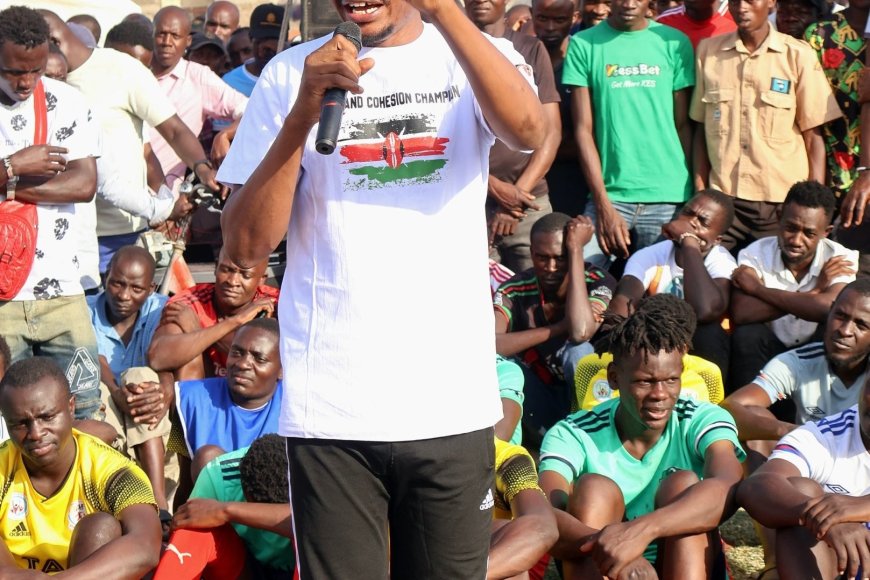
On 25 January 2026, at Nairobi’s Jacaranda Grounds, an unusual but powerful scene unfolded. What began as a court directive evolved into a national conversation on peace, accountability, and the shared responsibility of fighting hate speech, both online and offline.
Mumias East Member of Parliament, Hon. Peter Salasya, officially launched a 14-day nationwide peace and cohesion campaign through a peace football match and dialogue. This followed a hate speech case linked to his social media use. Drawing over 1,000 participants, mostly youth, the forum demonstrated the growing appetite for dialogue and responsible civic engagement.
“This journey is about humility and sincerity,” Hon. Salasya stated. “I take responsibility for my words, because words can either heal a nation or tear it apart. I call upon political leaders to seek electoral support through issue-based campaigns rather than exploiting tribal or ethnic divisions.” His remarks reflected a broader shift from punitive justice to restorative accountability, enabled through collaboration between the Judiciary, the National Cohesion and Integration Commission (NCIC), the Office of the Director of Public Prosecutions, and grassroots civic platforms such as Jacaranda Bunge la Mwananchi.
The campaign underscored the dangers of inflammatory rhetoric in an increasingly digital society. “Peace is not silence,” Salasya emphasised. “Peace is a conscious choice, to choose dialogue over destruction, wisdom over anger.” He warned that unchecked online speech often spills into real-world violence, urging citizens to verify information and reject divisive narratives.
NCIC’s involvement highlighted the importance of institutional coordination in preventing conflict, particularly ahead of the 2027 General Elections and beyond. Through legal oversight, civic education, and community engagement, institutions are reinforcing constitutional values while empowering citizens, especially youth, to become peace ambassadors.
“Social media can unite us or divide us; the choice is ours,” Salasya noted. “Every post, every share, is a moral decision.” Drawing from his personal experiences during visits to Rwanda, Tanzania, and Ethiopia, Salasya shared reflections on how deliberate efforts toward cohesion, discipline, and national unity have contributed to peace and stability in those countries. He urged Kenyans to emulate these examples.
As Kenya navigates a politically sensitive period, the Jacaranda forum stood as a reminder that combating hate speech requires more than laws, it demands leadership, collaboration, and everyday choices rooted in respect, restraint, and shared nationhood.