 English
 Kinyarwanda
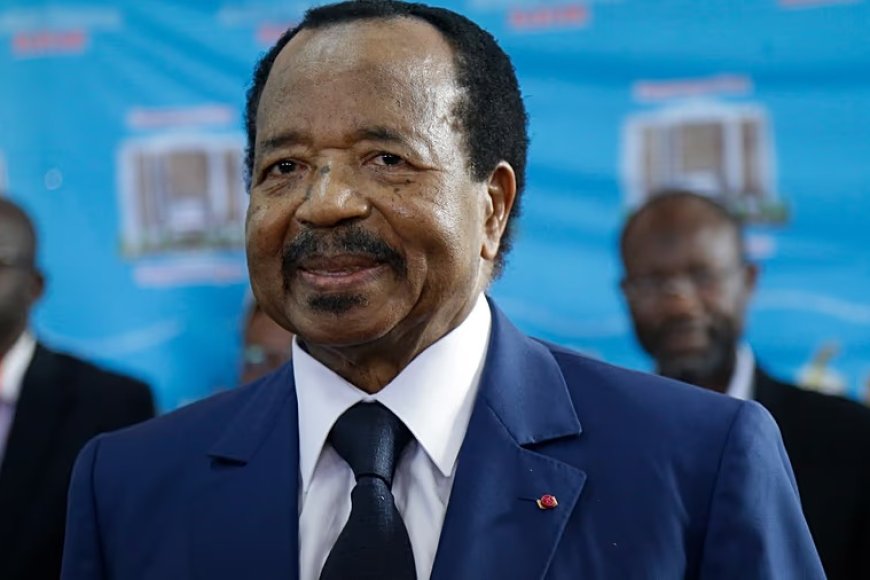
Biya's Absence Raises Questions; Cameroon Faces Criticism

Cameroonian President Paul Biya remained outside the country more than six weeks after leaving for Europe on Sunday, June 7, prompting criticism, health speculation, and rumours about Biya's health intensified public debate, calls from an opposition lawmaker to declare the presidency vacant.
Forty-four days after leaving Cameroon on Sunday, June 7, for what officials described as a short private stay in Europe, the 93-year-old head of state had not returned, fueling growing speculation about his condition.
The ruling Cameroon People's Democratic Movement (RDPC) rejected the claims, insisting the government remained fully functional.
In an editorial published on Wednesday, July 15, party official Christophe Mien Zok said, “the office is not vacant. The Lion (Biya) has not left.”
Since Biya's departure, official presidential social media accounts continued publishing messages in his name, including congratulations to French President Emmanuel Macron on France's National Day and to Montenegro's president on Monday, July 13. However, the president had not made a public appearance or issued a personal update.
The opposition Cameroon Democratic Union (UDC) said a prolonged absence did not automatically create a vacancy in the presidency, but argued that it raised legitimate questions about continuity in government and the exercise of presidential powers.
Several analysts said the Constitutional Council should act after 45 days, although no law set a specific limit on how long the president could remain outside the country.
With no vice president in office, the debate over presidential succession and institutional continuity continued to intensify.