 English
 Kinyarwanda

EU Africa Director Commends Rwanda’s Healing, 32 Years After Genocide

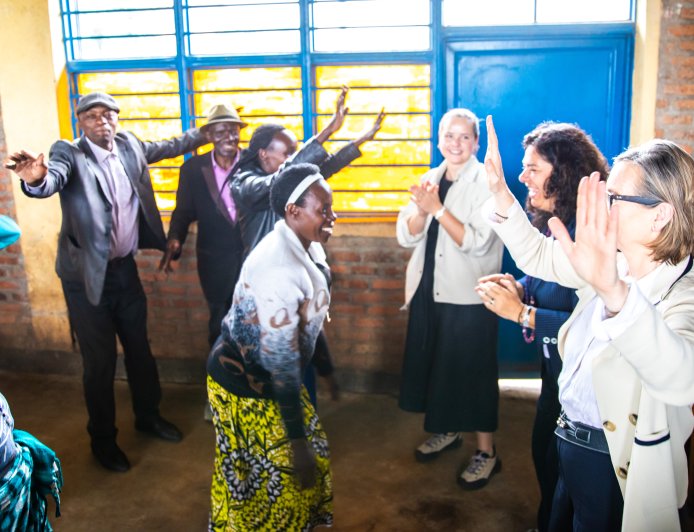
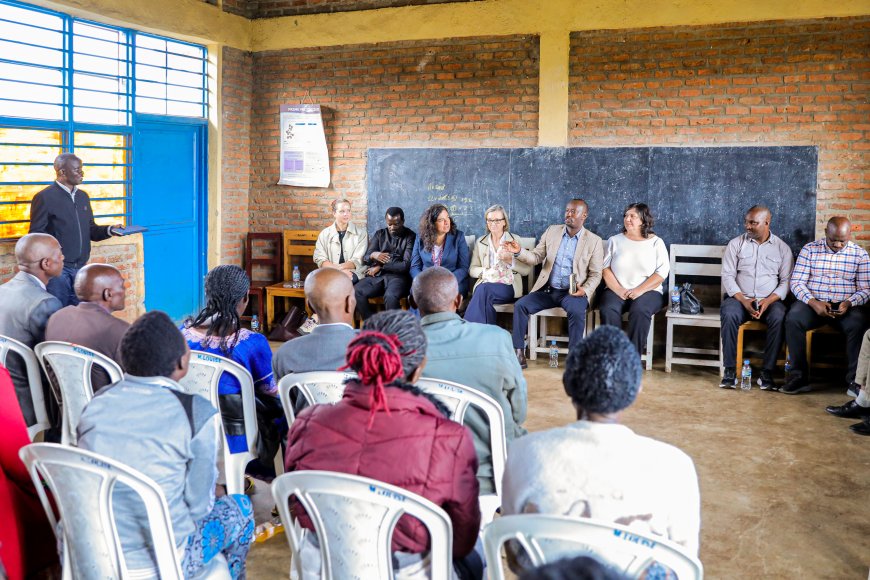
The Managing Director for Africa at the European External Action Service (EEAS), Patricia Pilar Llombart Cussac, last week praised what she described as a deeply human and tangible form of reconciliation during her visit to Rwanda.
In Musanze District, she met members of community healing groups who have taken part in the Mvurankuvure – Sociotherapy programme, a grassroots initiative that brings together genocide survivors, perpetrators, ex-combatants, returnees, and their descendants. Through guided dialogue, participants confront painful truths, rebuild trust, and gradually restore the social fabric once torn apart.
For Llombart Cussac, the experience was striking.
“People like you give full meaning to reconciliation and forgiveness,” she told participants after listening to their testimonies. “I don’t think there is a better way to describe it than what you are doing together.”
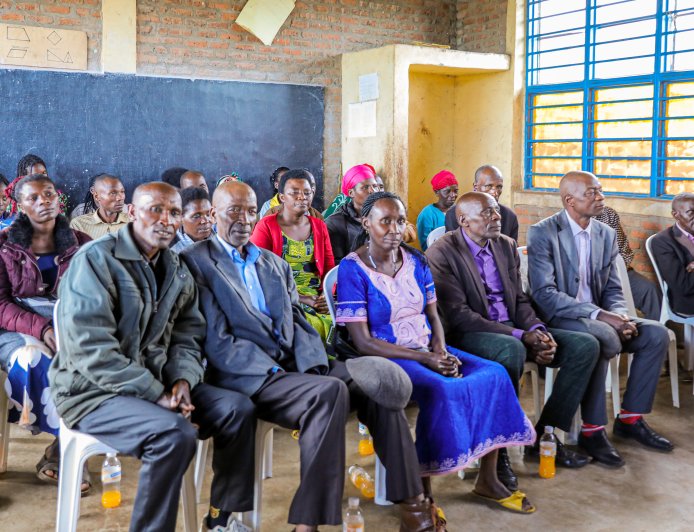
It was her first visit to Rwanda, but the stories she encountered left a lasting impression.
Ntuyenabo Jacques, a genocide survivor from Gataraga Sector, spoke quietly but firmly about the long shadow of trauma he carried. For years, he said, a neighbour mocked him as a “lonely survivor,” deepening his pain and isolation.
That changed when they both joined the same healing group.
“I began to feel emotionally liberated from my wounds,” Ntuyenabo said. “The man who used to persecute me asked for my forgiveness, and I granted it. That moment changed everything.”
Their relationship transformed so profoundly that Ntuyenabo later asked the same man to stand beside him during the legal recognition of his marriage.
Another participant, Uwase Christiane, described a more internal journey, one from anger to peace.
“I used to be filled with hatred. I was aggressive, always ready to fight,” she said. “But since Mvurankuvure came into my life, I have found peace.”
She smiled as she spoke, reflecting a change that went beyond words.
“As you can see, I am now a beautiful woman with bright, glowing skin. I don’t use any special lotion. I simply no longer carry problems inside me because I have forgiven.”
Behind these personal transformations is a structured process designed to create what facilitators call “safe spaces”, places where people who once feared or harmed each other can sit together again.
Jean Paul Mugiraneza, Senior Special Advisor to Interpeace’s President for Peacebuilding and Programme Development, said the programme’s strength lies in its simplicity and ownership.
“The process is not ours, it belongs to the government and the people,” he explained. “What matters most is the courage of participants who accept, with humility, to share their pain and listen to others.”
More than three decades after the 1994 Genocide against the Tutsi, such spaces remain essential. And as the programme continues to show results, discussions are underway to institutionalise and expand it nationwide.
The timing of Llombart Cussac’s visit during the Kwibuka commemoration period, gave added weight to her reflections.
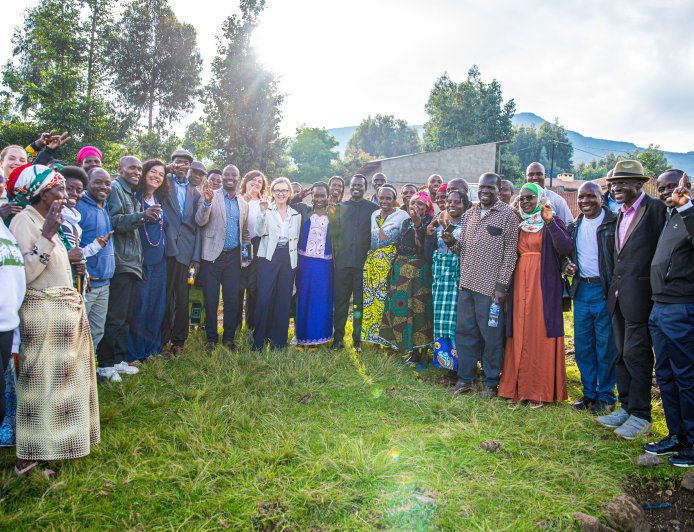
Rwanda’s journey, she said, offers lessons far beyond its borders.
“Rebuilding from the ashes of such horrific violence is something the world can learn from,” she noted. “We strongly believe in involving civilians in peacebuilding.”
She reaffirmed the European Union’s commitment as a long-term partner in Rwanda’s recovery, particularly in supporting initiatives that strengthen both communities and institutions.
During her visit, Llombart Cussac also held discussions with government officials, including Minister of State at the Ministry of Foreign Affairs and International Cooperation, Dr Usta Kayitesi, on deepening Rwanda–EU cooperation.
She later visited the Mutobo Demobilisation Centre, where she met recently repatriated FDLR combatants returning from the Democratic Republic of the Congo. Listening to their testimonies, she gained further insight into Rwanda’s ongoing efforts toward demobilisation and reintegration, another vital part of sustaining peace.