
Rwanda, DRC commit to ‘concrete steps’ to defuse border tensions

Rwanda, DRC commit to ‘concrete steps’ to defuse border tensions

Mar 19, 2026 - 14:44
 0

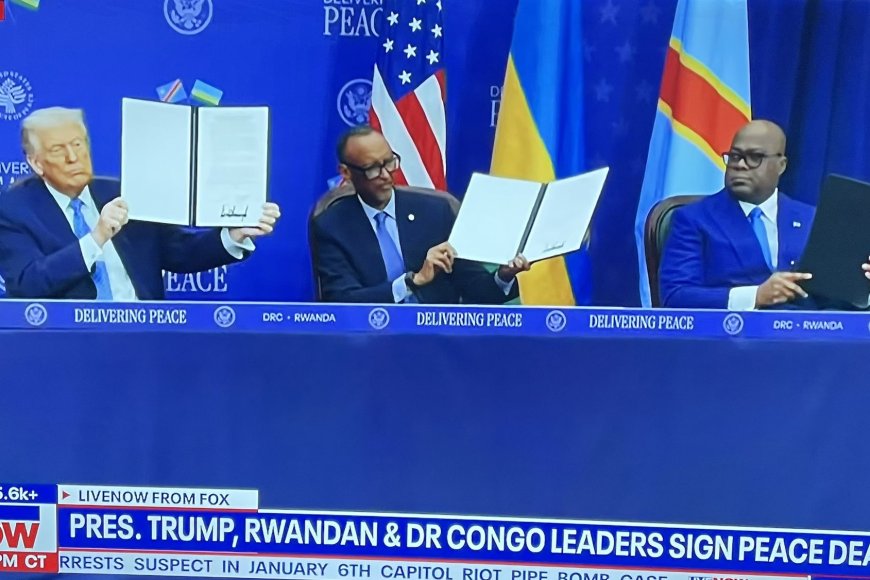
Rwanda and Democratic Republic of the Congo have agreed to take “concrete steps” to de-escalate their border conflict on Wednesday, following two-day meeting, U.S.-mediated negotiations.


The agreement marks a diplomatic breakthrough as both nations face increasing international pressure to end decades of regional instability. 

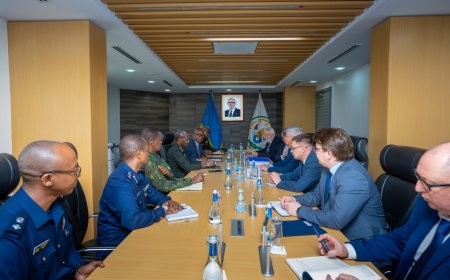
The meeting held on 17-18 March and attended by the governments of the USA, the DRC, and the Republic of Rwanda, saw both nations agree to coordinated actions designed to advance the “Washington Accords for Peace and Prosperity.”

According to a joint statement released by the U.S. State Department, the package includes a mutual pledge to respect each other’s sovereignty and territorial integrity.

It also establishes a timeline for Rwanda to disengage its forces and lift “defensive measures” in specific areas of Congolese territory, while the DRC has committed to intensified efforts to neutralise the FDLR.

“The DRC and Rwanda agreed to a series of coordinated steps to de-escalate tensions and advance progress on the ground,” the joint statement declared.

The agreement marks a turning point in a conflict that has displaced millions and fueled years of accusations between the two neighbors.

This progress is seen as vital for the stability of the Great Lakes region, where fighting between government forces and various rebel groups has often brought the two nations to the brink of open war.

Weeks ago, the U.S. Treasury Department imposed sanctions on the Rwanda Defence Force (RDF) and several senior officials, accusing Kigali of supporting M23 rebels, a charge Rwanda has denied, saying its military presence is a defensive measure against national security threats.  

The Washington meeting served as the first formal encounter between the parties since those sanctions were announced.

Central to the new roadmap is a “time-bound” plan for the DRC to address the presence of the FDLR. For years, Rwanda has justified its military posture by citing the threat posed by this group to involve in the 1994 genocide against Tutsi. 

By committing to “neutralize” these fighters, Kinshasa aims to remove the justification for any foreign military presence on its soil.

The agreement also places an emphasis on the “protection of all civilians,” who have lived through the violence in North Kivu and surrounding provinces.

International observers noted that while previous deals have failed, the inclusion of specific, “concrete steps” in this statement suggests an accountability for both sides.

“The DRC and Rwanda reaffirmed their commitments under the Washington Accords to achieve lasting peace and prosperity in the region,” the document stated.


Rwanda, DRC commit to ‘concrete steps’ to defuse border tensions

Mar 19, 2026 - 14:44
 0
Rwanda, DRC commit to ‘concrete steps’ to defuse border tensions

Rwanda and Democratic Republic of the Congo have agreed to take “concrete steps” to de-escalate their border conflict on Wednesday, following two-day meeting, U.S.-mediated negotiations.


The agreement marks a diplomatic breakthrough as both nations face increasing international pressure to end decades of regional instability. 

The meeting held on 17-18 March and attended by the governments of the USA, the DRC, and the Republic of Rwanda, saw both nations agree to coordinated actions designed to advance the “Washington Accords for Peace and Prosperity.”

According to a joint statement released by the U.S. State Department, the package includes a mutual pledge to respect each other’s sovereignty and territorial integrity.

It also establishes a timeline for Rwanda to disengage its forces and lift “defensive measures” in specific areas of Congolese territory, while the DRC has committed to intensified efforts to neutralise the FDLR.

“The DRC and Rwanda agreed to a series of coordinated steps to de-escalate tensions and advance progress on the ground,” the joint statement declared.

The agreement marks a turning point in a conflict that has displaced millions and fueled years of accusations between the two neighbors.

This progress is seen as vital for the stability of the Great Lakes region, where fighting between government forces and various rebel groups has often brought the two nations to the brink of open war.

Weeks ago, the U.S. Treasury Department imposed sanctions on the Rwanda Defence Force (RDF) and several senior officials, accusing Kigali of supporting M23 rebels, a charge Rwanda has denied, saying its military presence is a defensive measure against national security threats.  

The Washington meeting served as the first formal encounter between the parties since those sanctions were announced.

Central to the new roadmap is a “time-bound” plan for the DRC to address the presence of the FDLR. For years, Rwanda has justified its military posture by citing the threat posed by this group to involve in the 1994 genocide against Tutsi. 

By committing to “neutralize” these fighters, Kinshasa aims to remove the justification for any foreign military presence on its soil.

The agreement also places an emphasis on the “protection of all civilians,” who have lived through the violence in North Kivu and surrounding provinces.

International observers noted that while previous deals have failed, the inclusion of specific, “concrete steps” in this statement suggests an accountability for both sides.

“The DRC and Rwanda reaffirmed their commitments under the Washington Accords to achieve lasting peace and prosperity in the region,” the document stated.