 English
 Kinyarwanda

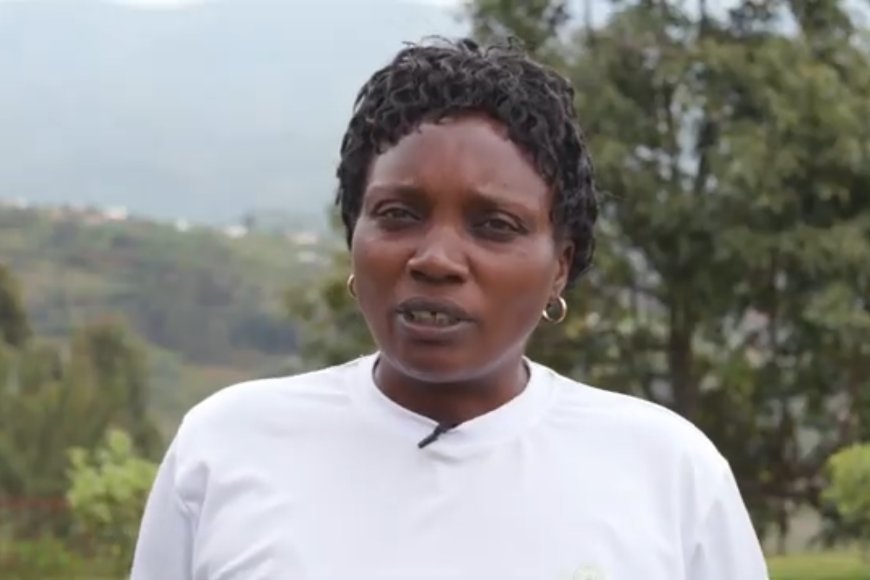
Rwanda - From the Forest to the Pulpit: A Former FDLR Fighter’s Reintegration Journey

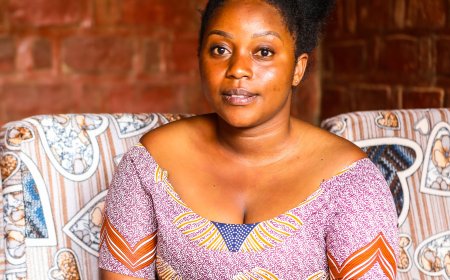
Once a corporal in a rebel group, FDLR operating in eastern Democratic Republic of Congo (DRC), Laurence Mujawayezu made a life-altering decision to return to her homeland, Rwanda. What followed was not rejection, but reintegration, leadership, and renewal. Today, she stands in a Rwandan church pulpit, preaching hope, reconciliation and resilience.
“I returned to Rwanda voluntarily in 2003 after years with the FDLR in the forests of eastern DRC. I was welcomed, supported, and given a second chance to live and serve my community.”
Laurence Mujawayezu speaks calmly about a chapter of her life that once unfolded in the dense jungles of eastern Democratic Republic of the Congo. Today, she is no longer defined by that past. She is a mother, a pastor, and a respected community leader in Ngororero District.
But her journey home was not easy.
A former corporal in the FDLR, Mujawayezu spent years in the forest, surrounded by fear, uncertainty and propaganda. In 2003, she made a decision that would change her life: she chose to return to Rwanda voluntarily.
Upon arrival, she was received and transferred to the Mutobo Demobilisation Center, where former combatants begin the process of laying down arms and rebuilding their lives.
“At Mutobo, I realised that life was possible again,” she recalls. “Even though fear was still inside me, I could see that Rwanda offered a future.”
The fear did not disappear overnight. Years in the bush had shaped her perceptions. But step by step, through counseling, civic education and reintegration support, she began to rebuild her confidence.
After completing the demobilisation process, Mujawayezu returned to her home area — formerly Kibirira Commune, now part of Muhororo Sector in Ngororero District. The reunion with her family was overwhelming. They had been told she was dead.
“When we saw each other, it felt unreal, as if we were seeing a ghost,” she says.
With support from the Rwanda Demobilisation and Reintegration Commission, she received assistance to help her restart civilian life. Beyond financial or material aid, she says what mattered most was the restoration of dignity and belonging.
That renewed trust soon opened an unexpected door.
Members of her community encouraged her to run for village leadership. Despite her past, or perhaps because of the transformation she embodied, they believed she could serve.
She was elected and went on to serve more than two consecutive terms, leading her village with inclusiveness and a focus on unity. Her tenure, she notes with pride, was marked by stability and cooperation.
Today, Mujawayezu serves as a pastor in the AEBER Church. Determined to deepen her knowledge, she pursued theological studies and earned a diploma. Her children are now in school, including her eldest, who studies at the University of Rwanda with state support, something she once could not have imagined while living in the forest.
Looking back, she speaks candidly about the misinformation that shaped her years away.
“We were misled,” she says. “We were told there was no peace in Rwanda and that the country belonged only to a few. In reality, we were the ones left behind, in mindset and in development.”
Her message today is directed at those who remain in armed groups across the border.
“Rwanda is our country. It is peaceful and welcoming. Let us come back and build it together.”
For Mujawayezu, reintegration was not merely about disarmament. It was about reclaiming identity, restoring trust and discovering purpose.
Her story stands as a powerful reminder that even after years of conflict, reconciliation is possible and that sometimes the most courageous journey is the one that leads back home.
Source: Rwanda Demobilisation and Reintegration Commission (RDRC)