 English
 Kinyarwanda

Rwanda: Over 1,800 Convicts to Be Released on Parole

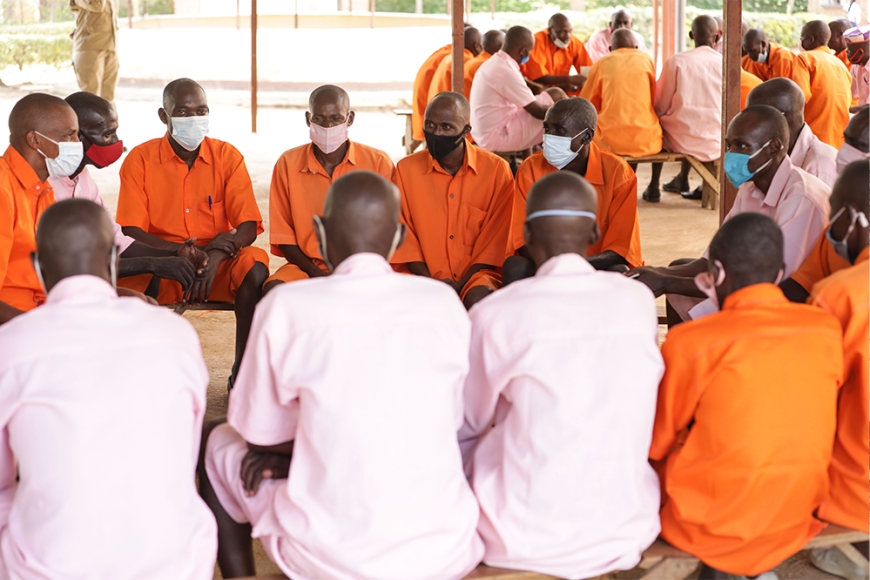
The Government of Rwanda has approved the release on parole of 1,847 convicts following a Cabinet meeting held on Wednesday, 4 March, according to an official communiqué.
The decision forms part of Rwanda’s legal framework that allows eligible inmates to serve part of their remaining sentence outside correctional facilities under specific conditions.
However, the Cabinet communiqué did not provide details on the offences committed by those eligible for release, nor did it publish the names of the convicts set to benefit from the measure. The list of beneficiaries is expected to be published later in the National Gazette.
Under Rwandan law governing criminal procedure, eligibility for parole depends on both the length of the sentence imposed and the portion of the sentence already served.
An inmate sentenced to a term not exceeding five years may be considered for parole after serving at least one quarter of the sentence. Those sentenced to more than five years must have served at least one third of their sentence.
For inmates serving life imprisonment, the law stipulates that they become eligible for parole after completing at least 15 years in detention.
The process of applying for parole requires inmates to submit a request to the Minister in charge of Justice through the Commissioner General of the Rwanda Correctional Service. In the case of inmates detained in military correctional facilities, the application is submitted to the Minister of Justice through the Minister of Defence.
Rwandan law also provides for the revocation of parole under certain circumstances. Upon request by the Public Prosecution, the Minister of Justice may revoke parole if the beneficiary commits another offence, engages in gross misconduct, or violates the conditions attached to the parole order.
Parole in Rwanda is intended to support the gradual reintegration of offenders into society while ensuring that public safety and legal accountability are maintained.
Tags:
-
 Nshimiyimana lldephonseUmubyeyi wacu imana image imigisha myinshi kubera urukundo akunda abanyarwanda