
Rwanda Positions Itself as a Continental Hub for Neuroscience and Mental Wellbeing

Rwanda Positions Itself as a Continental Hub for Neuroscience and Mental Wellbeing

Feb 6, 2026 - 10:23
 0

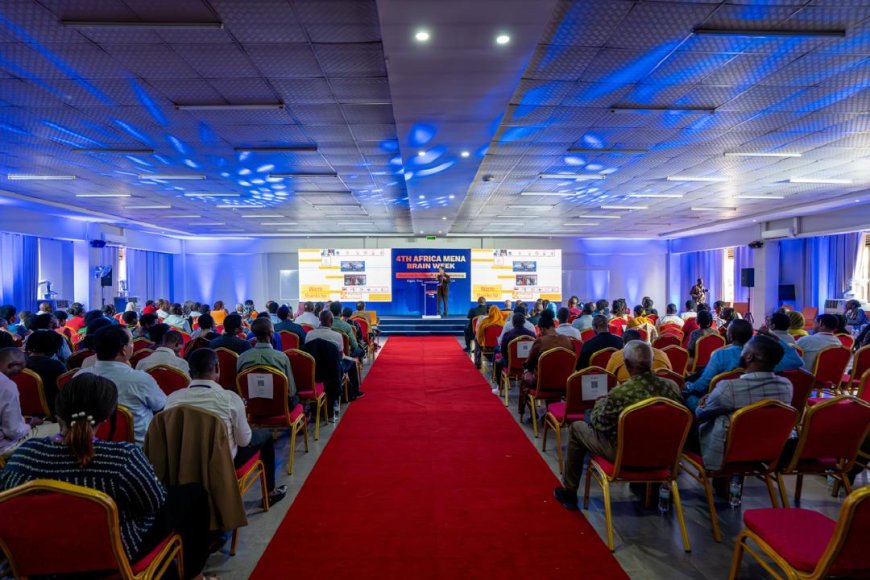
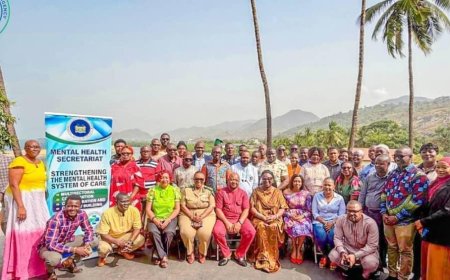
Rwanda has demonstrated his commendable capacity in advancing brain health through policy, research, innovation, and inclusive partnerships during the 4th African MENA Brain Week Conference, hosted by the University of Medical Sciences and Technology (UMST) Rwanda Campus from 5 – 8 February. The high-level neurology and brain health conference brought together experts, policymakers, researchers, advocates, and institutions from across Africa and the MENA region.


The conference considered Rwanda Biomedical Centre (RBC) as one of continental conversations on mental and brain health, highlighting how coordinated national systems, research-driven initiatives, and community-centered approaches can transform care outcomes.

The global evidence shows that one in four people will experience a mental health condition in their lifetime. Rwanda’s integrated model stood out as both timely and scalable to address such global burden.

The discussions focused on critical role of universities in shaping Africa’s scientific future. Participants highlighted the urgent need to empower young African researchers to lead knowledge production rather than depend on external expertise.

“Universities are the backbone of development. They drive research, innovation, and knowledge sharing. Biomedical science is advancing fast with today’s technology, and Africa must empower its young researchers to lead the way,” said Prof. Mamoun Homeida, a renowned biomedical researcher.

He further acknowledged the Government of Rwanda for creating an enabling ecosystem where institutions like UMST Rwanda and RBC collaborate seamlessly to link research with national health priorities.

Rwanda’s Commitment to Mental and Brain Health

The Rwanda Ministry of Health reaffirmed the country’s long-term commitment to advancing mental and brain health in light of Rwanda’s unique history shaped by the consequences of the Genocide against the Tutsi, particularly on mental health and social fabric.

“Rwanda remains deeply committed to mental and brain health. With the lasting impact of the Genocide against the Tutsi, we have centralized services, invested in innovation, and strengthened research partnerships to ensure quality care for all. RBC plays a central role in translating policy into action,” emphasized Prof. Darius Gishoma, Mental Health Division manager at the RBC.

He highlighted RBC’s leadership in coordinating mental health programs, data systems, and referral networks that ensure services reach both urban and rural populations.

Experts stressed that mental and brain health must be approached holistically—at personal, family, community, national, and global levels.

“One in four people will experience a mental health condition in their lifetime. Early diagnosis, prevention, and community involvement are not optional they are essential. Brain health must be personal, family-based, national, and global. This conference must deliver real solutions and real action,” one keynote speaker urged.

The Ministry of Health through RBC, continues to leverage digital technologies to strengthen referrals, patient tracking, and service integration across the country.

Through its National Strategy for Transformation (NST2), Rwanda has set clear priorities to expand its specialized workforce. Through coordinated efforts among concerned institutions, plans are underway to increase the number of neurologists and mental health professionals nationwide.

The goal is to build national capacity by training more neurologists and mental health specialists. By aligning research institutions, government policy, digital innovation, and grassroots advocacy, Rwanda is positioning itself as a center of excellence for brain health and neuroscience in Africa.
 

Rwanda Positions Itself as a Continental Hub for Neuroscience and Mental Wellbeing

Feb 6, 2026 - 10:23
 0
Rwanda Positions Itself as a Continental Hub for Neuroscience and Mental Wellbeing

Rwanda has demonstrated his commendable capacity in advancing brain health through policy, research, innovation, and inclusive partnerships during the 4th African MENA Brain Week Conference, hosted by the University of Medical Sciences and Technology (UMST) Rwanda Campus from 5 – 8 February. The high-level neurology and brain health conference brought together experts, policymakers, researchers, advocates, and institutions from across Africa and the MENA region.


The conference considered Rwanda Biomedical Centre (RBC) as one of continental conversations on mental and brain health, highlighting how coordinated national systems, research-driven initiatives, and community-centered approaches can transform care outcomes.

The global evidence shows that one in four people will experience a mental health condition in their lifetime. Rwanda’s integrated model stood out as both timely and scalable to address such global burden.

The discussions focused on critical role of universities in shaping Africa’s scientific future. Participants highlighted the urgent need to empower young African researchers to lead knowledge production rather than depend on external expertise.

“Universities are the backbone of development. They drive research, innovation, and knowledge sharing. Biomedical science is advancing fast with today’s technology, and Africa must empower its young researchers to lead the way,” said Prof. Mamoun Homeida, a renowned biomedical researcher.

He further acknowledged the Government of Rwanda for creating an enabling ecosystem where institutions like UMST Rwanda and RBC collaborate seamlessly to link research with national health priorities.

Rwanda’s Commitment to Mental and Brain Health

The Rwanda Ministry of Health reaffirmed the country’s long-term commitment to advancing mental and brain health in light of Rwanda’s unique history shaped by the consequences of the Genocide against the Tutsi, particularly on mental health and social fabric.

“Rwanda remains deeply committed to mental and brain health. With the lasting impact of the Genocide against the Tutsi, we have centralized services, invested in innovation, and strengthened research partnerships to ensure quality care for all. RBC plays a central role in translating policy into action,” emphasized Prof. Darius Gishoma, Mental Health Division manager at the RBC.

He highlighted RBC’s leadership in coordinating mental health programs, data systems, and referral networks that ensure services reach both urban and rural populations.

Experts stressed that mental and brain health must be approached holistically—at personal, family, community, national, and global levels.

“One in four people will experience a mental health condition in their lifetime. Early diagnosis, prevention, and community involvement are not optional they are essential. Brain health must be personal, family-based, national, and global. This conference must deliver real solutions and real action,” one keynote speaker urged.

The Ministry of Health through RBC, continues to leverage digital technologies to strengthen referrals, patient tracking, and service integration across the country.

Through its National Strategy for Transformation (NST2), Rwanda has set clear priorities to expand its specialized workforce. Through coordinated efforts among concerned institutions, plans are underway to increase the number of neurologists and mental health professionals nationwide.

The goal is to build national capacity by training more neurologists and mental health specialists. By aligning research institutions, government policy, digital innovation, and grassroots advocacy, Rwanda is positioning itself as a center of excellence for brain health and neuroscience in Africa.