
Rwanda Rejects U.S. Sanctions, Defends Security Role in Eastern Congo

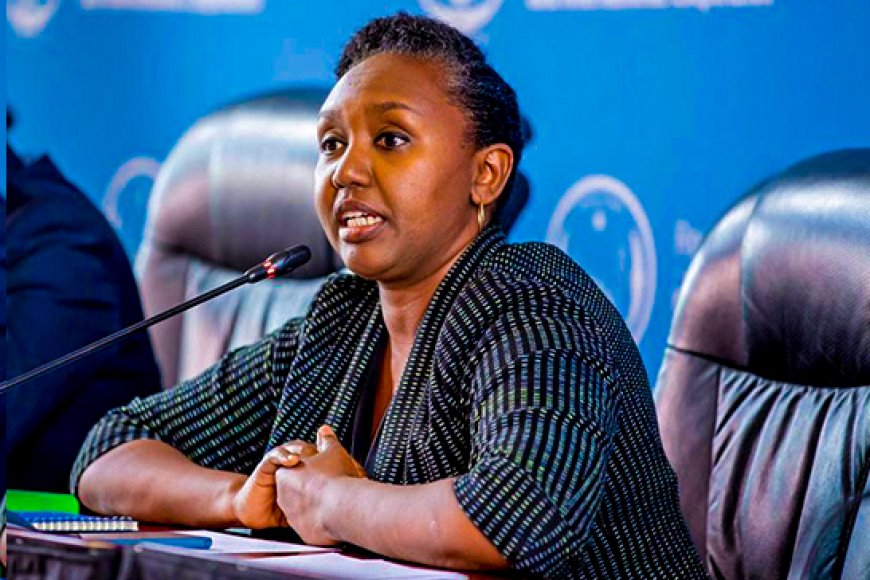
Yolande Makolo, the Spokesperson for the Government of Rwanda. Photo: IGIHE

Rwanda Rejects U.S. Sanctions, Defends Security Role in Eastern Congo

Mar 3, 2026 - 09:43
 0

Rwanda has firmly rejected sanctions imposed by the United States on its national army and four of its most senior commanders, calling the measures “unjust” and accusing Washington of misrepresenting the realities of the conflict in eastern Democratic Republic of the Congo.


In a statement issued Monday, 2 February Kigali said the sanctions unfairly target “only one party to the peace process” and distort the facts surrounding renewed violence across the border.

“The sanctions issued today by the United States unjustly targeting only one party to the peace process misrepresent the reality and distort the facts of the conflict in eastern Democratic Republic of Congo,” the government said.

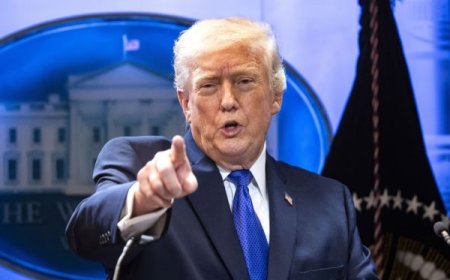
The United States announced sanctions against the Rwanda Defence Force (RDF) and four senior officers, accusing them of backing the M23 rebel movement, which Washington blames for fueling bloodshed and mass displacement in eastern Congo.

In a statement, the U.S. Department of the Treasury said its Office of Foreign Assets Control (OFAC) had designated the RDF for what it described as direct operational support to M23.

Those sanctioned include Chief of Defence Staff Gen. Mubarakh Muganga, Army Chief of Staff Maj. Gen. Vincent Nyakarundi, Maj. Gen. Ruki Karusisi, and Special Operations Force Commander Stanislas Gashugi.

Under the measures, any property or financial interests belonging to the RDF or the named officers within U.S. jurisdiction are frozen. U.S. individuals and companies are generally barred from engaging in transactions with them, and non-U.S. actors risk penalties if they facilitate dealings that violate American sanctions.

But Rwanda insists the measures ignore what it describes as ongoing security threats emanating from Congolese territory.

Kigali argues that the Congolese government has repeatedly violated ceasefire agreements through “consistent and indiscriminate drone attacks and ground offensives,” costing civilian lives and undermining fragile diplomatic efforts.

“Protecting our country is a badge of honour which the Rwanda Defence Force carries very proudly,” the statement said.

Rwanda maintains that eastern Congo remains home to hostile armed groups that pose a direct threat to its security, including the FDLR — a militia founded by elements responsible for the 1994 Genocide against the Tutsi — which Kigali says operates alongside the Congolese army (FARDC). Rwanda also accuses Kinshasa of collaborating with foreign mercenaries and state-backed ethnic militias known as Wazalendo.

According to Kigali, the Democratic Republic of the Congo committed under the Washington peace deal to an “irreversible and verifiable” end to state support for the FDLR and associated groups but has yet to take concrete steps to fulfill that pledge.

The sanctions come just days after U.S.-brokered talks in Washington between Congolese President Félix Tshisekedi and Rwandan President Paul Kagame, which culminated in the signing of the “Washington Accords.” The agreement was presented as a renewed attempt to calm tensions in a region scarred by decades of rebellion, proxy warfare and competition over mineral wealth.

Rwanda says it remains committed to that process. “Rwanda is fully committed to disengagement of its forces in tandem with the DRC implementing their obligations,” the statement said, emphasizing that progress must be mutual and verifiable.

Kigali also welcomed the resumption of the agreement’s implementation mechanisms, including the Joint Oversight Committee, and called for what it described as an “even-handed approach from all partners.”

Beyond security concerns, Rwanda stressed its continued commitment to the broader goals of the Washington Accords, including the Regional Economic Integration Framework, a pillar meant to shift the region from cycles of conflict toward shared prosperity.

For communities along the Rwanda–Congo border, the diplomatic standoff carries heavy consequences. Renewed fighting in eastern Congo has displaced thousands, deepened humanitarian suffering and reignited fears of regional escalation.

While Washington frames the sanctions as leverage to uphold peace commitments, Kigali views them as a one-sided move that risks undermining delicate negotiations.
 

Rwanda Rejects U.S. Sanctions, Defends Security Role in Eastern Congo

Mar 3, 2026 - 09:43
 0
Rwanda Rejects U.S. Sanctions, Defends Security Role in Eastern Congo
Yolande Makolo, the Spokesperson for the Government of Rwanda. Photo: IGIHE

Rwanda has firmly rejected sanctions imposed by the United States on its national army and four of its most senior commanders, calling the measures “unjust” and accusing Washington of misrepresenting the realities of the conflict in eastern Democratic Republic of the Congo.


In a statement issued Monday, 2 February Kigali said the sanctions unfairly target “only one party to the peace process” and distort the facts surrounding renewed violence across the border.

“The sanctions issued today by the United States unjustly targeting only one party to the peace process misrepresent the reality and distort the facts of the conflict in eastern Democratic Republic of Congo,” the government said.

The United States announced sanctions against the Rwanda Defence Force (RDF) and four senior officers, accusing them of backing the M23 rebel movement, which Washington blames for fueling bloodshed and mass displacement in eastern Congo.

In a statement, the U.S. Department of the Treasury said its Office of Foreign Assets Control (OFAC) had designated the RDF for what it described as direct operational support to M23.

Those sanctioned include Chief of Defence Staff Gen. Mubarakh Muganga, Army Chief of Staff Maj. Gen. Vincent Nyakarundi, Maj. Gen. Ruki Karusisi, and Special Operations Force Commander Stanislas Gashugi.

Under the measures, any property or financial interests belonging to the RDF or the named officers within U.S. jurisdiction are frozen. U.S. individuals and companies are generally barred from engaging in transactions with them, and non-U.S. actors risk penalties if they facilitate dealings that violate American sanctions.

But Rwanda insists the measures ignore what it describes as ongoing security threats emanating from Congolese territory.

Kigali argues that the Congolese government has repeatedly violated ceasefire agreements through “consistent and indiscriminate drone attacks and ground offensives,” costing civilian lives and undermining fragile diplomatic efforts.

“Protecting our country is a badge of honour which the Rwanda Defence Force carries very proudly,” the statement said.

Rwanda maintains that eastern Congo remains home to hostile armed groups that pose a direct threat to its security, including the FDLR — a militia founded by elements responsible for the 1994 Genocide against the Tutsi — which Kigali says operates alongside the Congolese army (FARDC). Rwanda also accuses Kinshasa of collaborating with foreign mercenaries and state-backed ethnic militias known as Wazalendo.

According to Kigali, the Democratic Republic of the Congo committed under the Washington peace deal to an “irreversible and verifiable” end to state support for the FDLR and associated groups but has yet to take concrete steps to fulfill that pledge.

The sanctions come just days after U.S.-brokered talks in Washington between Congolese President Félix Tshisekedi and Rwandan President Paul Kagame, which culminated in the signing of the “Washington Accords.” The agreement was presented as a renewed attempt to calm tensions in a region scarred by decades of rebellion, proxy warfare and competition over mineral wealth.

Rwanda says it remains committed to that process. “Rwanda is fully committed to disengagement of its forces in tandem with the DRC implementing their obligations,” the statement said, emphasizing that progress must be mutual and verifiable.

Kigali also welcomed the resumption of the agreement’s implementation mechanisms, including the Joint Oversight Committee, and called for what it described as an “even-handed approach from all partners.”

Beyond security concerns, Rwanda stressed its continued commitment to the broader goals of the Washington Accords, including the Regional Economic Integration Framework, a pillar meant to shift the region from cycles of conflict toward shared prosperity.

For communities along the Rwanda–Congo border, the diplomatic standoff carries heavy consequences. Renewed fighting in eastern Congo has displaced thousands, deepened humanitarian suffering and reignited fears of regional escalation.

While Washington frames the sanctions as leverage to uphold peace commitments, Kigali views them as a one-sided move that risks undermining delicate negotiations.