
Trump extends Iran ceasefire indefinitely as peace talks remain uncertain

Trump extends Iran ceasefire indefinitely as peace talks remain uncertain

Apr 22, 2026 - 12:07
 0

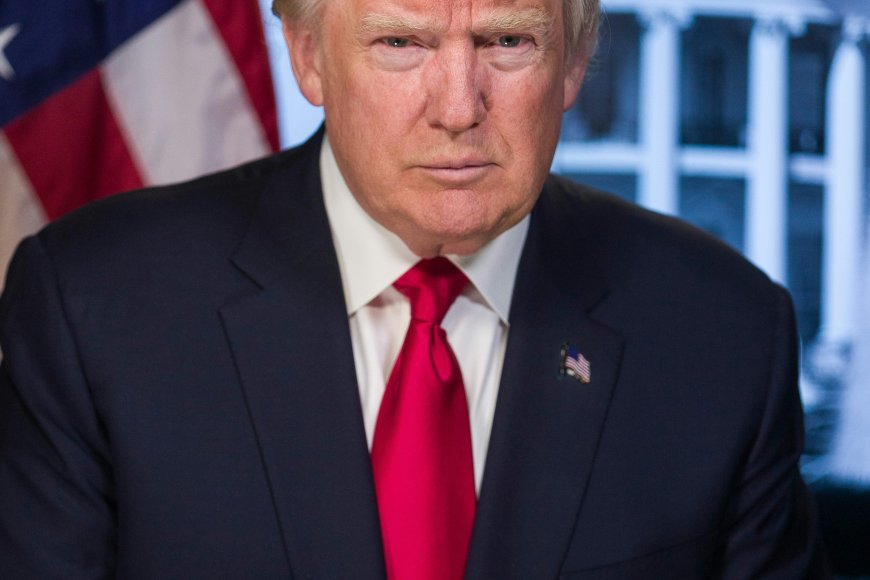
U.S. President Donald Trump announced Wednesday, April 22, he would indefinitely extend a ceasefire with Iran to allow for further peace talks in Pakistan, even as he vowed to maintain a naval blockade that Tehran considers an act of war.


The announcement follows two months of conflict between the U.S.-Israeli alliance and Iran that has killed over 5,000 civilians and disrupted global energy markets. While the extension aims to provide space for diplomacy, it remains unclear if Iran or Israel will formally agree to the pause.

Trump said in a statement on social media that the U.S. had agreed to a request by Pakistani mediators "to hold on attack on the country of Iran until such time as their leaders and representatives can come up with a unified proposal ... and discussions are concluded, one way or the other."

Despite the pause in aerial bombardments, Trump doubled down on the U.S. Navy’s blockade of Iranian trade. He stated on social media that lifting the maritime pressure would undermine peace efforts "unless we blow up the rest of their country, their leaders included."

The Tasnim News Agency, linked to the Islamic Revolutionary Guards Corps, reported that Iran had not requested an extension and repeated threats to break the U.S. blockade by force. Mohammad Baqer Qalibaf, an adviser to Iran’s lead negotiator, dismissed the move as a potential ploy.

The war, which began Feb. 28, has led to the virtual closure of the Strait of Hormuz, sending oil prices soaring. However, U.S. stock futures rose and oil prices turned lower Wednesday following news of the extension.

Trump noted he was willing to extend the truce because "the Government of Iran is seriously fractured, not unexpectedly so," a reference to the assassinations of several Iranian leaders, including late Supreme Leader Ayatollah Ali Khamenei, during the opening weeks of the war.

The future of peace talks in Islamabad remains uncertain. While Pakistan has hosted discussions to end the violence, U.S. Vice President JD Vance has yet to depart Washington for the summit. Iranian officials have stated they will only attend further rounds if the U.S. abandons its policy of threats and "state terrorism" at sea.

A central sticking point remains Iran's nuclear program. Trump seeks the removal of Iran's highly enriched uranium stockpiles, while Tehran maintains its right to a peaceful civilian nuclear programme under international law.
Trump extends Iran ceasefire indefinitely as peace talks remain uncertain

Apr 22, 2026 - 12:07
Apr 22, 2026 - 14:08
 0
Trump extends Iran ceasefire indefinitely as peace talks remain uncertain

U.S. President Donald Trump announced Wednesday, April 22, he would indefinitely extend a ceasefire with Iran to allow for further peace talks in Pakistan, even as he vowed to maintain a naval blockade that Tehran considers an act of war.


The announcement follows two months of conflict between the U.S.-Israeli alliance and Iran that has killed over 5,000 civilians and disrupted global energy markets. While the extension aims to provide space for diplomacy, it remains unclear if Iran or Israel will formally agree to the pause.

Trump said in a statement on social media that the U.S. had agreed to a request by Pakistani mediators "to hold on attack on the country of Iran until such time as their leaders and representatives can come up with a unified proposal ... and discussions are concluded, one way or the other."

Despite the pause in aerial bombardments, Trump doubled down on the U.S. Navy’s blockade of Iranian trade. He stated on social media that lifting the maritime pressure would undermine peace efforts "unless we blow up the rest of their country, their leaders included."

The Tasnim News Agency, linked to the Islamic Revolutionary Guards Corps, reported that Iran had not requested an extension and repeated threats to break the U.S. blockade by force. Mohammad Baqer Qalibaf, an adviser to Iran’s lead negotiator, dismissed the move as a potential ploy.

The war, which began Feb. 28, has led to the virtual closure of the Strait of Hormuz, sending oil prices soaring. However, U.S. stock futures rose and oil prices turned lower Wednesday following news of the extension.

Trump noted he was willing to extend the truce because "the Government of Iran is seriously fractured, not unexpectedly so," a reference to the assassinations of several Iranian leaders, including late Supreme Leader Ayatollah Ali Khamenei, during the opening weeks of the war.

The future of peace talks in Islamabad remains uncertain. While Pakistan has hosted discussions to end the violence, U.S. Vice President JD Vance has yet to depart Washington for the summit. Iranian officials have stated they will only attend further rounds if the U.S. abandons its policy of threats and "state terrorism" at sea.

A central sticking point remains Iran's nuclear program. Trump seeks the removal of Iran's highly enriched uranium stockpiles, while Tehran maintains its right to a peaceful civilian nuclear programme under international law.