 English
 Kinyarwanda

US-Iran Exchange Strikes as Kuwait Comes Under Fire, Oil Jumps

The United States and Iran exchanged direct military strikes over the weekend and into Monday, pulling neighboring Kuwait into the line of fire and triggering a 3 per cent rise in global oil prices as diplomatic efforts to end the three-month-old war continue to stall.
The U.S. military confirmed it targeted Iranian air defenses, a ground control station, and two drones over the weekend.
Washington stated the operations were launched to neutralize assets threatening international shipping lanes following "aggressive Iranian actions," which included the downing of a U.S. drone over international waters.
In rapid retaliation, Iran's Islamic Revolutionary Guard Corps (IRGC) announced Monday, June 1, it had struck an air base utilized by the U.S. military, framing the attack as a direct response to a previous strike on southern Iran.
While Tehran did not specify the location of the targeted base, Kuwait immediately activated its national air defenses on Monday.
Kuwaiti officials heavily denounced the incoming Iranian missile and drone attacks, warning that the escalation actively undermines ongoing regional de-escalation efforts.
The escalating combat sent immediate shocks through global energy markets.
Oil prices surged by more than 3 per cent Monday morning, compounding severe global economic pain felt since the war began on February 28.
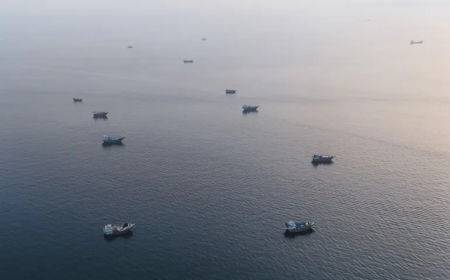
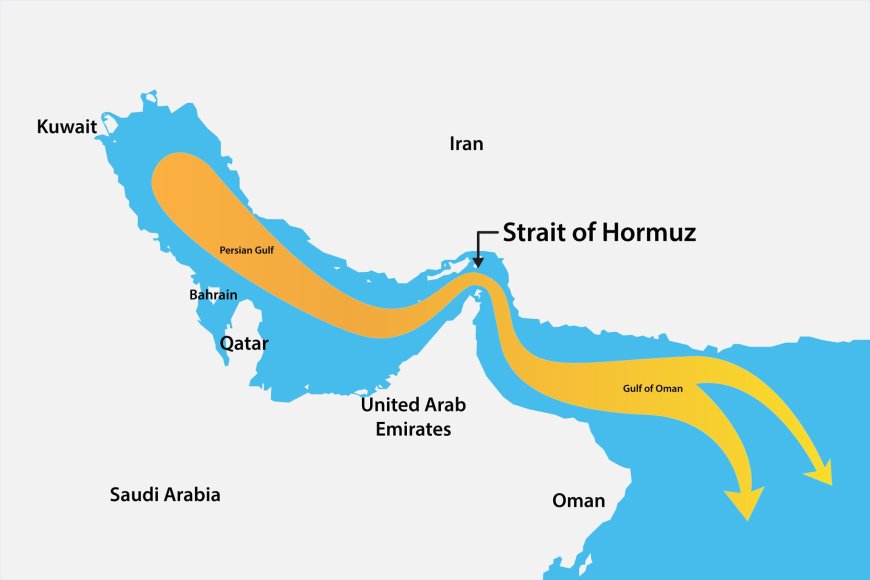
Market anxieties remain high after Iran effectively closed the Strait of Hormuz, a critical bottleneck for global oil and liquefied natural gas supplies.
Adding to regional instability, Israel ordered its military forces to push deeper into Lebanon on Monday. The ground advance targets Tehran-backed Hezbollah forces, further fueling a wider conflict that was originally generated by the broader U.S.-Israeli war against Iran.
The continuous cycle of violence persists despite an active, yet fragile, ceasefire that took effect in early April.
The U.S. and Iran have repeatedly exchanged strikes since the truce, including a major exchange last Thursday.
Pakistan continues to lead mediation efforts behind the scenes to secure a more permanent, durable peace agreement.
The three-month conflict has already claimed thousands of civilian and military lives, with the vast majority of casualties concentrated across Iran and Lebanon.
On the diplomatic front, political mixed messaging has complicated peace talks.
In a late-night social media post, U.S. President Donald Trump completely bypassed mentioning the latest wave of military hostilities. Instead, Trump doubled down on his claim that Iran "really wants to make a deal."
Trump criticized politicians at home who disagree with him "seemingly unpatriotic Republicans" for their negative "chirping" about the peace talks.
"Just sit back and relax, it will all work out well in the end - It always does!" Trump wrote.
Iranian Foreign Ministry spokesperson Esmaeil Baghaei on Monday fiercely condemned the latest U.S. military strikes and accused Washington of maintaining an inconsistent, volatile negotiating posture.
Baghaei warned that sending contradictory diplomatic signals would fail as an effective negotiating tactic, demanding that the U.S. establish a definitive position.
"Negotiations have started amid severe suspicion and mistrust, and the exchange of messages is taking place in this atmosphere," Baghaei stated.
The Iranian spokesperson emphasized that Washington’s internal inconsistency is the primary roadblock to achieving peace.
"The other party is constantly changing its views and putting forward new or contradictory demands (...) it is natural that this situation will prolong negotiations," Baghaei said.