 English
 Kinyarwanda

U.S. Sanctions Rwandan Army, Four Senior Officers Over Alleged Violations of Washington Peace Accord

The United States has imposed sanctions on the Rwanda Defence Force (RDF) and four of its most senior commanders, accusing them of backing M23, a rebel group blamed for fueling bloodshed and mass displacement in eastern Democratic Republic of the Congo (DRC).
In a statement released Monday, the U.S. Department of the Treasury said its Office of Foreign Assets Control (OFAC) had designated the RDF and top military officials for what it described as direct operational support to the M23.
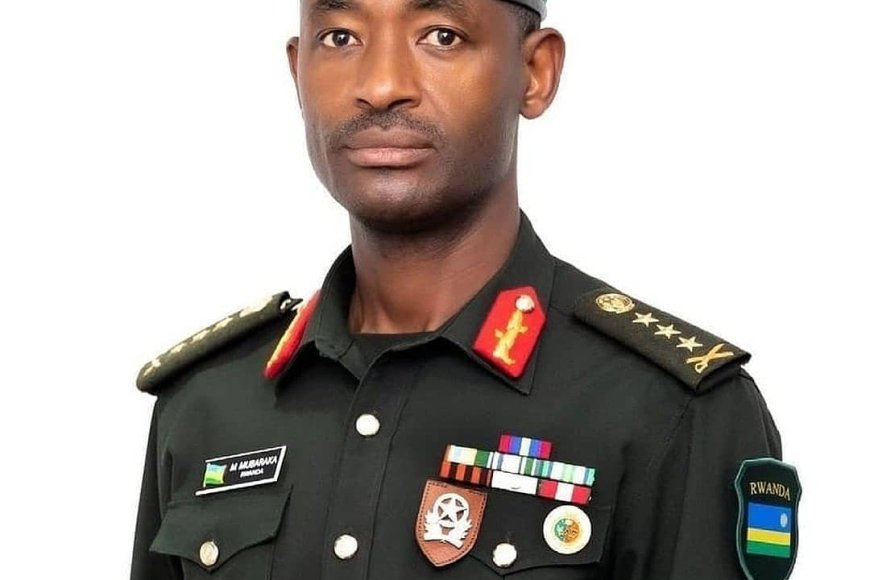
The four RDF Senior commanders include Chief of Defence Staff Gen Mubarakh Muganga, Army Chief of Staff Maj Gen Vincent Nyakarundi, Maj Gen Ruki Karusisi, and Special Operations Force Commander Stanislas Gashug.
Under the sanctions, any property or financial interests belonging to the RDF or the designated officers that are in the United States or controlled by U.S. persons are frozen. U.S. individuals and companies are generally barred from conducting transactions with them. Non-U.S. actors could also face penalties if they facilitate dealings that violate American sanctions.
The sanctions follow renewed fighting in eastern Congo just days after U.S.-brokered talks in Washington between Congolese President Félix Tshisekedi and Rwandan President Paul Kagame. The two leaders had signed a joint declaration dubbed the “Washington Accords” aimed at restoring calm in a region long scarred by cycles of rebellion and regional rivalry.
But the fragile diplomatic breakthrough quickly unraveled. M23 fighters seized Uvira, a strategic city near the Burundi border, in an offensive that reportedly left civilians dead and forced thousands to flee. Although the group later withdrew from the city, its continued presence in the area has heightened fears of a wider regional war.
“President Trump is the Peace President, and Treasury will use all tools at its disposal to ensure that the parties to the Washington Accords uphold their obligations,” Treasury Secretary Scott Bessent said in the statement, calling for the “immediate withdrawal” of Rwandan troops, weapons and equipment from Congolese territory.
Washington accuses the RDF of playing a decisive role in M23’s recent advances, including the capture of major cities such as Goma and Bukavu and control over lucrative mining areas in eastern Congo. According to the Treasury, thousands of Rwandan troops have been deployed inside Congolese territory, providing advanced military equipment, including drones, air defense systems and GPS jamming technology and training to M23 fighters.
The Rwandan government has rejected US sanctions, describing the move as "targeting only one party" to Washington Accords and a misrepresentation of the conflict in eastern DR Congo.
"The sanctions issued today by the United States unjustly targeting only one party to the peace process misrepresent the reality and distort the facts of the conflict in eastern Democratic Republic of Congo," the government said in a statement on Monday.
The US department alleges that, with RDF backing, M23 has committed extrajudicial killings, arbitrary arrests and acts of torture. It also claims Rwanda has benefited from access to mineral-rich areas that help finance the rebellion.
Rwanda has consistently denied backing M23, arguing instead that its security concerns stem from armed groups operating in eastern Congo that it says threaten its own borders. The Congolese government, meanwhile, has long accused Kigali of interference and of exploiting the region’s vast mineral wealth.
The U.S. Treasury stressed that sanctions are intended not as punishment but as leverage to change behavior. Officials noted that designated individuals or entities can seek removal from the sanctions list if circumstances change and legal criteria are met.
Whether the new measures will shift calculations on the ground remains uncertain. Previous sanctions and diplomatic pressure have done little to permanently dismantle M23 or end the complex web of alliances and grievances driving the conflict.
For now, the message from Washington is clear: the United States is prepared to escalate financial and political pressure in defense of the fragile peace deal it helped broker.