High Levels of Corruption Continue to Threaten Peace and Governance in Africa

High Levels of Corruption Continue to Threaten Peace and Governance in Africa

Feb 13, 2026 - 16:30
 0

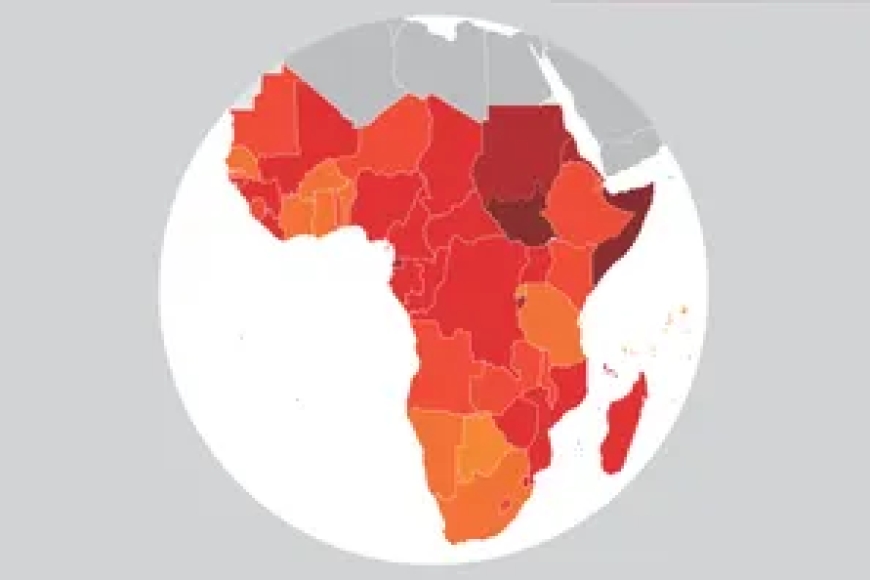
High levels of corruption undermine peace, governance and business development. There is no doubt about it as it has been proven. Yet, corruption remains a major challenge" across the African continent. The majority of Sub-Saharan African countries land at the bottom of the 2025 global Corruption Perceptions Index, recently released by Transparency International.


The annual Corruption Perceptions Index evaluates 182 nations and territories worldwide on public sector corruption using a zero-to-100 scale, where zero signifies extreme corruption and 100 indicates exceptional integrity.

Seychelles topped regional rankings with 68 points (ranking 24th globally), yet the island nation faces mounting scrutiny over weakening anti-graft enforcement. Authorities have stalled on pursuing a corruption probe involving suspected money laundering totaling $50 million, the report revealed.

Cabo Verde secured second place at 62 points (ranking 35th globally), with Botswana and Rwanda tied at 58 (ranking 41st globally), according to the index.

The assessment documented a troubling trajectory in Mozambique, which plummeted 10 points over ten years to reach just 21. Government statistics highlighted in the analysis revealed 334 fresh corruption cases emerged during 2025's opening quarter alone, representing approximately $4.1 million in financial losses—evidence of the problem's magnitude.

Bottom performers include Sudan at 14 points, Eritrea at 13, and both Somalia and South Sudan registering nine points each.

Since 2012, ten regional governments have experienced substantial deterioration while only seven demonstrated progresses, indicating current anti-graft strategies remain inadequate, researchers cautioned.

Deficiencies in oversight mechanisms and institutional architecture continue fueling widespread misappropriation of taxpayer resources throughout Sub-Saharan Africa, investigators determined.

Paul Banoba, Transparency International's Africa regional advisor, condemned how public sector malfeasance disproportionately harms marginalized communities, emphasizing "more needs to be done" to address the epidemic.

"African governments need to urgently translate anti-corruption commitments into decisive action by further strengthening accountability institutions and increasing transparency, protecting civic space and supporting public participation, along with necessary checks and balances on power," he said in a statement.

Corruption compromises positive peace

Banoba’s call resonates best with one of the eight pillars of positive peace, which demonstrates how high levels of corruption effect equitable and efficient distribution of resources, jeopardises healthy business environment and competitiveness while weakening institutions.

Such situation often leads to a lack of funding for essential services, fuel public dissatisfaction and low trust in institutions and leadership, which in turn can lead to dissatisfaction and civil unrest.

Transparency International highlighted that financial mismanagement signals deficient political integrity among governing officials, restricting citizens' access to vital services and degrading quality of life.

Countries must elevate tangible anti-corruption measures and bolster democratic governance to enhance living standards, the organization pressed.
High Levels of Corruption Continue to Threaten Peace and Governance in Africa

Feb 13, 2026 - 16:30
Feb 14, 2026 - 09:24
 0
High Levels of Corruption Continue to Threaten Peace and Governance in Africa

High levels of corruption undermine peace, governance and business development. There is no doubt about it as it has been proven. Yet, corruption remains a major challenge" across the African continent. The majority of Sub-Saharan African countries land at the bottom of the 2025 global Corruption Perceptions Index, recently released by Transparency International.


The annual Corruption Perceptions Index evaluates 182 nations and territories worldwide on public sector corruption using a zero-to-100 scale, where zero signifies extreme corruption and 100 indicates exceptional integrity.

Seychelles topped regional rankings with 68 points (ranking 24th globally), yet the island nation faces mounting scrutiny over weakening anti-graft enforcement. Authorities have stalled on pursuing a corruption probe involving suspected money laundering totaling $50 million, the report revealed.

Cabo Verde secured second place at 62 points (ranking 35th globally), with Botswana and Rwanda tied at 58 (ranking 41st globally), according to the index.

The assessment documented a troubling trajectory in Mozambique, which plummeted 10 points over ten years to reach just 21. Government statistics highlighted in the analysis revealed 334 fresh corruption cases emerged during 2025's opening quarter alone, representing approximately $4.1 million in financial losses—evidence of the problem's magnitude.

Bottom performers include Sudan at 14 points, Eritrea at 13, and both Somalia and South Sudan registering nine points each.

Since 2012, ten regional governments have experienced substantial deterioration while only seven demonstrated progresses, indicating current anti-graft strategies remain inadequate, researchers cautioned.

Deficiencies in oversight mechanisms and institutional architecture continue fueling widespread misappropriation of taxpayer resources throughout Sub-Saharan Africa, investigators determined.

Paul Banoba, Transparency International's Africa regional advisor, condemned how public sector malfeasance disproportionately harms marginalized communities, emphasizing "more needs to be done" to address the epidemic.

"African governments need to urgently translate anti-corruption commitments into decisive action by further strengthening accountability institutions and increasing transparency, protecting civic space and supporting public participation, along with necessary checks and balances on power," he said in a statement.

Corruption compromises positive peace

Banoba’s call resonates best with one of the eight pillars of positive peace, which demonstrates how high levels of corruption effect equitable and efficient distribution of resources, jeopardises healthy business environment and competitiveness while weakening institutions.

Such situation often leads to a lack of funding for essential services, fuel public dissatisfaction and low trust in institutions and leadership, which in turn can lead to dissatisfaction and civil unrest.

Transparency International highlighted that financial mismanagement signals deficient political integrity among governing officials, restricting citizens' access to vital services and degrading quality of life.

Countries must elevate tangible anti-corruption measures and bolster democratic governance to enhance living standards, the organization pressed.