 English
 Kinyarwanda
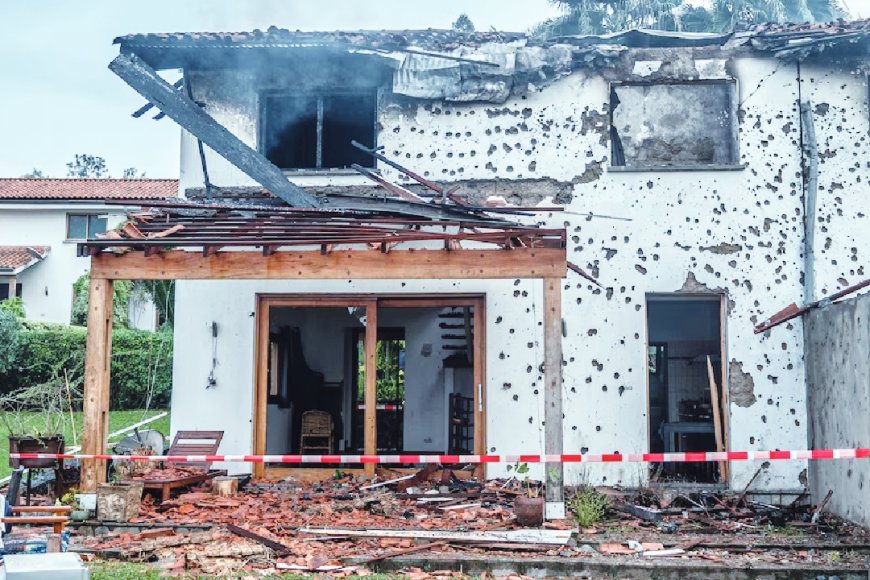
ICG Demands immediate Ceasefire in Eastern DRC Amid Rising Drone Attacks

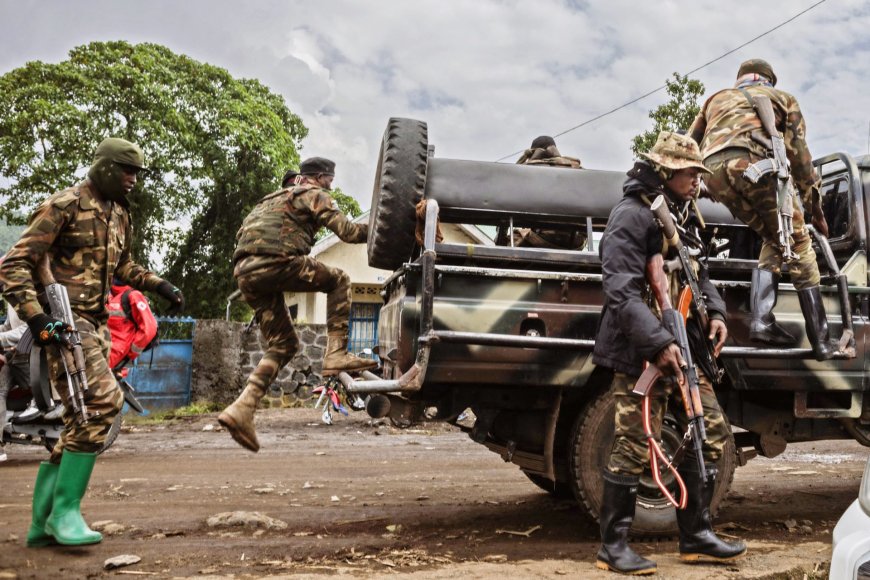
The International Contact Group (ICG) for the Great Lakes has issued a sharp directive to all opposing parties in the eastern Democratic Republic of the Congo (DRC) to immediately stop fighting, warning that escalating drone strikes are killing civilians alongside a rapidly expanding Ebola emergency, according to joint statement, released on May 22, following a high-level summit held on May 20-21.
The ICG comprises international stakeholders, including representatives from the United States, the United Kingdom, France, Germany, Belgium, Denmark, the European Union, the Netherlands, Sweden, and Switzerland.
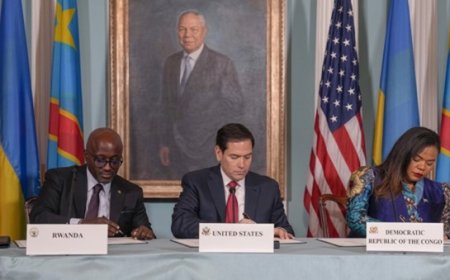
The coalition recognized recent diplomatic movements under the Washington Accords between the DRC and Rwanda, as well as the Doha Framework Agreement between the DRC and the Alliance Fleuve Congo/March 23 Movement (AFC/M23.
“The ICG urges all parties to the conflict to build on this momentum, fulfil their commitments under these and earlier agreements, and remain steadfast in their pursuit of peace through negotiations. The ICG reiterates that there can be no military solution to the conflict.”
A primary driver of the group's urgent intervention is the shift in battlefield technology, specifically the deployment of unmanned aerial systems that are increasingly hitting populated areas.
“All parties must protect civilians in line with their obligations under international humanitarian law. The escalating use of drones by various actors, including by state actors, has led to an increasing number of civilian casualties. The ICG condemns violations of international humanitarian law in the strongest terms,” reads statement.
To curb the violence, the alliance demanded immediate improvements in civil-military coordination and the clear pre-identification of humanitarian infrastructure.
The global powers insisted that high-level political progress must immediately translate to safety on the ground.
The ICG calls on all parties to facilitate humanitarian access in line with international humanitarian law, including by working towards the sustained opening of the Goma and Kavumu airports, the establishment of safe humanitarian corridors in North and South Kivu, and simplified administrative procedures.
“The recent outbreak of Ebola, declared by WHO as a Public Health Emergency of International Concern on 17 May, and declared by Africa CDC as a Public Health Emergency of Continental Security on 18 May, adds to an already fragile humanitarian situation in the eastern DRC. The ICG urges all parties to the conflict to facilitate efforts to respond to the Ebola outbreak.”
Diplomats praised incremental breakthroughs achieved during talks in Montreux, Switzerland from April 13-19, where the DRC government and the AFC/M23 committed to prisoner releases and humanitarian support.
They also cited the April 23 Joint Oversight Committee meeting in Washington as a step forward, alongside regional mediation facilitated by Qatar, Angola, the African Union, and Togolese mediator Faure Gnassingbé.
Reaffirming their long-term alignment with the Peace, Security and Cooperation Framework for the region, the world powers noted that structural domestic reforms are the only way to permanently break the cycle of violence.
“Inclusive governance, accountability and the safeguarding of rights are essential for long-term stability, helping to address grievances and break cycles of instability.”