 English
 Kinyarwanda
In Fragile States, Faith Leaders Emerging as Quiet Forces for Peace

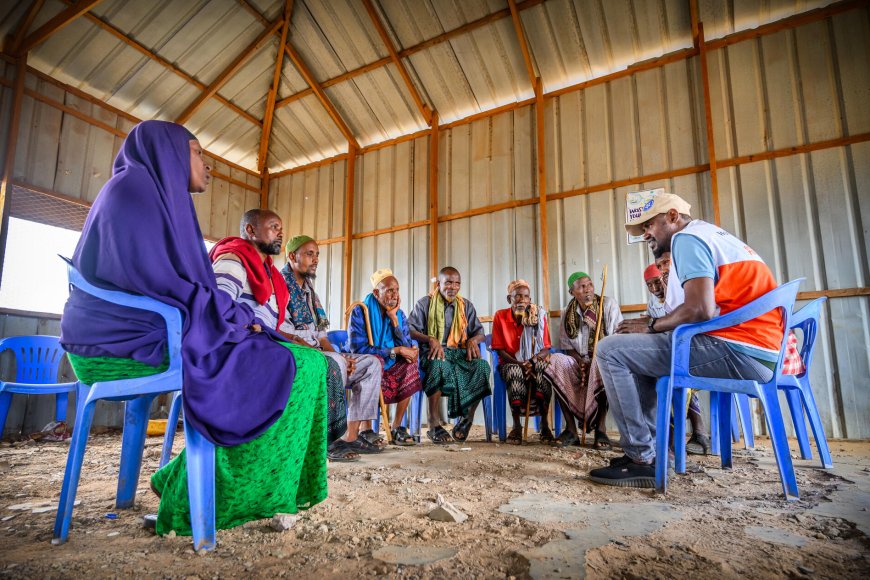
In countries scarred by conflict, peace is often discussed in diplomatic halls and political summits. But on the ground, it is frequently local faith leaders — imams, pastors, priests and other religious figures — who are helping hold fractured communities together.
Humanitarian organisation World Vision International says experience from fragile states shows that faith leaders can be powerful partners in peacebuilding, especially in places where trust in political institutions is low but religious leaders remain deeply respected.
In conflict-affected settings, aid agencies say progress is fragile. Schools reopen, clinics operate and markets recover — only for violence to undo those gains. Without stability, development work struggles to take root.
For this reason, World Vision has increasingly integrated peacebuilding into its humanitarian and development programming. The organisation says its approach emphasises conflict-sensitive analysis, efforts to reduce harm and initiatives aimed at addressing both the symptoms and root causes of violence. Central to that strategy is working with faith leaders.
Building Bridges in Mali
In Mali, where insecurity has persisted for more than a decade, World Vision reports training more than 9,000 religious and community leaders in peace-focused models designed to encourage dialogue, strengthen families and promote social cohesion.
The trainings brought together Muslim and Christian leaders — sometimes from communities divided by tension — to reflect jointly on shared values rooted in their respective faith traditions.
One imam who participated said the discussions revealed points of convergence between Islam and Christianity, particularly around neighbourliness and coexistence. He described the sessions as a reminder that, despite differences, communities share common moral ground.
“Through a training session that we attended together, I learned a lot about cohabitation and neighbourliness. These teachings, based on sacred scriptures, show points of convergence between Christians and Muslims. As human beings, we all find ourselves somewhere that is common to us,” he said.
Faith leaders in Mali have also been involved in disaster preparedness initiatives. By drawing on teachings about stewardship and responsibility, they have encouraged communities to prepare for crises rather than view them as inevitable acts of fate.
According to the organisation, when pastors and imams co-facilitated sessions, the visible partnership itself sent a powerful message, reinforcing trust and reducing suspicion among participants.
Promoting Coexistence in Iraq
In Iraq, a country still recovering from years of sectarian violence and the aftermath of the fight against the Islamic State group, World Vision supported a workshop bringing together 30 faith leaders from eight religious communities, including Muslims, Christians, Baha’i, Turkmen and Yezidis.
Over three days, participants discussed positive peace and social cohesion. After the workshop, they launched community campaigns in mosques and schools and organised awareness sessions promoting tolerance and coexistence.
They also created a messaging group to stay connected and coordinate their outreach. Within six months, the initiative had reached an estimated 28,000 people, according to World Vision.
The organisation says such efforts demonstrate how trusted local voices can help mend social fabric in post-conflict societies.
Trust as a Peacebuilding Tool
In many fragile settings, faith leaders are among the most accessible and trusted figures in daily life. They preside over marriages and funerals, counsel families and address congregations weekly. That moral authority can make them influential mediators in times of tension.
Development practitioners increasingly acknowledge that peacebuilding cannot be an afterthought. When social divisions go unaddressed, aid projects risk being undermined by renewed violence.
Still, the role of faith actors in humanitarian work remains a subject of discussion within the sector. Some caution that religious influence can be divisive if not handled carefully. Others argue that excluding faith leaders overlooks a critical source of community legitimacy.
World Vision maintains that engagement must be principled, inclusive and conflict-sensitive — but says ignoring faith actors can mean missing an opportunity to strengthen trust where it matters most.
As conflicts continue to affect communities across Africa and the Middle East, the debate is shifting from whether peacebuilding is necessary to how it can be embedded more intentionally into humanitarian responses.
For many working in fragile contexts, the lesson is simple: peace is not built only through high-level negotiations. It also grows in local conversations, shared teachings and small acts of cooperation, often led by those communities trust the most.