 English
 Kinyarwanda
Mongabay Launches New Fellowship to Support Environmental Journalists in Tropical Regions

As environmental reporting continue to face mounting challenges worldwide, Mongabay has announced a new fellowship aimed at strengthening conservation journalism in some of the planet’s most vulnerable regions.
Environmental journalism is under increasing pressure at a time when it is needed most. Biodiversity loss, climate change impacts, and threats to Indigenous and local communities are intensifying, particularly in tropical regions that host much of the world’s remaining biodiversity. Yet journalists working in these areas often face shrinking newsroom budgets, limited training opportunities, and restrictions on press freedom.
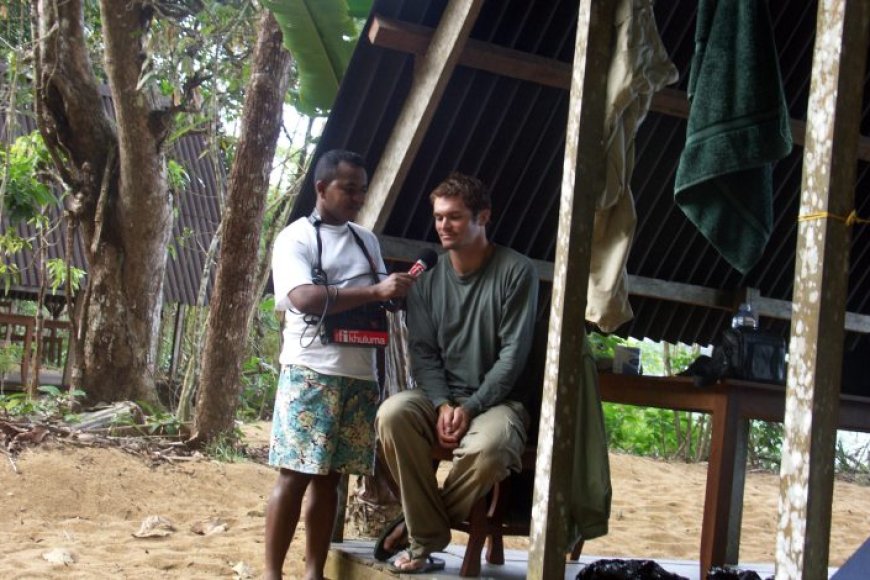
In response, Mongabay has launched the Y. Eva Tan Conservation Reporting Fellowship, a paid, six-month program designed to support early-career environmental journalists from tropical countries. The fellowship aims to build reporting skills, expand professional networks, and amplify locally grounded stories on global conservation issues.
Mongabay is an independent, nonprofit media organization reporting on nature and planetary challenges with a global network of local journalists. Headquartered in Madagascar, Mongabay serves a diverse audience by providing free access to news and information in numerous languages and formats to address knowledge gaps and improve transparency.
Between 2026 and 2028, Mongabay plans to support at least 16 English-language fellows each year, selected from low- to upper-middle-income tropical countries. Of these, five fellows annually will focus on ocean-related reporting in Southeast Asia, a region facing mounting pressures from overfishing, coastal development, and climate change.
Fellows will work remotely from June 1 to Nov. 30, 2026, committing approximately 10 hours per week. Participants will receive a $500 monthly stipend, hands-on editorial mentorship, and the opportunity to publish six original stories with Mongabay’s global platform.
Mongabay says the fellowship is intended not only to support individual journalists, but also to strengthen environmental reporting ecosystems in regions where conservation stories are often underreported. By pairing early-career reporters with experienced editors, the program seeks to elevate local perspectives and bring critical environmental issues to international audiences.
Applications will be accepted on a rolling basis from 15 December 2025 through 01 February 2026. Submit your application now.