 English
 Kinyarwanda

Mulindi Visit Gives Itorero Youth A First-Hand Lesson in Rwanda's Liberation History

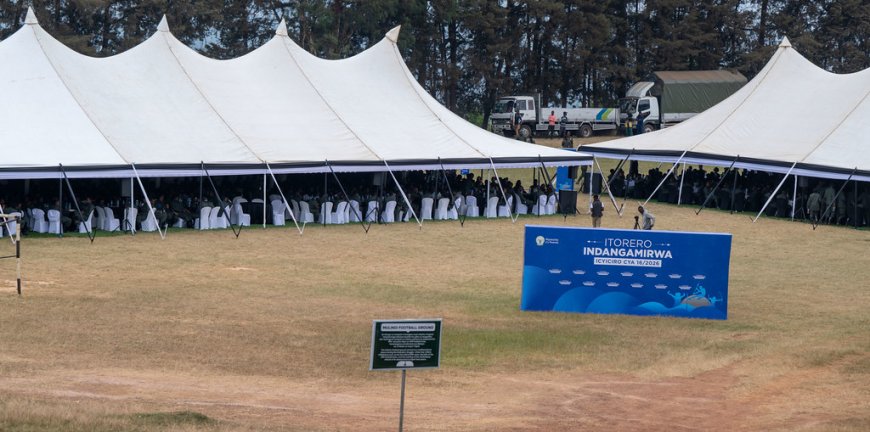
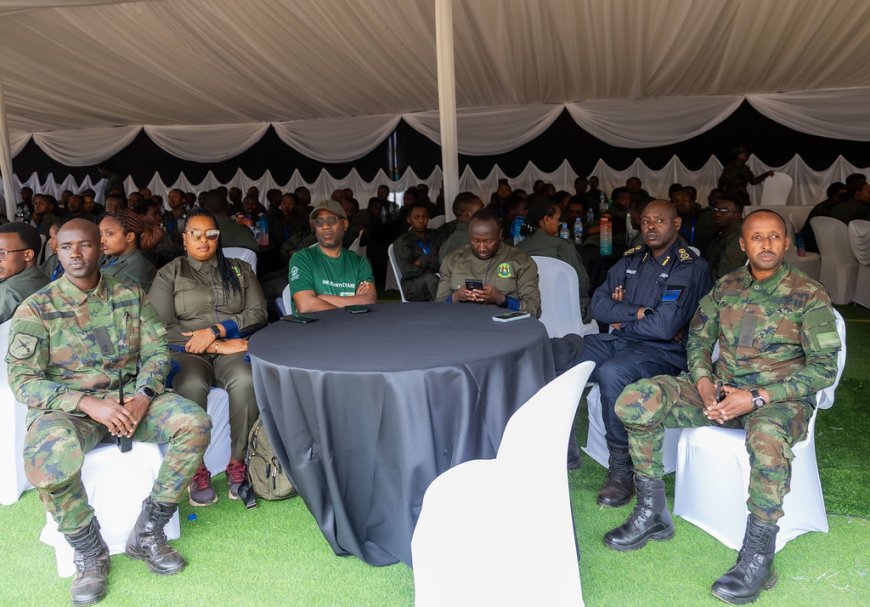
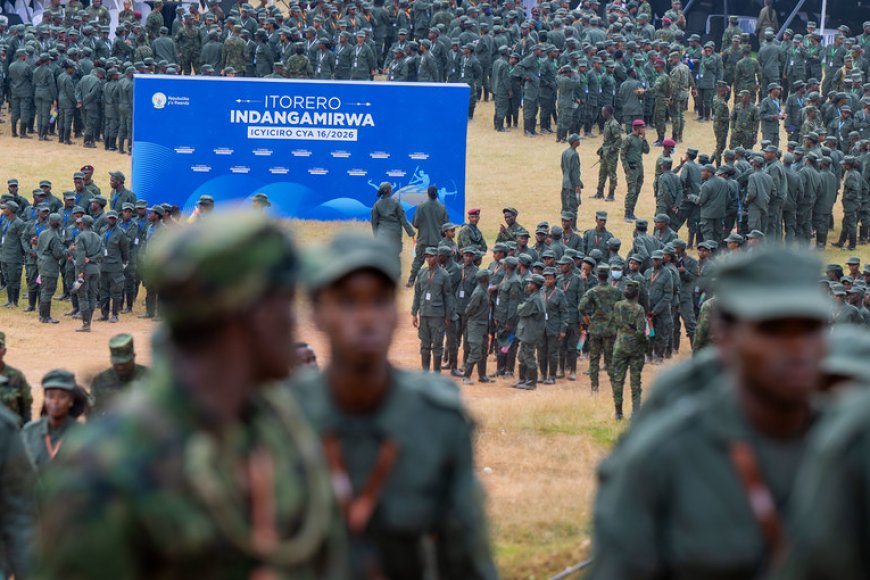
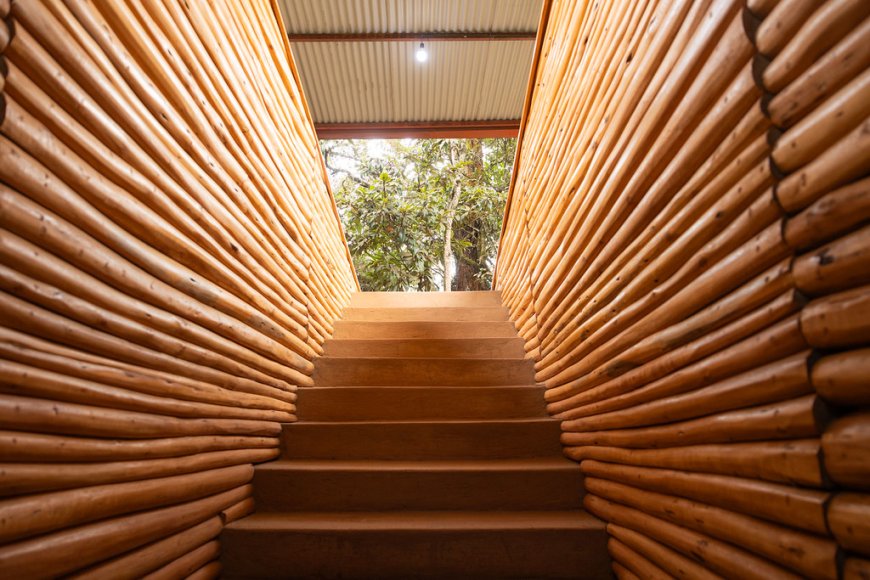
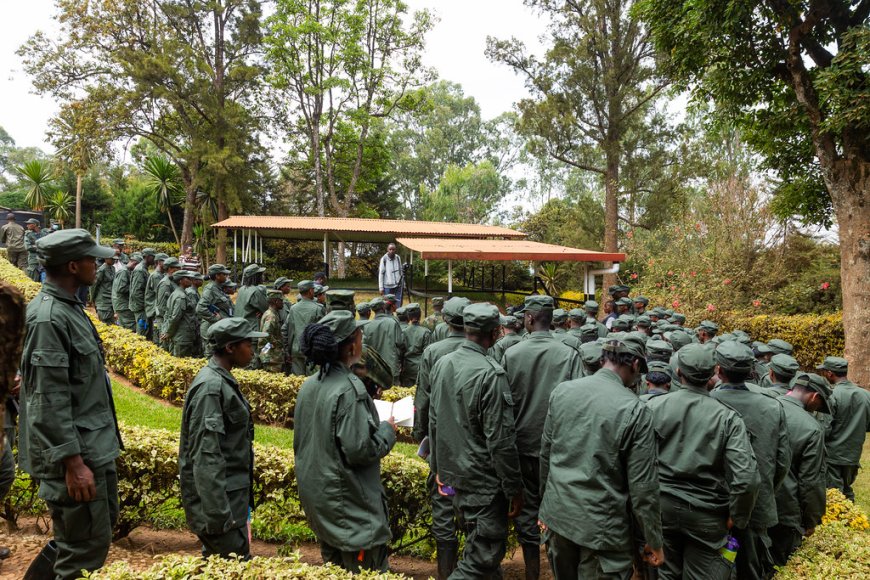
Standing inside the modest underground shelters where decisions of Rwanda's liberation struggle were once made, 771 participants of the 16th cohort of Itorero Indangamirwa on Wednesday, July, 15 came face-to-face with a chapter of history many of them had only encountered in books and classrooms.
The youth, drawn from Rwanda and the diaspora, visited the National Liberation Struggle Museum at Mulindi w'Intwari in Gicumbi District as part of their civic education program, exploring the site where the RPF-Inkotanyi coordinated the liberation struggle that transformed the country's future.
Organizers said the visit was designed to deepen participants' understanding of Rwanda's history while reinforcing values of patriotism, unity, resilience, discipline and selfless service.
Among the participants were young Rwandans studying or living abroad, graduates from international secondary schools in Rwanda, top performers from the 13th cohort of Urugerero rw'Inkomezabigwi and students from universities and higher learning institutions.
The visit formed part of the ongoing 16th Itorero Indangamirwa program, which began on July 1 at the Gabiro Military Training School and will conclude on August 10.
For 18-year-old Leslie Kabura, who lives in Luxembourg, walking through the museum offered something she says books never could.
"I feel like I just heard about it and read about it, but I've never experienced what actually happened here. And just to get the visual experience, so later on, if I'm maybe old, I could tell the future Rwandese or future people in Luxembourg or in Europe in general, what I have experienced," she said.
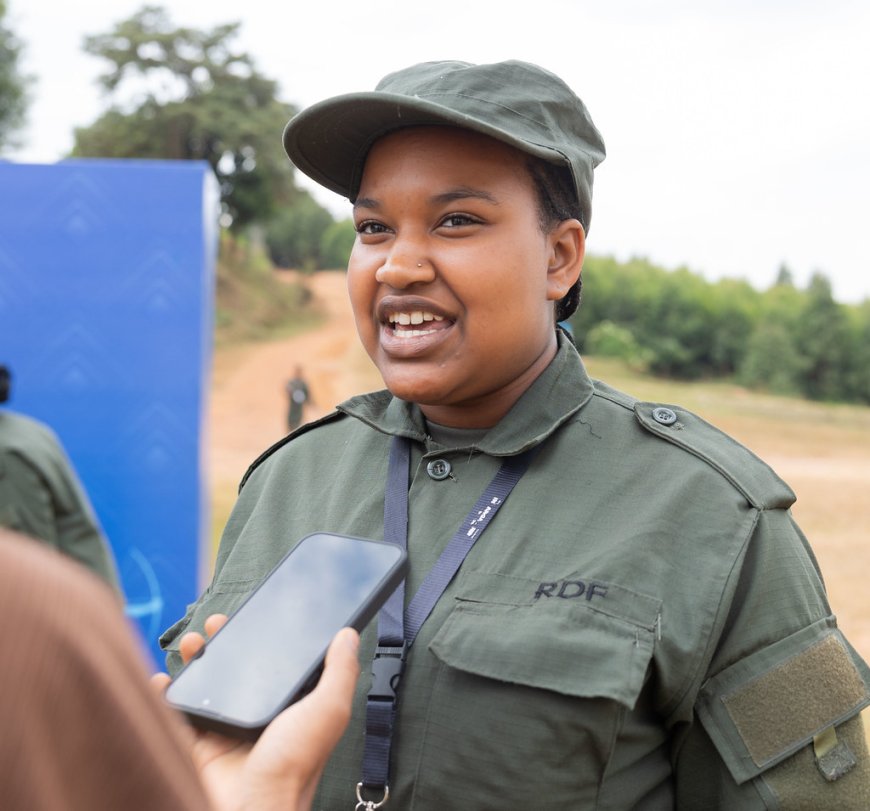
Kabura said the visit reshaped the way she sees her country and strengthened her sense of belonging despite growing up abroad.
"What stood out for me is just how it actually is... from the past till now, how everything built up on its own. People came here, took their knowledge from outside and came back... to build back their country up," she said.
"When we see and look around, it became beautiful [Rwanda], became clean. And honestly, I'm proud to say that I'm Rwandese. I would love that we, as the future generation, could build more of what they have stopped."
Asked how the experience would influence her response to genocide denial sometimes encountered among young people in the diaspora, Kabura said the visit had fundamentally changed her perspective.
"I feel like when I came here, my perspective changed a lot about the country and everything," she said.
For Olivier Collins Itangishaka, a student at Portland State University in the United States who also studied software engineering at Africa Leadership University, the museum transformed stories he had previously only heard into tangible lessons.
"This is my first time here. I know a lot, I've heard a lot about the place, but I haven't been able to experience it in person," he said.
Walking through the former command center, he said, revealed how determination and unity outweighed physical resources.
"Being able to see how the RPA was coordinated, how the tactics and how they were able to organize themselves... it really taught me a lot," he said.
"It doesn't look like a fancy place with massive buildings or fancy technologies, but they were able to win the battle and the war through using these places as their cover and as a meeting point. I really learned that with unity you can really do anything."
Itangishaka said the broader Itorero program has also challenged participants to think about their responsibilities beyond the classroom, particularly in the digital space.
He cited discussions with government leaders, including the Minister of ICT and Innovation and the Chief Executive Officer of Irembo, who emphasized responsible online engagement.
"It's our responsibility to monitor and to be careful of what we share online," he said. "It's our responsibility as young people not just to use technology, but also to build and develop our country."
Another participant, Ayaan Liban Mugabo, who recently graduated from Green Hills Academy in Kigali, said the visit highlighted the careful planning and sacrifices that underpinned the liberation struggle.
"A big takeaway I got from this was, first of all, the amount of planning which went into the whole liberation struggle by the RPA," she said.
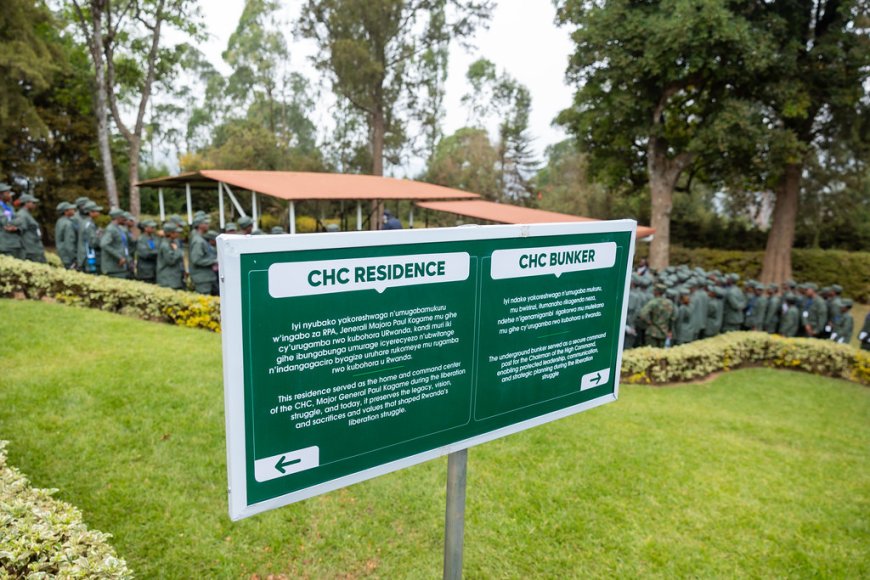
She recalled visiting the Arusha House, the women's quarters and the underground bunker where President Paul Kagame stayed during the struggle.
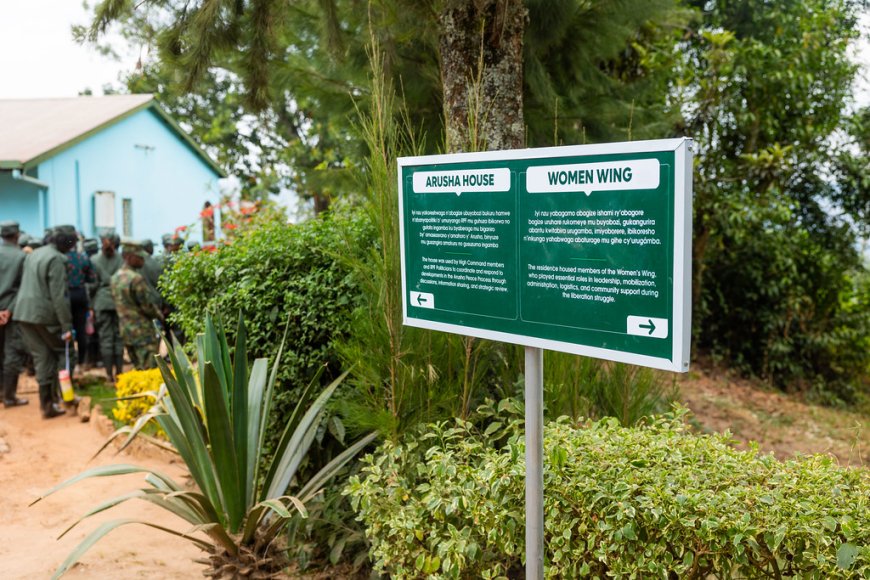
"Despite the fact that it was so small... they made with what they had for the sake of Rwanda," she said. "All that they went through in this place... made the Rwanda we have today."
The experience, she added, reinforced the importance of patriotism.
"At the end of the day, as Rwandans, the most important thing is Rwanda—our country, our home, our language, our unity."
She also described resilience as one of the strongest lessons from the visit.
"There's no ultimate goal you can achieve without resilience," she said. "The RPA was incredibly resilient."
For Ntwali Sabry Keith, an economics student at Saginaw Valley State University in Michigan who has lived outside Rwanda for six years, returning to Mulindi strengthened his connection to home.
"Coming back here, I realised that not only did I miss this place... but it also showed me that Rwanda has changed a lot," he said.
Learning how the liberation struggle was organized gave him a deeper appreciation of the country's history and renewed confidence in representing Rwanda while studying abroad.
"It made me reaffirm that I'm Rwandan and I can stand for Rwanda and be more informed of what I'm saying," he said.
Keith also credited the Itorero program with instilling discipline through its structured daily routine.
"I really like it. I feel like I have more time in my hands. I can write more, I can journal, I can talk to more people," he said, referring to limited phone use and a schedule centered on physical training, lessons and group activities.
The Ministry of National Unity and Civic Engagement (MINUBUMWE) says the museum visit is a central component of the National Civic Education Program under Itorero ry'Igihugu.
The ministry's Permanent Secretary Eric Mahoro said the initiative is especially significant because all participants in the current Indangamirwa cohort were born after the 1994 Genocide against the Tutsi.
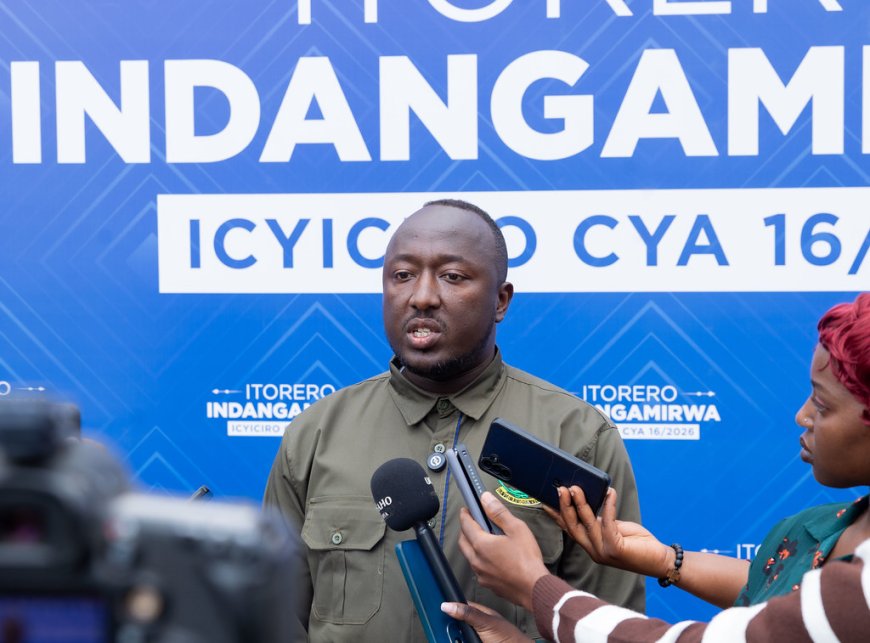
"This is part of the curriculum to teach them our national history and the history of the liberation struggle," the Permanent Secretary said.
"It helps them understand the historical periods we went through, including the collapse of Rwandan unity and the Genocide against the Tutsi. Most importantly, it highlights the liberation struggle itself, which successfully led to rebuilding the unity of Rwandans."
The Permanent Secretary said the program equips participants with values they are expected to uphold, including patriotism and national unity, while helping them understand the mistakes of the past.
The ministry also underscored the importance of involving Rwandan youth living abroad.
"Even though they reside outside Rwanda, Rwanda remains an integral part of who they are because they are Rwandans," the Permanent Secretary said.
According to the ministry, more than 5,000 young people have graduated from Itorero Indangamirwa since the program was launched, with many going on to demonstrate leadership, patriotism and civic responsibility in Rwanda and abroad.
The Permanent Secretary said graduates living overseas have played an important role in speaking truthfully about Rwanda's history and countering attempts to minimize or deny the 1994 Genocide against the Tutsi.
The official also encouraged the wider public, especially residents living near Mulindi, to visit the museum and other historical sites.
"As the saying goes, 'If you do not know where you come from, you cannot know where you are going,'" the Permanent Secretary said, urging Rwandans to continue drawing lessons of patriotism and unity from the country's liberation history.