
What you need to know about US-Iran Deal signed to end war

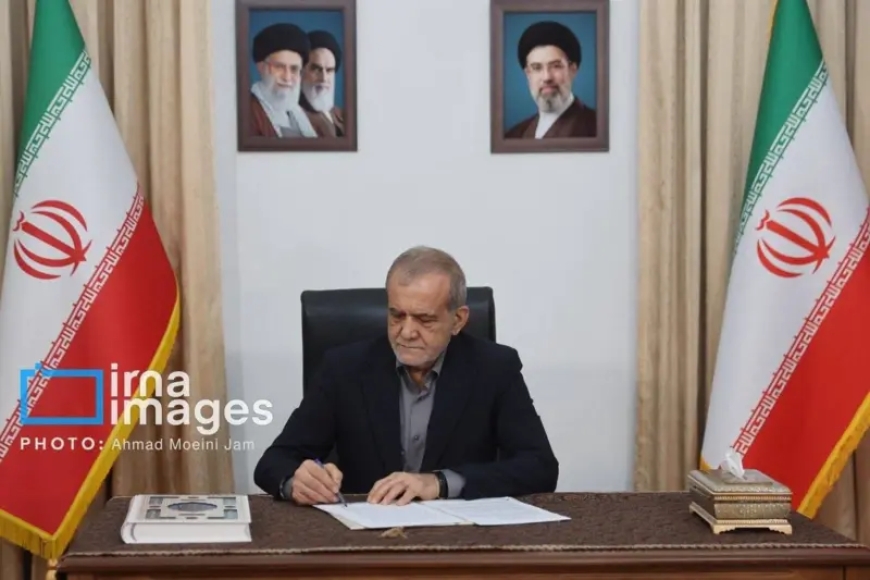
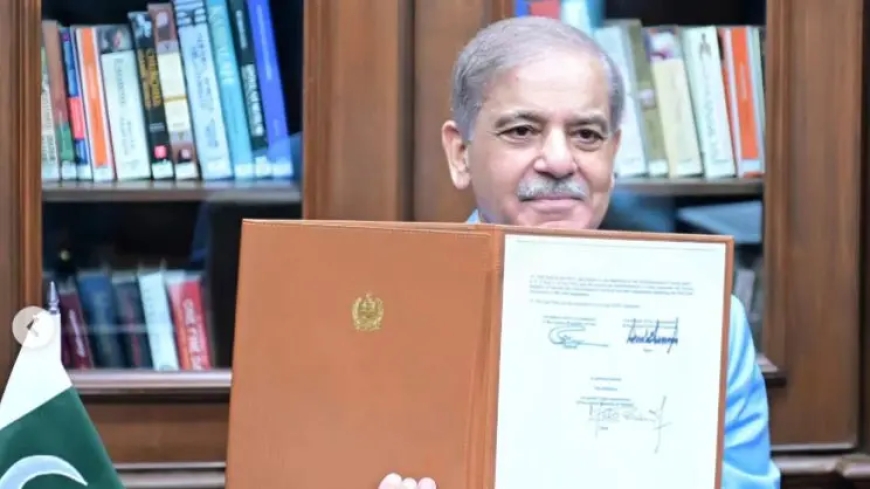
Pakistani Prime Minister Shehbaz Sharif has also shared photos of himself signing the memorandum as a mediator. Photo: IRNA

What you need to know about US-Iran Deal signed to end war

Jun 18, 2026 - 11:57
 0

United States (U.S.) President Donald Trump and Iranian President Masoud Pezeshkian have signed initial breakthrough 14-point ceasefire extension agreement on Wednesday, June 17 night to immediately halt their four-month-old war and reopen the Strait of Hormuz.


Confirmed by a White House official to the BBC, the initial deal was signed during the G7 summit in France, launching a critical 60-day diplomatic countdown to negotiate a permanent peace treaty.
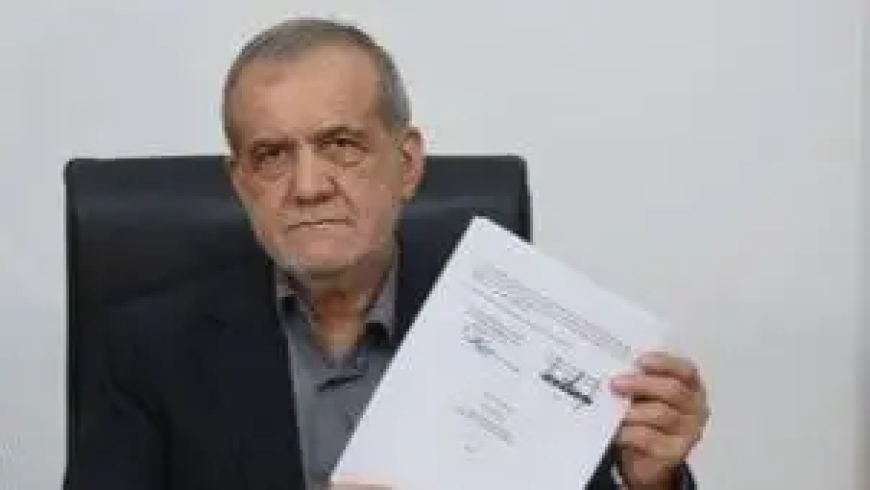
The Memorandum of Understanding (MoU) is described by the Trump administration as "performance-based", meaning Iran will only benefit if it fully complies with its side of the bargain.
Here is what you need to know about the key points of the agreement:

1. An Immediate Ceasefire 'On All Fronts'

The agreement mandates an "immediate and permanent" termination of military operations on "all fronts" — a clause that explicitly covers Lebanon.

President Trump has been increasingly concerned that Israeli military actions against Hezbollah could destroy the deal, while Tehran has firmly insisted on a total Lebanese truce.

Warning against further escalations, a spokesperson for the Iranian Ministry of Foreign Affairs stated on Wednesday that any continued Israeli military operations in Lebanon would constitute a "violation of the understanding" and warned that "necessary measures will be taken".

The text guarantees that "from now on" neither side will initiate military actions or threats, protecting "the territorial integrity and sovereignty" of Lebanon. It remains completely unclear how Israel will react to this condition.

2. Strict Respect for 'Internal Affairs'

The official text notes that both nations will "respect each other's sovereignty and territorial integrity" and completely refrain from interfering in each other's domestic issues.

This clause will likely spark heavy backlash from Iranian dissident groups. Earlier this year, Trump had publicly promised anti-government demonstrators in Iranian cities that "help is on the way".

3. A Strict 60-Day Peace Countdown

Both leaders have committed to achieving a final peace deal within a "maximum" of 60 days, though the timeline can be extended if both sides agree.

Trump signed the document at a post-G7 dinner at the Palace of Versailles, and the White House confirmed President Pezeshkian has also signed it. It is currently unclear if a previously planned formal signing ceremony in Geneva will still take place this week.

4. Reopening the Crucial Strait of Hormuz

A massive objective for the U.S. has been resolved as Iran agreed to "make arrangements using its best efforts" to allow the safe, uncharged passage of commercial ships through the Strait of Hormuz.

Traffic will resume "immediately" while both sides work to clear technical, military, and mining obstacles.

Long-term, Iran will collaborate with Oman and other Gulf states to build a "broader" management framework, as U.S. officials state the Gulf nations would "never" accept a future A transit fee framework.

5. Ending the U.S. Naval Blockade

The U.S. military will completely lift its naval blockade and remove "any disturbances or impediments" on Iranian ports within 30 days.

During this transition, U.S. vessel allowances will directly mirror the commercial traffic restored by Iran in the Strait of Hormuz.

Within 30 days of a finalized peace treaty, American forces will pull back from the "proximity of Iran", returning to the military posture held before hostilities erupted on February 28.

6. A $300 Billion Reconstruction Fund

The MoU outlines a "definitive, mutually agreed plan" to generate at least $300 billion for the reconstruction and economic development of Iran, with a final framework to be settled within 60 days. However, a senior U.S. official emphasized that Washington is not required to pay "a cent of money" to Iran or contribute to the fund.

Instead, if Iran "behaves", regional partners like the United Arab Emirates could fund local projects under U.S. waivers, a model the administration notes stand contrast to the 2015 Obama-era deal.

7. Total Rollback of Economic Sanctions

The U.S. has agreed to terminate all unilateral and UN Security Council economic sanctions that have devastated Iran under the recent American campaign known as "Operation Economic Fury". While the exact schedule will be hammered out during subsequent talks, both nations have expressed their intent to "immediately" tackle the issue.

8. Strict Banning of Nuclear Weapons

Iran has officially agreed never to procure or purchase a nuclear weapon.

Under the deal, Tehran's existing highly enriched uranium will, at a minimum, be "down-blended" on-site under the direct supervision of the International Atomic Energy Agency (IAEA).

A senior U.S. official hailed this as a "minimum standard" and a "major win" for Washington.

President Trump previously noted that preventing a nuclear Iran was "99 percent" of his objective when he launched "Operation Epic Fury" earlier this year.

9. A Temporary Nuclear 'Status Quo'

While final details are being negotiated, both nations will maintain a strict nuclear "status quo". To keep the peace, the U.S. will refrain from leveling new sanctions and will issue immediate waivers for Iranian oil exports, petroleum products, banking transactions, and shipping transportation.

10. Conditional Release of Frozen Funds

Resolving a major diplomatic sticking point, the U.S. "undertakes to make fully available frozen or restricted funds" once the MoU implementation gets underway.

A U.S. official confirmed on Wednesday, June 17 that asset releases will be staggered during post-MoU negotiations to actively reward Iran as it complies with core commitments, such as down-blending its uranium.

11. Final Verification and UN Endorsement

The final sections of the MoU dictate that the U.S. and Iran will launch a joint "mechanism" to closely monitor compliance and implementation.

As initial terms take effect, formal bilateral negotiations for a final treaty will commence, with the ultimate goal of having the final peace agreement formally endorsed by a binding UN Security Council resolution.
What you need to know about US-Iran Deal signed to end war

Jun 18, 2026 - 11:57
 0
What you need to know about US-Iran Deal signed to end war
Pakistani Prime Minister Shehbaz Sharif has also shared photos of himself signing the memorandum as a mediator. Photo: IRNA

United States (U.S.) President Donald Trump and Iranian President Masoud Pezeshkian have signed initial breakthrough 14-point ceasefire extension agreement on Wednesday, June 17 night to immediately halt their four-month-old war and reopen the Strait of Hormuz.


Confirmed by a White House official to the BBC, the initial deal was signed during the G7 summit in France, launching a critical 60-day diplomatic countdown to negotiate a permanent peace treaty.

The Memorandum of Understanding (MoU) is described by the Trump administration as "performance-based", meaning Iran will only benefit if it fully complies with its side of the bargain.

Here is what you need to know about the key points of the agreement:

1. An Immediate Ceasefire 'On All Fronts'

The agreement mandates an "immediate and permanent" termination of military operations on "all fronts" — a clause that explicitly covers Lebanon.

President Trump has been increasingly concerned that Israeli military actions against Hezbollah could destroy the deal, while Tehran has firmly insisted on a total Lebanese truce.

Warning against further escalations, a spokesperson for the Iranian Ministry of Foreign Affairs stated on Wednesday that any continued Israeli military operations in Lebanon would constitute a "violation of the understanding" and warned that "necessary measures will be taken".

The text guarantees that "from now on" neither side will initiate military actions or threats, protecting "the territorial integrity and sovereignty" of Lebanon. It remains completely unclear how Israel will react to this condition.

2. Strict Respect for 'Internal Affairs'

The official text notes that both nations will "respect each other's sovereignty and territorial integrity" and completely refrain from interfering in each other's domestic issues.

This clause will likely spark heavy backlash from Iranian dissident groups. Earlier this year, Trump had publicly promised anti-government demonstrators in Iranian cities that "help is on the way".

3. A Strict 60-Day Peace Countdown

Both leaders have committed to achieving a final peace deal within a "maximum" of 60 days, though the timeline can be extended if both sides agree.

Trump signed the document at a post-G7 dinner at the Palace of Versailles, and the White House confirmed President Pezeshkian has also signed it. It is currently unclear if a previously planned formal signing ceremony in Geneva will still take place this week.

4. Reopening the Crucial Strait of Hormuz

A massive objective for the U.S. has been resolved as Iran agreed to "make arrangements using its best efforts" to allow the safe, uncharged passage of commercial ships through the Strait of Hormuz.

Traffic will resume "immediately" while both sides work to clear technical, military, and mining obstacles.

Long-term, Iran will collaborate with Oman and other Gulf states to build a "broader" management framework, as U.S. officials state the Gulf nations would "never" accept a future A transit fee framework.

5. Ending the U.S. Naval Blockade

The U.S. military will completely lift its naval blockade and remove "any disturbances or impediments" on Iranian ports within 30 days.

During this transition, U.S. vessel allowances will directly mirror the commercial traffic restored by Iran in the Strait of Hormuz.

Within 30 days of a finalized peace treaty, American forces will pull back from the "proximity of Iran", returning to the military posture held before hostilities erupted on February 28.

6. A $300 Billion Reconstruction Fund

The MoU outlines a "definitive, mutually agreed plan" to generate at least $300 billion for the reconstruction and economic development of Iran, with a final framework to be settled within 60 days. However, a senior U.S. official emphasized that Washington is not required to pay "a cent of money" to Iran or contribute to the fund.

Instead, if Iran "behaves", regional partners like the United Arab Emirates could fund local projects under U.S. waivers, a model the administration notes stand contrast to the 2015 Obama-era deal.

7. Total Rollback of Economic Sanctions

The U.S. has agreed to terminate all unilateral and UN Security Council economic sanctions that have devastated Iran under the recent American campaign known as "Operation Economic Fury". While the exact schedule will be hammered out during subsequent talks, both nations have expressed their intent to "immediately" tackle the issue.

8. Strict Banning of Nuclear Weapons

Iran has officially agreed never to procure or purchase a nuclear weapon.

Under the deal, Tehran's existing highly enriched uranium will, at a minimum, be "down-blended" on-site under the direct supervision of the International Atomic Energy Agency (IAEA).

A senior U.S. official hailed this as a "minimum standard" and a "major win" for Washington.

President Trump previously noted that preventing a nuclear Iran was "99 percent" of his objective when he launched "Operation Epic Fury" earlier this year.

9. A Temporary Nuclear 'Status Quo'

While final details are being negotiated, both nations will maintain a strict nuclear "status quo". To keep the peace, the U.S. will refrain from leveling new sanctions and will issue immediate waivers for Iranian oil exports, petroleum products, banking transactions, and shipping transportation.

10. Conditional Release of Frozen Funds

Resolving a major diplomatic sticking point, the U.S. "undertakes to make fully available frozen or restricted funds" once the MoU implementation gets underway.

A U.S. official confirmed on Wednesday, June 17 that asset releases will be staggered during post-MoU negotiations to actively reward Iran as it complies with core commitments, such as down-blending its uranium.

11. Final Verification and UN Endorsement

The final sections of the MoU dictate that the U.S. and Iran will launch a joint "mechanism" to closely monitor compliance and implementation.

As initial terms take effect, formal bilateral negotiations for a final treaty will commence, with the ultimate goal of having the final peace agreement formally endorsed by a binding UN Security Council resolution.