AU, UN Demand End to Water Weaponization as Child Rights Violations Surge

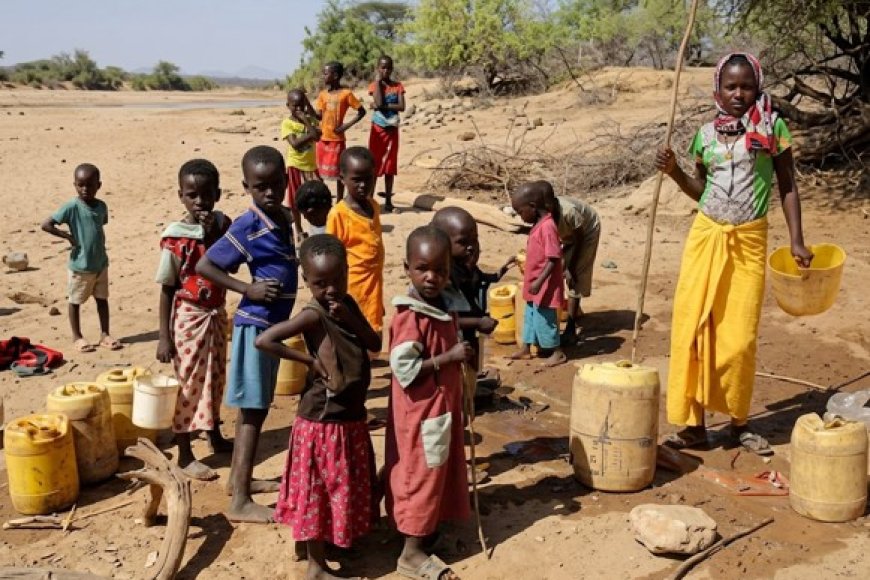
Youngsters fetch water from a hand-dug during a severe dry spell in Kinya village, Samburu County, Kenya, on Oct. 13, 2022. Photo: AP

AU, UN Demand End to Water Weaponization as Child Rights Violations Surge

Jun 17, 2026 - 20:46
 0

The African Union (AU) and the United Nations (UN) issued a joint demand on June 16, calling for an immediate end to the intentional destruction and weaponization of water systems against children in African war zones.


On the occasion of the Day of the African Child 2026, AU Special Envoy Ambassador Jainaba Jagne and UN Under-Secretary-General Vanessa Frazier warned that basic water, sanitation, and hygiene (WASH) infrastructure has become a primary target in modern conflicts, leaving a significant number of children at catastrophic risk of death from hunger, acute malnutrition, and waterborne diseases.

The warning comes as UN-verified severe violations against children have reached unprecedented heights, exceeding 41,300 in recent cycles—a staggering 25 percent increase.

Armed groups are actively dismantling life-sustaining infrastructure, blocking humanitarian access, and using water deprivation as an illegal tactic of warfare.

“Access to water must never be deliberately denied, contaminated or instrumentalised in ways that endanger children,” stated  in the joint statement.

The breakdown of these vital networks has triggered severe health crises across hyper-conflict zones.

Envoys highlighted the active outbreak of the Bundibugyo strain of Ebola in the eastern Democratic Republic of the Congo (DRC) as a deadly consequence of collapsed infrastructure.

Declared a Public Health Emergency of International Concern in May 2026, the epidemic has rapidly spread across more than 25 health zones in Ituri, North Kivu, and South Kivu.

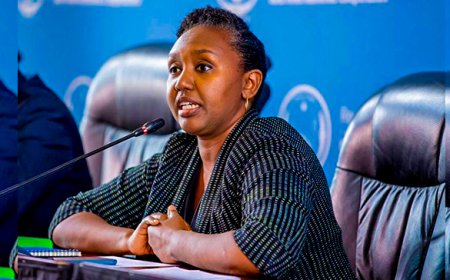
“Protecting children in conflict means protecting the systems that keep them alive,” said Under-Secretary-General Vanessa Frazier as reads statement.

“When water and sanitation systems are attacked, obstructed or allowed to collapse, children face disease, displacement, school disruption, sexual violence, exploitation and other cascading harms. Compliance with international law, prevention, humanitarian access and accountability must remain at the centre of our collective response,” she added.

The joint statement noted that the collapse of water infrastructure carries severe, gendered protection risks.

The AU and UN noted that in regions like the Lake Chad Basin, the Sahel, the Horn of Africa and other regions facing conflict and water insecurity, ecological degradation, displacement, livelihood disruption and pressure on community systems are converging in ways that heighten children’s protection risks.

“For girls in conflict and humanitarian settings, unsafe or inadequate WASH can turn daily survival into exposure to harm. Long distances to water points, unsafe routes, lack of private and sex-segregated sanitation, inadequate menstrual hygiene management and the absence of lighting or protective measures can deepen school exclusion, heighten exposure to sexual violence and exploitation, and undermine dignity, health and participation,” read the statement.

Furthermore, the recruitment of children by armed groups, abductions, and arbitrary detentions continue to cut vulnerable youth off from safe and dignified sanitation facilities.

“For Africa’s children affected by conflict, WASH is not peripheral to peace and security. It is central to survival, dignity, protection and recovery,” said the AU Special Envoy Ambassador Jainaba.

Adding, “the Day of the African Child 2026 must move us from commitments to implementation, through stronger Member State action, child-sensitive early warning, protection of essential infrastructure and climate-resilient recovery.”

Both leaders urged AU Member States to transition from legal recognition to direct enforcement.

Under Article 14 recognises every child’s right to the best attainable state of health, including the provision of safe drinking water and support for hygiene and environmental sanitation, while Article 22 reinforces the special protection owed to children affected by armed conflict.

The envoys demanded that governments establish child-friendly accountability mechanisms to document, investigate, and urgently address attacks on essential civilian infrastructure.

“We commit to strengthening the cooperation between the AU and the UN on children and armed conflict, recognizing the urgent need to end and prevent grave violations against children across Africa. Children and armed conflict must be at the centre of peace and security efforts, including in analysis, early warning, mediation, humanitarian advocacy, peace support operations, recovery planning, and accountability efforts.

We further emphasize that responses for the protection of conflict-affected children must address WASH-related risks,” the envoys noted.
AU, UN Demand End to Water Weaponization as Child Rights Violations Surge

Jun 17, 2026 - 20:46
Jun 18, 2026 - 09:37
 0
AU, UN Demand End to Water Weaponization as Child Rights Violations Surge
Youngsters fetch water from a hand-dug during a severe dry spell in Kinya village, Samburu County, Kenya, on Oct. 13, 2022. Photo: AP

The African Union (AU) and the United Nations (UN) issued a joint demand on June 16, calling for an immediate end to the intentional destruction and weaponization of water systems against children in African war zones.


On the occasion of the Day of the African Child 2026, AU Special Envoy Ambassador Jainaba Jagne and UN Under-Secretary-General Vanessa Frazier warned that basic water, sanitation, and hygiene (WASH) infrastructure has become a primary target in modern conflicts, leaving a significant number of children at catastrophic risk of death from hunger, acute malnutrition, and waterborne diseases.

The warning comes as UN-verified severe violations against children have reached unprecedented heights, exceeding 41,300 in recent cycles—a staggering 25 percent increase.

Armed groups are actively dismantling life-sustaining infrastructure, blocking humanitarian access, and using water deprivation as an illegal tactic of warfare.

“Access to water must never be deliberately denied, contaminated or instrumentalised in ways that endanger children,” stated  in the joint statement.

The breakdown of these vital networks has triggered severe health crises across hyper-conflict zones.

Envoys highlighted the active outbreak of the Bundibugyo strain of Ebola in the eastern Democratic Republic of the Congo (DRC) as a deadly consequence of collapsed infrastructure.

Declared a Public Health Emergency of International Concern in May 2026, the epidemic has rapidly spread across more than 25 health zones in Ituri, North Kivu, and South Kivu.

“Protecting children in conflict means protecting the systems that keep them alive,” said Under-Secretary-General Vanessa Frazier as reads statement.

“When water and sanitation systems are attacked, obstructed or allowed to collapse, children face disease, displacement, school disruption, sexual violence, exploitation and other cascading harms. Compliance with international law, prevention, humanitarian access and accountability must remain at the centre of our collective response,” she added.

The joint statement noted that the collapse of water infrastructure carries severe, gendered protection risks.

The AU and UN noted that in regions like the Lake Chad Basin, the Sahel, the Horn of Africa and other regions facing conflict and water insecurity, ecological degradation, displacement, livelihood disruption and pressure on community systems are converging in ways that heighten children’s protection risks.

“For girls in conflict and humanitarian settings, unsafe or inadequate WASH can turn daily survival into exposure to harm. Long distances to water points, unsafe routes, lack of private and sex-segregated sanitation, inadequate menstrual hygiene management and the absence of lighting or protective measures can deepen school exclusion, heighten exposure to sexual violence and exploitation, and undermine dignity, health and participation,” read the statement.

Furthermore, the recruitment of children by armed groups, abductions, and arbitrary detentions continue to cut vulnerable youth off from safe and dignified sanitation facilities.

“For Africa’s children affected by conflict, WASH is not peripheral to peace and security. It is central to survival, dignity, protection and recovery,” said the AU Special Envoy Ambassador Jainaba.

Adding, “the Day of the African Child 2026 must move us from commitments to implementation, through stronger Member State action, child-sensitive early warning, protection of essential infrastructure and climate-resilient recovery.”

Both leaders urged AU Member States to transition from legal recognition to direct enforcement.

Under Article 14 recognises every child’s right to the best attainable state of health, including the provision of safe drinking water and support for hygiene and environmental sanitation, while Article 22 reinforces the special protection owed to children affected by armed conflict.

The envoys demanded that governments establish child-friendly accountability mechanisms to document, investigate, and urgently address attacks on essential civilian infrastructure.

“We commit to strengthening the cooperation between the AU and the UN on children and armed conflict, recognizing the urgent need to end and prevent grave violations against children across Africa. Children and armed conflict must be at the centre of peace and security efforts, including in analysis, early warning, mediation, humanitarian advocacy, peace support operations, recovery planning, and accountability efforts.

We further emphasize that responses for the protection of conflict-affected children must address WASH-related risks,” the envoys noted.