
Rwanda’s Spokesperson denies sanction-linked troop withdrawal in Mozambique
Rwanda’s Spokesperson denies sanction-linked troop withdrawal in Mozambique

Apr 2, 2026 - 17:00
 0

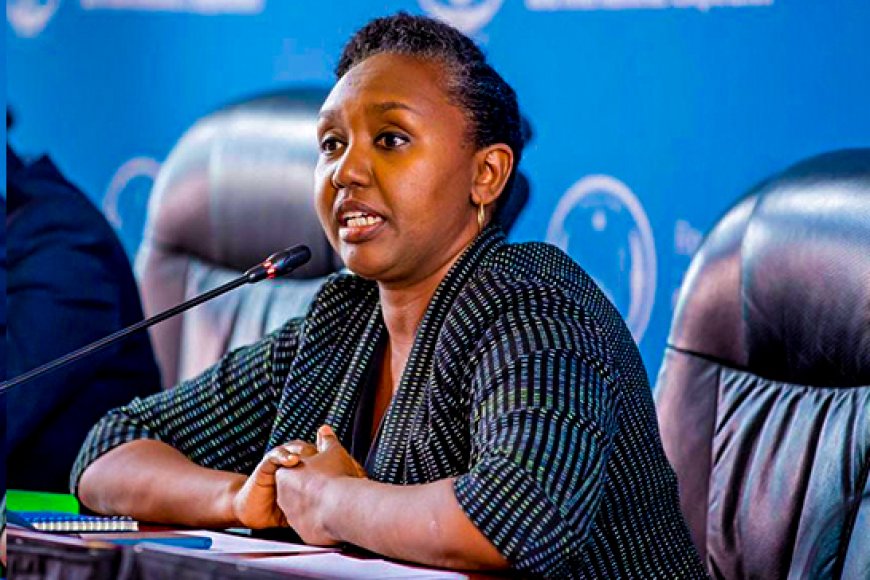
The Government of Rwanda’s Spokesperson Yolande Makolo, has denied media reports suggesting it threatened to halt its counter-terrorism operations in Mozambique over U.S. sanctions, clarifying that its 6,300-personnel remains in Cabo Delgado as a “strategic necessity.”


 On her official X account, Makolo described claims of a withdrawal as “hallucinations” and “unethical reporting.”

She argued that the mission, which has expanded significantly since 2021, requires a more equitable funding model after Rwanda has “shouldered the bulk of the financial burden.”

Her statement follows articles from Le Monde and The Wall Street Journal (WSJ) which claimed Kigali was annoyed by diplomatic pressure. Makolo stated that Rwanda’s stance on sustainable financing is a matter of public record and entirely unrelated to recent U.S. State Department meetings held in Washington D.C.

“This common-sense position is a matter of public record and is unrelated to news reports from anonymous sources,” Makolo said in a post on her X account.

She specifically targeted reporting by the WSJ, calling it a result of “baseless speculations.”

The spokesperson clarified that a Rwandan delegation visited Washington in March for scheduled meetings regarding the Washington Peace Agreement. She denied that any threats to withdraw troops were made during those sessions.

“No comments of the sort you mention, in one of several hallucinations you report, were uttered by our ambassador to the U.S.,” Makolo said, addressing the WSJ.

Addressing the financial logistics of the mission, Makolo noted that Rwanda is not looking to the European Union for its own payroll. She stated that Rwanda “has not and will not seek additional funds from the European Peace Facility,” adding that such funding is a matter for Mozambique.

She emphasised that the responsibility for sustainable financing should fall on the host government and international partners who have major investments in the region. She pointed out that the massive gas projects in Cabo Delgado benefit “European and global energy security/interests, not Rwanda's.”

Current personnel numbers in the province have reached 6,300, a steep rise from the 2,000 troops initially deployed in 2021. Makolo attributed this increase to the “necessity of filling the security vacuum” left after the SADC Mission in Mozambique (SAMIM) withdrew in 2024.

Despite the friction over financing, the spokesperson maintained that the mission has been a success for the local population. She noted that ISIS-affiliated terrorists have been defeated in key areas, allowing residents to return to their homes.

“The bottom line is: ISIS attacks mainly victimized Mozambican civilians, and they have been the biggest beneficiaries of the joint security mission,” Makolo said.
Rwanda’s Spokesperson denies sanction-linked troop withdrawal in Mozambique

Apr 2, 2026 - 17:00
Apr 2, 2026 - 18:36
 0
Rwanda’s Spokesperson denies sanction-linked troop withdrawal in Mozambique

The Government of Rwanda’s Spokesperson Yolande Makolo, has denied media reports suggesting it threatened to halt its counter-terrorism operations in Mozambique over U.S. sanctions, clarifying that its 6,300-personnel remains in Cabo Delgado as a “strategic necessity.”


 On her official X account, Makolo described claims of a withdrawal as “hallucinations” and “unethical reporting.”

She argued that the mission, which has expanded significantly since 2021, requires a more equitable funding model after Rwanda has “shouldered the bulk of the financial burden.”

Her statement follows articles from Le Monde and The Wall Street Journal (WSJ) which claimed Kigali was annoyed by diplomatic pressure. Makolo stated that Rwanda’s stance on sustainable financing is a matter of public record and entirely unrelated to recent U.S. State Department meetings held in Washington D.C.

“This common-sense position is a matter of public record and is unrelated to news reports from anonymous sources,” Makolo said in a post on her X account.

She specifically targeted reporting by the WSJ, calling it a result of “baseless speculations.”

The spokesperson clarified that a Rwandan delegation visited Washington in March for scheduled meetings regarding the Washington Peace Agreement. She denied that any threats to withdraw troops were made during those sessions.

“No comments of the sort you mention, in one of several hallucinations you report, were uttered by our ambassador to the U.S.,” Makolo said, addressing the WSJ.

Addressing the financial logistics of the mission, Makolo noted that Rwanda is not looking to the European Union for its own payroll. She stated that Rwanda “has not and will not seek additional funds from the European Peace Facility,” adding that such funding is a matter for Mozambique.

She emphasised that the responsibility for sustainable financing should fall on the host government and international partners who have major investments in the region. She pointed out that the massive gas projects in Cabo Delgado benefit “European and global energy security/interests, not Rwanda's.”

Current personnel numbers in the province have reached 6,300, a steep rise from the 2,000 troops initially deployed in 2021. Makolo attributed this increase to the “necessity of filling the security vacuum” left after the SADC Mission in Mozambique (SAMIM) withdrew in 2024.

Despite the friction over financing, the spokesperson maintained that the mission has been a success for the local population. She noted that ISIS-affiliated terrorists have been defeated in key areas, allowing residents to return to their homes.

“The bottom line is: ISIS attacks mainly victimized Mozambican civilians, and they have been the biggest beneficiaries of the joint security mission,” Makolo said.