 English
 Kinyarwanda

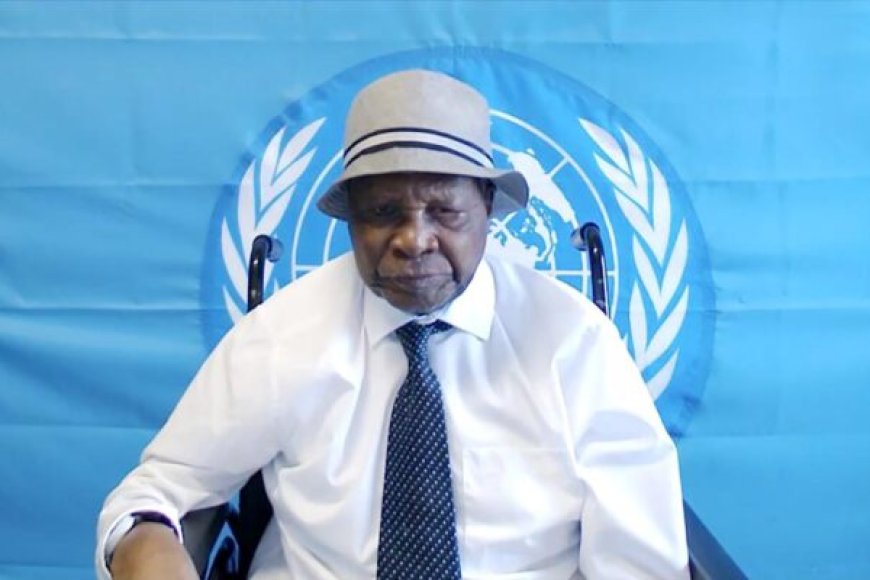
Genocide Suspect Félicien Kabuga Dies, UN Orders Full Inquiry
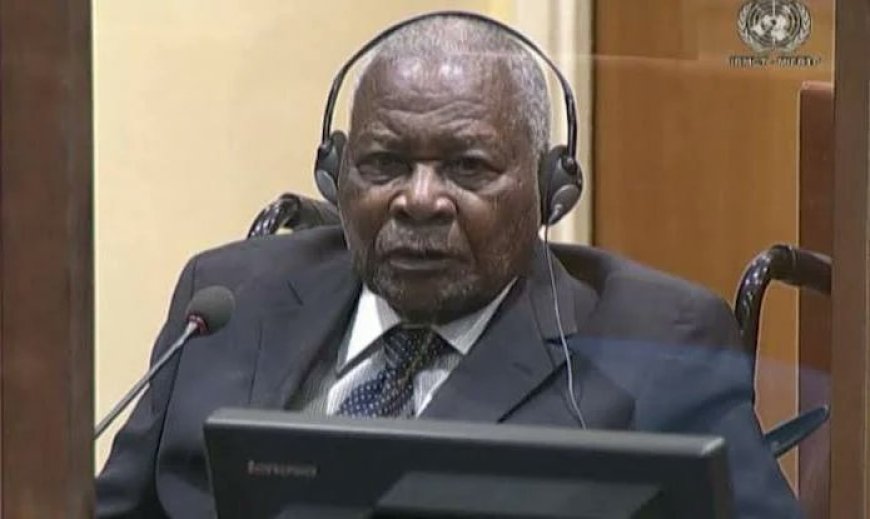
Félicien Kabuga, the prominent Rwandan businessman accused of playing a role in the 1994 genocide against the Tutsi, has died while hospitalized in The Hague, United Nations officials announced Saturday, May 16.
Following his passing, the UN court immediately ordered a formal investigation into the circumstances of his death.
The International Residual Mechanism for Criminal Tribunals (IRMCT) confirmed the news in an official statement, noting that “Mr. Félicien Kabuga passed away today while hospitalized in The Hague, The Netherlands.”
The Medical Officer of the United Nations Detention Unit (UNDU) was promptly notified of the death, and Dutch national authorities have launched standard investigation procedures.
In response to the development, Judge Graciela Gatti Santana, the President of the Mechanism, exercised her authority under the tribunal's statute and Rules of Detention to initiate an internal judicial probe.
According to the court, the president “has ordered a full inquiry into the circumstances surrounding Mr. Kabuga’s death, assigning Judge Alphons Orie to conduct the inquiry.”
Kabuga, one of the most high-profile figures linked to the atrocities in Rwanda, faced international charges.
The tribunal noted that he “was charged with genocide, conspiracy to commit genocide, incitement to genocide, and crimes against humanity, including persecution, extermination, and murder, committed during the 1994 genocide against the Tutsi in Rwanda.”
An arrest warrant was originally issued by the International Criminal Tribunal for Rwanda (ICTR) on 29 April 2013. After years on the run, Kabuga was arrested on 16 May 2020 in France and transferred to the Hague branch of the Mechanism on 26 October 2020. His trial formally began on 29 September 2022.
However, survivors of the genocide were denied a final verdict. On 8 September 2023, following an Appeals Chamber decision, the Trial Chamber “issued a decision indefinitely staying the proceedings as Mr. Kabuga was considered unfit to stand trial”.
The court had ordered him to remain in detention at the UNDU while his legal team sought his release.
Officials confirmed that at the time of his death, Mr. Kabuga “was awaiting provisional release to a State willing to accept him on its territory.”
The court overseeing the case was established by the United Nations Security Council under resolution 1966 on 22 December 2010.
The Mechanism was created “to continue the jurisdiction, rights, obligations and essential functions” of both the ICTR and the International Criminal Tribunal for the former Yugoslavia (ICTY), which officially closed in 2015 and 2017, respectively.