
DR Congo: Prisoner Exchange Deadline Passes Without Implementation

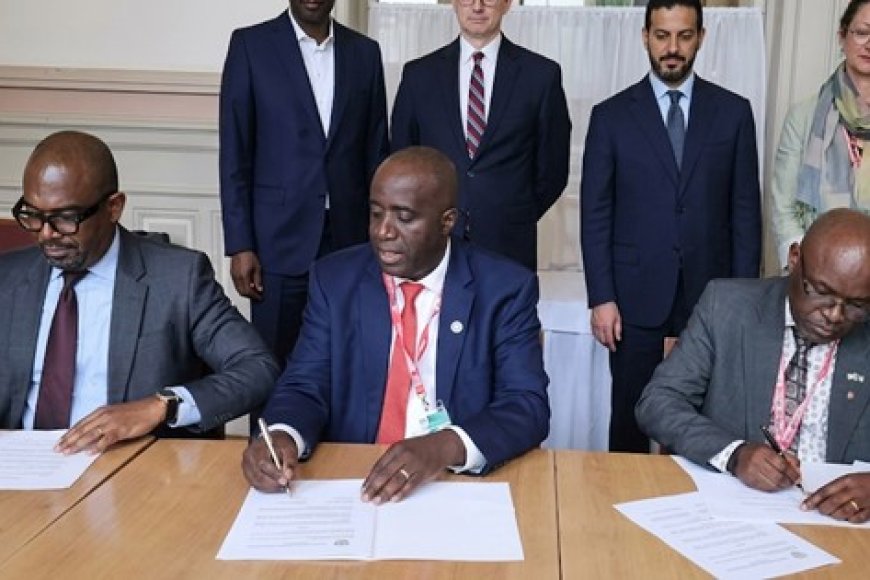
Heads of delegations from AFCM23 and the government of the Democratic Republic of the Congo sign agreements during talks held in Montreux, Switzerland.

DR Congo: Prisoner Exchange Deadline Passes Without Implementation

Apr 29, 2026 - 10:39
 0

The deadline for prisoner exchange between the Congolese government and the AFC/M23 movement has expired without action, marking the failure in the Qatar-mediated peace process.


The exchange was a central agreement reached during the ninth round of peace talks held in Montreux, Switzerland, from April 13-17. Both parties had committed to an April 26 deadline for the release of 311 AFC/M23 detainees held by the government and 166 prisoners held by the rebel movement.

However, as of Tuesday, April 28, no prisoners had been moved.

AFC/M23 spokesperson Oscar Balinda told The New Times that the movement has finalized its side of the arrangement and is currently waiting on the International Committee of the Red Cross (ICRC) to facilitate the logistics.

“We have completed preparations to release those held on our side and we are waiting for the ICRC to proceed with their transfer to Kinshasa,” Balinda said on Tuesday.

While the rebel movement claims readiness, Balinda noted a total lack of communication from the Congolese government regarding the detainees held in the capital.

“As for our people detained in Kinshasa, the deadline passed without any update shared with us,” he said.

The missed deadline comes only days after both sides reaffirmed their dedication to the November 2025 Doha Framework for a Comprehensive Peace Agreement.

The prisoner swap is viewed by mediators as a critical confidence-building measure to de-escalate the conflict that began in late 2021.

Balinda suggested that the delay is part of a "broader pattern of non-compliance" by the Kinshasa regime.

“We have roughly released 8000 of Kinshasa prisoners at different times. These are Congolese, and if they choose to go back to their homes and families, we cannot keep holding them in our controlled areas as prisoners,” he noted.

“The failure to implement this commitment by the Kinshasa regime speaks to their continuous failure to adhere to their commitments for peace,” he added.

Despite the setback, the AFC/M23 stated it remains committed to its obligations toward a peaceful resolution. However, the situation on the ground remains volatile.

The prisoner exchange is one of three initial protocols—including a ceasefire and humanitarian access—none of which have been implemented to date.

Balinda further accused government forces of maintaining hostilities despite the diplomatic efforts in Switzerland.

“Nothing significant has changed since the talks in Switzerland because the government continues to attack us. We hope the ceasefire verification team can speed up the process to observe the ceasefire,” he said.

Under the Doha process, the Expanded Joint Verification Mechanism (EJVM+) is responsible for overseeing ceasefire compliance. However, the mechanism remains stalled as members have yet to be deployed to the affected regions.
DR Congo: Prisoner Exchange Deadline Passes Without Implementation

Apr 29, 2026 - 10:39
 0
DR Congo: Prisoner Exchange Deadline Passes Without Implementation
Heads of delegations from AFCM23 and the government of the Democratic Republic of the Congo sign agreements during talks held in Montreux, Switzerland.

The deadline for prisoner exchange between the Congolese government and the AFC/M23 movement has expired without action, marking the failure in the Qatar-mediated peace process.


The exchange was a central agreement reached during the ninth round of peace talks held in Montreux, Switzerland, from April 13-17. Both parties had committed to an April 26 deadline for the release of 311 AFC/M23 detainees held by the government and 166 prisoners held by the rebel movement.

However, as of Tuesday, April 28, no prisoners had been moved.

AFC/M23 spokesperson Oscar Balinda told The New Times that the movement has finalized its side of the arrangement and is currently waiting on the International Committee of the Red Cross (ICRC) to facilitate the logistics.

“We have completed preparations to release those held on our side and we are waiting for the ICRC to proceed with their transfer to Kinshasa,” Balinda said on Tuesday.

While the rebel movement claims readiness, Balinda noted a total lack of communication from the Congolese government regarding the detainees held in the capital.

“As for our people detained in Kinshasa, the deadline passed without any update shared with us,” he said.

The missed deadline comes only days after both sides reaffirmed their dedication to the November 2025 Doha Framework for a Comprehensive Peace Agreement.

The prisoner swap is viewed by mediators as a critical confidence-building measure to de-escalate the conflict that began in late 2021.

Balinda suggested that the delay is part of a "broader pattern of non-compliance" by the Kinshasa regime.

“We have roughly released 8000 of Kinshasa prisoners at different times. These are Congolese, and if they choose to go back to their homes and families, we cannot keep holding them in our controlled areas as prisoners,” he noted.

“The failure to implement this commitment by the Kinshasa regime speaks to their continuous failure to adhere to their commitments for peace,” he added.

Despite the setback, the AFC/M23 stated it remains committed to its obligations toward a peaceful resolution. However, the situation on the ground remains volatile.

The prisoner exchange is one of three initial protocols—including a ceasefire and humanitarian access—none of which have been implemented to date.

Balinda further accused government forces of maintaining hostilities despite the diplomatic efforts in Switzerland.

“Nothing significant has changed since the talks in Switzerland because the government continues to attack us. We hope the ceasefire verification team can speed up the process to observe the ceasefire,” he said.

Under the Doha process, the Expanded Joint Verification Mechanism (EJVM+) is responsible for overseeing ceasefire compliance. However, the mechanism remains stalled as members have yet to be deployed to the affected regions.