
Kwibuka32: Remembering, Reflecting, and Renewing the Commitment to “Never Again”

Kwibuka32: Remembering, Reflecting, and Renewing the Commitment to “Never Again”

Apr 7, 2026 - 01:01
 0

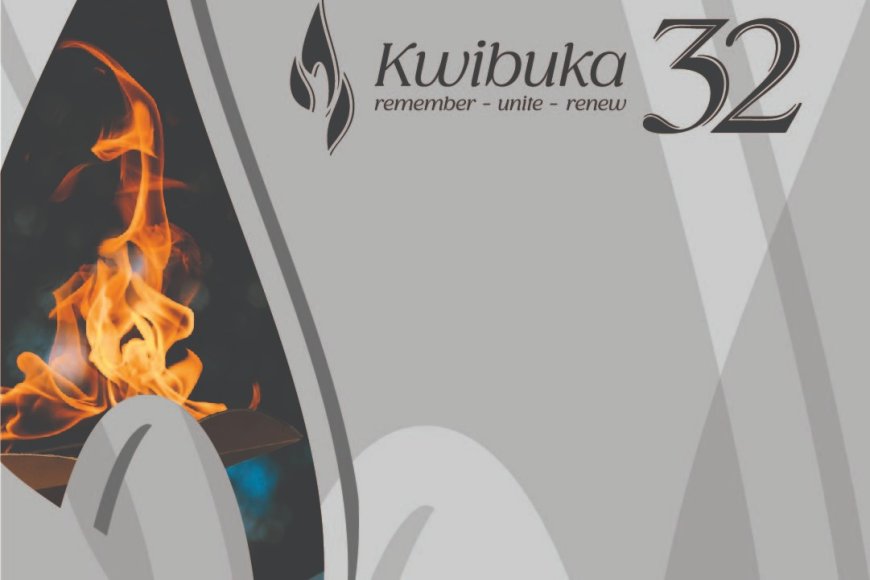
Today, 7 April, Rwanda and the international community begin the 32nd 100-day commemoration of the Genocide against the Tutsi, in which more than one million lives were lost in 1994.


Known as Kwibuka32, this period of remembrance is observed annually over 100 days—the same duration during which the genocide was carried out. It is a time for reflection, honouring the memory of the victims, and standing in solidarity with survivors.

The commemoration officially begins with a national ceremony at the Kigali Genocide Memorial, where leaders, members of the diplomatic corps, representatives of national and international organizations, friends of Rwanda, and citizens gather to lay wreaths, light the Flame of Remembrance, and observe moments of silence. Throughout the 100 days, activities include testimonies from survivors, community dialogues, night vigils, and educational programmes aimed at preserving memory and strengthening unity.

At the offices of multilateral organizations such as the African Union and the United Nations, as well as at Rwanda’s embassies abroad, Kwibuka ceremonies are held to reaffirm the commitment to “Never Again.”

Participating in media programmes ahead of Kwibuka32, Jean-Damascène Bizimana emphasized that remembering is inseparable from action. He warned against the persistence of genocide ideology, particularly in digital spaces and across borders, stressing the need for vigilance, education, and accountability. He noted that “Preventing such ideology requires collective responsibility, rooted in truth, historical awareness, and the active rejection of divisionism.”

Thirty-two years on, Rwanda has made significant progress in rebuilding unity and resilience after the genocide.

In its reflections on Kwibuka32 through a statement published on its website on 6 April, the Survivors Fund (SURF) calls on younger generations to carry forward this legacy.

“It now falls to new generations to sustain and carry forward this progress, adapting to today’s global challenges to achieve our aspirations,” the statement leads.

SURF emphasises that Kwibuka32 marks a generational milestone and a moment to reflect on Rwanda’s journey of rebuilding strength, resilience, and unity, while adapting to contemporary global challenges.

Kwibuka32 serves not only as a period of mourning, but also as a call to renew global commitment to preventing genocide. Rwanda’s journey underscores a powerful lesson that remembrance, unity, and resilience are essential to ensuring that “Never Again” is not just a phrase, but a sustained and shared responsibility.




Kwibuka32: Remembering, Reflecting, and Renewing the Commitment to “Never Again”

Apr 7, 2026 - 01:01
 0
Kwibuka32: Remembering, Reflecting, and Renewing the Commitment to “Never Again”

Today, 7 April, Rwanda and the international community begin the 32nd 100-day commemoration of the Genocide against the Tutsi, in which more than one million lives were lost in 1994.


Known as Kwibuka32, this period of remembrance is observed annually over 100 days—the same duration during which the genocide was carried out. It is a time for reflection, honouring the memory of the victims, and standing in solidarity with survivors.

The commemoration officially begins with a national ceremony at the Kigali Genocide Memorial, where leaders, members of the diplomatic corps, representatives of national and international organizations, friends of Rwanda, and citizens gather to lay wreaths, light the Flame of Remembrance, and observe moments of silence. Throughout the 100 days, activities include testimonies from survivors, community dialogues, night vigils, and educational programmes aimed at preserving memory and strengthening unity.

At the offices of multilateral organizations such as the African Union and the United Nations, as well as at Rwanda’s embassies abroad, Kwibuka ceremonies are held to reaffirm the commitment to “Never Again.”

Participating in media programmes ahead of Kwibuka32, Jean-Damascène Bizimana emphasized that remembering is inseparable from action. He warned against the persistence of genocide ideology, particularly in digital spaces and across borders, stressing the need for vigilance, education, and accountability. He noted that “Preventing such ideology requires collective responsibility, rooted in truth, historical awareness, and the active rejection of divisionism.”

Thirty-two years on, Rwanda has made significant progress in rebuilding unity and resilience after the genocide.

In its reflections on Kwibuka32 through a statement published on its website on 6 April, the Survivors Fund (SURF) calls on younger generations to carry forward this legacy.

“It now falls to new generations to sustain and carry forward this progress, adapting to today’s global challenges to achieve our aspirations,” the statement leads.

SURF emphasises that Kwibuka32 marks a generational milestone and a moment to reflect on Rwanda’s journey of rebuilding strength, resilience, and unity, while adapting to contemporary global challenges.

Kwibuka32 serves not only as a period of mourning, but also as a call to renew global commitment to preventing genocide. Rwanda’s journey underscores a powerful lesson that remembrance, unity, and resilience are essential to ensuring that “Never Again” is not just a phrase, but a sustained and shared responsibility.