 English
 Kinyarwanda

Ahead of Kwibuka32, PM Nsengiyumva reaffirms fight against genocide ideologies

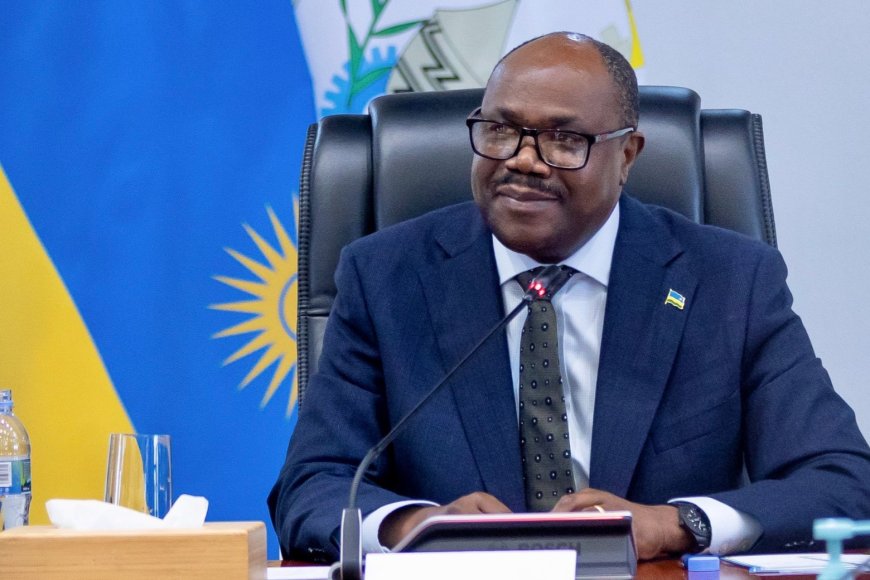
Prime Minister Justin Nsengiyumva on Friday urged that Rwandans must keep fighting against genocide ideology, warning that the threat is resurging within the Great Lakes region.
Speaking at a press conference in Kigali on April 3, the Prime Minister’s remarks come as Rwanda and the international community prepare for the 32nd commemoration of the 1994 Genocide against the Tutsi, which begins on April 7.
The Prime Minister highlighted a “worrying situation” where certain neighboring governments are allegedly mobilizing citizens around genocide ideologies.
He noted that these actions pose a direct risk to Tutsi communities, particularly in eastern DR Congo, where government forces and the FDLR militia continue to carry out attacks.
“In the region, in some neighboring countries, there are governments that openly support the ideology of genocide, even putting effort into it and mobilising their citizens around this ideology. This is a worrying situation,” Nsengiyumva said.
The FDLR, a militia founded by the forces that perpetrated the 1994 Genocide against the Tutsi, remains a persistent threat in the region. The Prime Minister noted that these groups, alongside government forces in eastern DR Congo, continue to target Tutsi communities.
Despite the regional tension, Nsengiyumva emphasized that Rwanda must not be discouraged. He stated that the country will continue to stand firm, openly condemning those who hold divisive ideas and opposing them with consistency.
The Prime Minister reminded the public that the fight against genocide ideology is a never-ending responsibility.
“But the government will continue to put effort into fighting it in every way possible,” the Prime Minister said.
To combat the spread of such ideologies, the government is focusing heavily on the next generation. Nsengiyumva explained that educational initiatives are central to the nation's long-term strategy.
“Many measures are being implemented, including campaigns to educate young people about history in an unbiased and accurate way. This is work that will continue, and we as Rwandans must put in effort and remain consistent,” he added.