 English
 Kinyarwanda

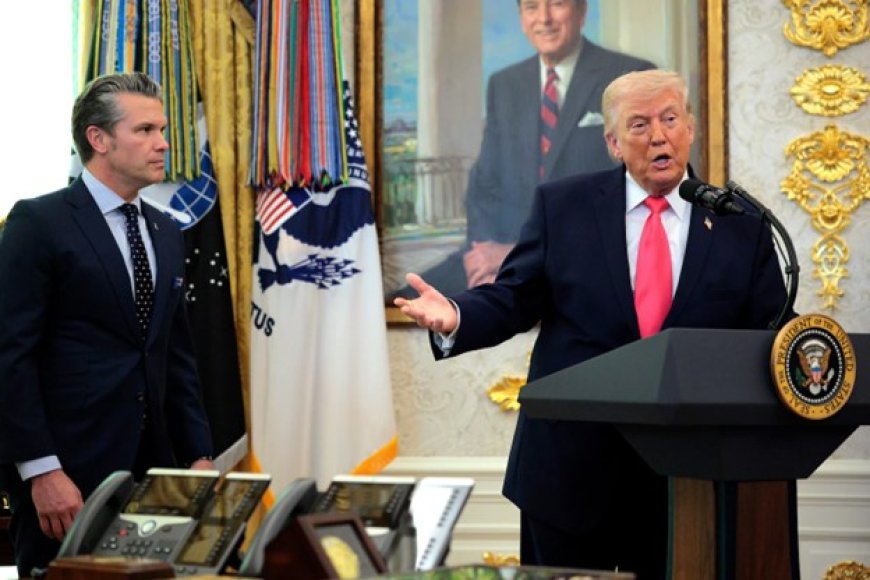
Tehran denies progress in peace talks as Trump declares war ‘won’

President Donald Trump declared on Tuesday that the United States has already won the war in Iran and achieved "regime change," even as Tehran continues to reject U.S. peace terms and retaliatory strikes persist across the region.
Speaking from the Oval Office, the President claimed that three weeks of intense U.S. and Israeli airstrikes have effectively replaced the Iranian government by eliminating its top leadership.
However, despite Trump's insistence that the two sides have reached "points of major agreement," Iranian officials have signaled they are nowhere near a deal, demanding compensation for war damages while refusing to give up their nuclear and missile programs.
President Trump presented the conflict as a completed mission. He argued that because many of Iran’s original senior leaders are dead, the government has been fundamentally altered.
“We have really regime change, you know. This is a change in the regime, because the leaders are all very different than the ones that we started off with that created all those problems,” Trump said.
He added, “We've won this war. This war has been won.”
The President also claimed that high-level discussions with new Iranian figures are going well. “We're talking to the right leaders, and they want to make a deal so badly,” he said.
A gap in negotiations
Despite the President's optimism, the actual progress of peace talks remains in doubt. While countries like Egypt, Pakistan, and Turkey are trying to broker a ceasefire, Iranian officials have remained firm on their core positions.
According to reports, Tehran has rejected several major U.S. demands, including stopping all uranium enrichment, handing over its entire stockpile of highly enriched uranium, cutting back its ballistic missile program, and ending support for regional militant groups.
Furthermore, Iranian officials are demanding assurances and money for the damage caused by the airstrikes. While Trump suggested a direct meeting could happen “very, very soon” in Islamabad, no final decision has been made.
The military toll
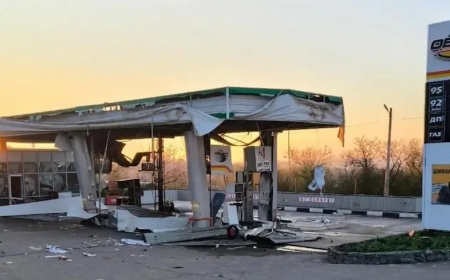
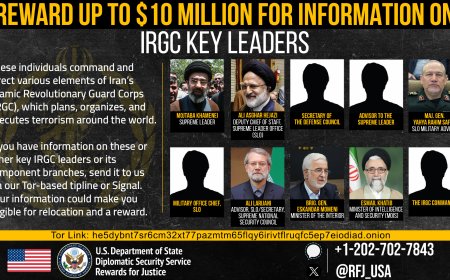
On the ground, the military has been devastated. Tens of thousands of airstrikes have destroyed weapons factories, storage sites, and missile launchers. Many key leaders, including the Supreme Leader Ayatollah Ali Khamenei and security chief Ali Larijani, have been killed.
Joel Rayburn, a former senior White House official, noted that the military balance has shifted completely.
“The Iranians have been stripped of almost all their military capabilities except drones, and those aren't enough to tip the strategic balance,” Rayburn said. “We are seeing Iranian weakness exposed in real time.”
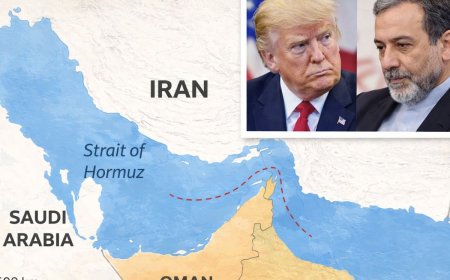
The U.S. is still mobilizing additional ground troops while waiting to see if Iran will reopen the Strait of Hormuz. A former official noted that the goal is to stop the cycle of violence.
Noting that strikes from both sides are likely to continue “until negotiations can formally begin,” the official said that “the expectation is to move from a phase of reciprocal military strikes to de-escalation, then to calm, followed by a complete end to the war and ultimately toward negotiations that yield a lasting peace.”