
Humanitarian Leaders Condemn Surge in Killings of Aid Workers Across Global Conflicts
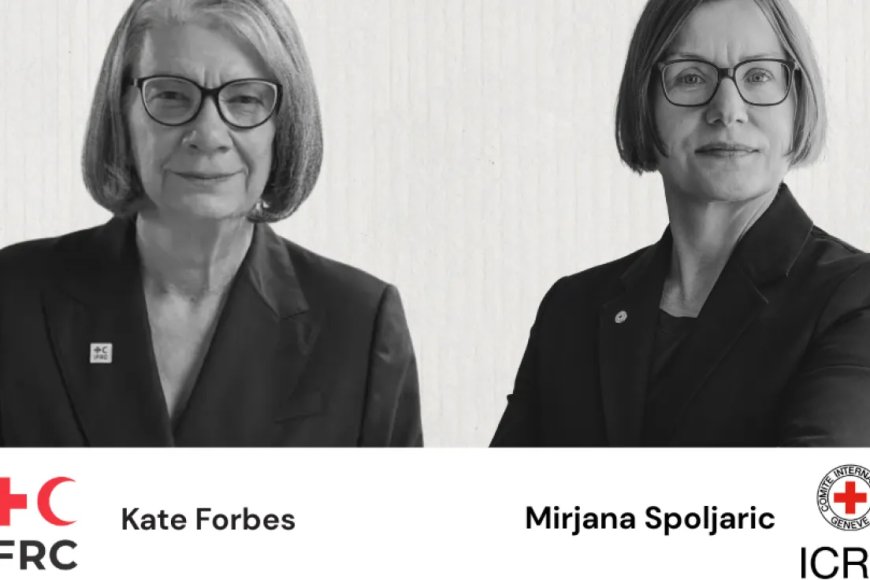
Photo: ICRC via the website

Humanitarian Leaders Condemn Surge in Killings of Aid Workers Across Global Conflicts

Mar 14, 2026 - 11:39
 0

Humanitarian leaders have voiced outrage over the continued killing of aid workers in conflict zones, warning that attacks on those delivering lifesaving assistance are putting millions of vulnerable civilians at even greater risk.


In a joint statement, Kate Forbes, president of the International Federation of Red Cross and Red Crescent Societies (IFRC), and Mirjana Spoljaric, president of the International Committee of the Red Cross (ICRC), condemned what they described as a persistent and deadly pattern of violence against humanitarian personnel across multiple conflicts.

“Humanitarian and medical personnel are being caught in the line of fire, putting at risk the lifelines civilians depend on to survive,” the two leaders said, expressing fear that the world could soon witness even more colleagues killed while trying to save lives.

Their warning comes amid escalating hostilities across parts of the Middle East, where humanitarian responders have been working under increasingly dangerous conditions.

In Lebanon, a paramedic from the Lebanese Red Cross died from critical injuries sustained while assisting wounded civilians. Other responders were also injured during the incident. In Iran, staff and volunteers from the Iranian Red Crescent Society were reported among the casualties while helping communities caught in the violence.

Despite the risks, humanitarian workers across the region continue to operate on the frontlines. Volunteers and medical teams from the Magen David Adom in Israel, alongside Red Cross and Red Crescent staff and volunteers in several countries, remain engaged in emergency response efforts, delivering medical care and relief supplies to affected populations.

Humanitarian personnel are protected under International Humanitarian Law, which obliges parties to conflict to ensure their safety and allow them to carry out their work without obstruction. Yet the protections afforded by law have repeatedly been ignored.

The latest incidents follow a particularly shocking episode one year ago, when eight paramedics from the Palestine Red Crescent Society were killed while responding to casualties in Gaza. The attack triggered global outrage but has not prevented further violence against aid workers.

Such attacks are not confined to the Middle East. Just this week, a staff member from UNICEF was killed in a reported drone strike in the Democratic Republic of the Congo, highlighting the widespread dangers faced by humanitarian personnel in conflict zones around the world.

The killings are part of a broader and deeply troubling global trend. According to data from the Aid Worker Security Database and United Nations reports, 2024 was the deadliest year on record for humanitarian workers. A total of 383 aid workers were killed worldwide that year, representing a 31 percent increase from 2023.

Different reporting periods place the figure between 377 and nearly 390 deaths, but all estimates point to the same stark reality: violence against aid workers is escalating at an alarming pace.

As of 14 August 2025, the Aid Worker Security Database had recorded 265 humanitarian workers killed globally. Analysts warn that if the trend continues, the number of deaths in 2026 could surpass the grim record set the previous year.

Much of the violence has been concentrated in the Gaza Strip, widely cited as the deadliest location for humanitarian personnel in recent years.

For the leaders of the global Red Cross and Red Crescent movement, the growing death toll represents not only a humanitarian tragedy but also a profound threat to the assistance that civilians rely on during war.

“When humanitarian workers are protected, so is our shared humanity,” Forbes and Spoljaric said in their statement.

They urged governments and armed groups to take immediate and concrete measures to protect humanitarian and medical personnel and ensure they can operate safely.

“The lives of our teams, and those they serve, depend on it,” they warned.

 

Humanitarian Leaders Condemn Surge in Killings of Aid Workers Across Global Conflicts

Mar 14, 2026 - 11:39
 0
Humanitarian Leaders Condemn Surge in Killings of Aid Workers Across Global Conflicts
Photo: ICRC via the website

Humanitarian leaders have voiced outrage over the continued killing of aid workers in conflict zones, warning that attacks on those delivering lifesaving assistance are putting millions of vulnerable civilians at even greater risk.


In a joint statement, Kate Forbes, president of the International Federation of Red Cross and Red Crescent Societies (IFRC), and Mirjana Spoljaric, president of the International Committee of the Red Cross (ICRC), condemned what they described as a persistent and deadly pattern of violence against humanitarian personnel across multiple conflicts.

“Humanitarian and medical personnel are being caught in the line of fire, putting at risk the lifelines civilians depend on to survive,” the two leaders said, expressing fear that the world could soon witness even more colleagues killed while trying to save lives.

Their warning comes amid escalating hostilities across parts of the Middle East, where humanitarian responders have been working under increasingly dangerous conditions.

In Lebanon, a paramedic from the Lebanese Red Cross died from critical injuries sustained while assisting wounded civilians. Other responders were also injured during the incident. In Iran, staff and volunteers from the Iranian Red Crescent Society were reported among the casualties while helping communities caught in the violence.

Despite the risks, humanitarian workers across the region continue to operate on the frontlines. Volunteers and medical teams from the Magen David Adom in Israel, alongside Red Cross and Red Crescent staff and volunteers in several countries, remain engaged in emergency response efforts, delivering medical care and relief supplies to affected populations.

Humanitarian personnel are protected under International Humanitarian Law, which obliges parties to conflict to ensure their safety and allow them to carry out their work without obstruction. Yet the protections afforded by law have repeatedly been ignored.

The latest incidents follow a particularly shocking episode one year ago, when eight paramedics from the Palestine Red Crescent Society were killed while responding to casualties in Gaza. The attack triggered global outrage but has not prevented further violence against aid workers.

Such attacks are not confined to the Middle East. Just this week, a staff member from UNICEF was killed in a reported drone strike in the Democratic Republic of the Congo, highlighting the widespread dangers faced by humanitarian personnel in conflict zones around the world.

The killings are part of a broader and deeply troubling global trend. According to data from the Aid Worker Security Database and United Nations reports, 2024 was the deadliest year on record for humanitarian workers. A total of 383 aid workers were killed worldwide that year, representing a 31 percent increase from 2023.

Different reporting periods place the figure between 377 and nearly 390 deaths, but all estimates point to the same stark reality: violence against aid workers is escalating at an alarming pace.

As of 14 August 2025, the Aid Worker Security Database had recorded 265 humanitarian workers killed globally. Analysts warn that if the trend continues, the number of deaths in 2026 could surpass the grim record set the previous year.

Much of the violence has been concentrated in the Gaza Strip, widely cited as the deadliest location for humanitarian personnel in recent years.

For the leaders of the global Red Cross and Red Crescent movement, the growing death toll represents not only a humanitarian tragedy but also a profound threat to the assistance that civilians rely on during war.

“When humanitarian workers are protected, so is our shared humanity,” Forbes and Spoljaric said in their statement.

They urged governments and armed groups to take immediate and concrete measures to protect humanitarian and medical personnel and ensure they can operate safely.

“The lives of our teams, and those they serve, depend on it,” they warned.