ICRC calls on states to support humanitarian action

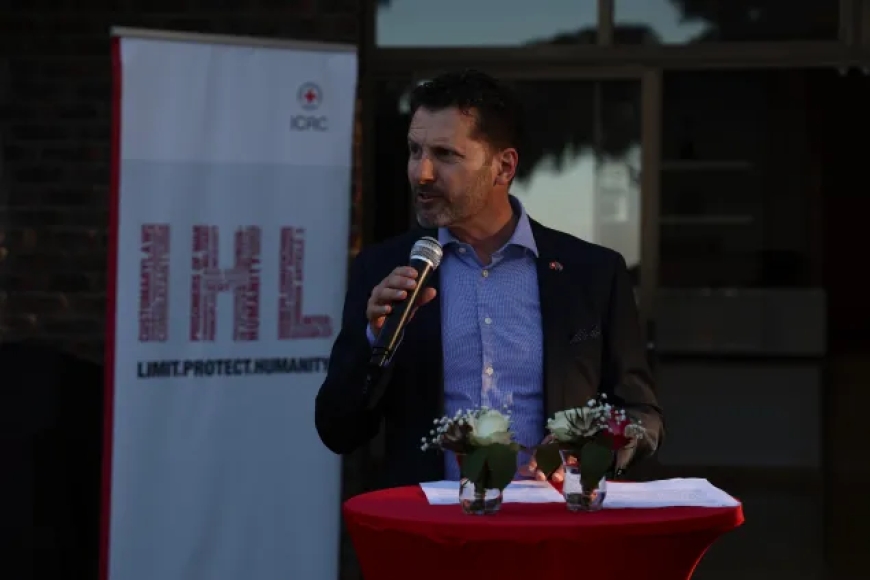
Swiss Ambassador to South Africa Mirko Manzoni delivering his remarks at the launch of the ICRC appeal in Cape Town. Photo: ICRC

ICRC calls on states to support humanitarian action

Feb 20, 2026 - 14:54
 0

Africa is experiencing a worrying surge in armed conflicts, which are not only multiplying but spreading across borders, destabilizing entire regions and worsening the humanitarian crisis amid deep funding cuts.


The International Committee of the Red Cross (ICRC) has launched its annual appeal to fund humanitarian operations in more than 20 African countries in 2026, underscoring the growing scale and complexity of crises across the continent.

According to the appeal, nearly 40% of the ICRC’s global operations and overall budget are dedicated to Africa — a reflection, the organization says, of both mounting humanitarian needs and its long-standing commitment to communities affected by armed conflict.

Beyond financing emergency relief, the appeal also seeks political support from States to strengthen respect for international humanitarian law (IHL), which the ICRC views as essential to protecting civilians and laying the groundwork for lasting peace.

“Around 130 conflicts are underway around the world. How can we turn a blind eye to the devastation of war?” said Mirko Manzoni, Switzerland’s ambassador to South Africa. “A contribution to humanitarian action is a gesture of resistance and hope, reminding us that even in war there must be human rules.”

Conflicts deepening across the continent

Africa is witnessing a troubling intensification of armed violence. Conflicts are not only multiplying but also spreading across borders, destabilizing entire regions and placing immense strain on already fragile communities.

The continent accounts for roughly 40% of the world’s armed conflicts — a figure that mirrors the share of ICRC resources allocated there.

From the Sahel to the Horn of Africa and the Great Lakes region, protracted and escalating violence continues to drive humanitarian emergencies. Countries including Sudan, Democratic Republic of the Congo, Mali, Somalia and South Sudan face overlapping crises that have far-reaching, cross-border consequences.

In many of these contexts, violence has displaced millions of people, both internally and across national frontiers. Access to food, healthcare, water and other essential services remains severely disrupted, while humanitarian agencies grapple with limited funding and growing needs.

“Humanitarian crises continue to be managed, but not addressed,” said Patrick Youssef, the ICRC’s regional director for Africa. “It is essential to strengthen our operational capacity and remedy deficiencies to meet current challenges.”

The ICRC warns that without sustained financial backing and stronger political commitment to uphold humanitarian norms, the gap between needs and available assistance will continue to widen.

As conflicts grow more fragmented and prolonged, the organization says its work — ranging from emergency medical care and food assistance to restoring family links and visiting detainees — remains vital to alleviating suffering. But it stresses that humanitarian aid alone cannot resolve the underlying drivers of violence.

For the ICRC, the 2026 appeal is therefore not only a funding request, but a broader call to action: to protect civilians, reinforce respect for the laws of war, and ensure that even in the midst of conflict, human dignity is upheld.
ICRC calls on states to support humanitarian action

Feb 20, 2026 - 14:54
Feb 20, 2026 - 16:47
 0
ICRC calls on states to support humanitarian action
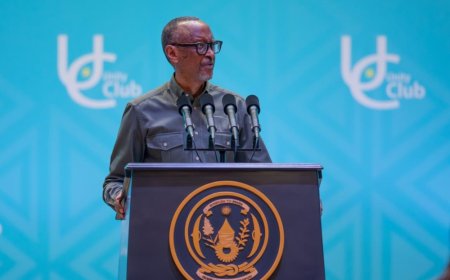
Swiss Ambassador to South Africa Mirko Manzoni delivering his remarks at the launch of the ICRC appeal in Cape Town. Photo: ICRC

Africa is experiencing a worrying surge in armed conflicts, which are not only multiplying but spreading across borders, destabilizing entire regions and worsening the humanitarian crisis amid deep funding cuts.


The International Committee of the Red Cross (ICRC) has launched its annual appeal to fund humanitarian operations in more than 20 African countries in 2026, underscoring the growing scale and complexity of crises across the continent.

According to the appeal, nearly 40% of the ICRC’s global operations and overall budget are dedicated to Africa — a reflection, the organization says, of both mounting humanitarian needs and its long-standing commitment to communities affected by armed conflict.

Beyond financing emergency relief, the appeal also seeks political support from States to strengthen respect for international humanitarian law (IHL), which the ICRC views as essential to protecting civilians and laying the groundwork for lasting peace.

“Around 130 conflicts are underway around the world. How can we turn a blind eye to the devastation of war?” said Mirko Manzoni, Switzerland’s ambassador to South Africa. “A contribution to humanitarian action is a gesture of resistance and hope, reminding us that even in war there must be human rules.”

Conflicts deepening across the continent

Africa is witnessing a troubling intensification of armed violence. Conflicts are not only multiplying but also spreading across borders, destabilizing entire regions and placing immense strain on already fragile communities.

The continent accounts for roughly 40% of the world’s armed conflicts — a figure that mirrors the share of ICRC resources allocated there.

From the Sahel to the Horn of Africa and the Great Lakes region, protracted and escalating violence continues to drive humanitarian emergencies. Countries including Sudan, Democratic Republic of the Congo, Mali, Somalia and South Sudan face overlapping crises that have far-reaching, cross-border consequences.

In many of these contexts, violence has displaced millions of people, both internally and across national frontiers. Access to food, healthcare, water and other essential services remains severely disrupted, while humanitarian agencies grapple with limited funding and growing needs.

“Humanitarian crises continue to be managed, but not addressed,” said Patrick Youssef, the ICRC’s regional director for Africa. “It is essential to strengthen our operational capacity and remedy deficiencies to meet current challenges.”

The ICRC warns that without sustained financial backing and stronger political commitment to uphold humanitarian norms, the gap between needs and available assistance will continue to widen.

As conflicts grow more fragmented and prolonged, the organization says its work — ranging from emergency medical care and food assistance to restoring family links and visiting detainees — remains vital to alleviating suffering. But it stresses that humanitarian aid alone cannot resolve the underlying drivers of violence.

For the ICRC, the 2026 appeal is therefore not only a funding request, but a broader call to action: to protect civilians, reinforce respect for the laws of war, and ensure that even in the midst of conflict, human dignity is upheld.