
Protecting children in war is key to lasting peace, top UN envoy warns

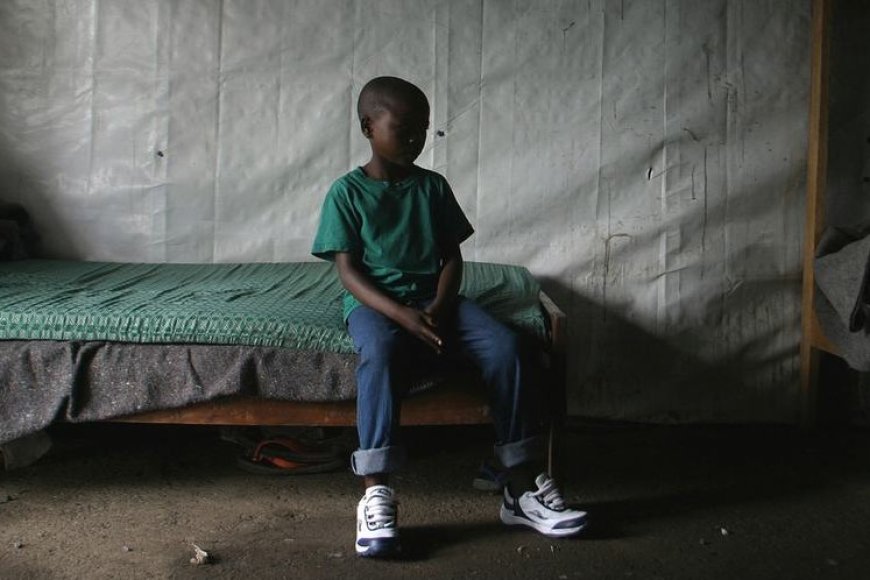
An eleven-year-old boy sits in the dormitory of a reintegration centre for recently demobilized child soldiers in Goma, DR Congo. Photo: UNICEF/Roger LeMoyne

Protecting children in war is key to lasting peace, top UN envoy warns

Feb 13, 2026 - 18:13
 0

The United Nations Special Representative for Children and Armed Conflict, Vanessa Frazier, reflected on the alarming rise in grave violations against children and the urgent need to safeguard their future.


In an exclusive interview with UN News, she revealed: “The recruitment and use of children is still one of the most widespread and devastating violations we face.”

Verified data show that in 2024 alone, over 7,400 children were recruited or used by armed forces and armed groups.

Her office monitors approximately 26 conflict situations around the world, and the numbers tell a grim story.

“Over the last 30 years, we have separated over 220,000 children from armed gangs,” she emphasised.

Frazier explained that the violations are most prevalent in the Democratic Republic of the Congo, Nigeria, Somalia, Syria and Myanmar. Worrying trends are also observed in Sudan, where children are specifically targeted because they are seen as useful as border guards, as workers, even as fighters.

Behind those statistics, she stressed, are young lives forever altered. “Each number in our report represents a child whose innocence has been interrupted,” she said.

Beyond documenting violations, Ms. Frazier’s office engages directly with combatants to negotiate the release of children and their safe return home.

She added that the path to lasting peace begins with protecting and empowering those same children.

“The sustainability of peace depends on children’s right to take it forward. When they are brought back from conflict, they must have access to education and the chance to be fully integrated into society to aspire to become doctors, nurses, lawyers, politicians, engineers, and that can only be achieved through education.”
Protecting children in war is key to lasting peace, top UN envoy warns

Feb 13, 2026 - 18:13
Feb 14, 2026 - 09:23
 0
Protecting children in war is key to lasting peace, top UN envoy warns
An eleven-year-old boy sits in the dormitory of a reintegration centre for recently demobilized child soldiers in Goma, DR Congo. Photo: UNICEF/Roger LeMoyne

The United Nations Special Representative for Children and Armed Conflict, Vanessa Frazier, reflected on the alarming rise in grave violations against children and the urgent need to safeguard their future.


In an exclusive interview with UN News, she revealed: “The recruitment and use of children is still one of the most widespread and devastating violations we face.”

Verified data show that in 2024 alone, over 7,400 children were recruited or used by armed forces and armed groups.

Her office monitors approximately 26 conflict situations around the world, and the numbers tell a grim story.

“Over the last 30 years, we have separated over 220,000 children from armed gangs,” she emphasised.

Frazier explained that the violations are most prevalent in the Democratic Republic of the Congo, Nigeria, Somalia, Syria and Myanmar. Worrying trends are also observed in Sudan, where children are specifically targeted because they are seen as useful as border guards, as workers, even as fighters.

Behind those statistics, she stressed, are young lives forever altered. “Each number in our report represents a child whose innocence has been interrupted,” she said.

Beyond documenting violations, Ms. Frazier’s office engages directly with combatants to negotiate the release of children and their safe return home.

She added that the path to lasting peace begins with protecting and empowering those same children.

“The sustainability of peace depends on children’s right to take it forward. When they are brought back from conflict, they must have access to education and the chance to be fully integrated into society to aspire to become doctors, nurses, lawyers, politicians, engineers, and that can only be achieved through education.”