 English
 Kinyarwanda
Integrating Mental Health into Peacebuilding to Prevent SGBV in the Great Lakes Region
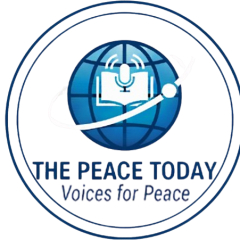
Efforts to prevent sexual and gender-based violence (SGBV) in the Great Lakes Region are increasingly recognising a critical truth. Without addressing trauma and psychosocial harm, peace remains fragile. Integrating Mental Health and Psychosocial Support (MHPSS) into peacebuilding is proving essential to breaking cycles of violence, supporting survivors, and strengthening long-term stability across the region.
Through regional cooperation led by the International Conference on the Great Lakes Region (ICGLR) and its training facility in Kampala, governments and development partners are advancing a more holistic approach to peacebuilding, one that places mental health at the centre of SGBV prevention and recovery. This commitment was underscored during a regional convened in January 2026 in Kampala by the ICGLR with funding from the Kingdom of Netherlands through its Great Lakes Program (GLP). Participants from partners including Deutsche Gesellschaft für Internationale Zusammenarbeit (GIZ) and Institute for Community Based Sociotherapy (ICBS) and other regional stakeholders took part in the event and discussed the way to align national and regional responses around shared standards and practical tools.
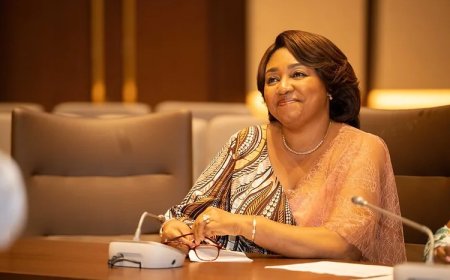
Conflict and SGBV leave deep psychological and social scars that often persist long after violence ends. Survivors face trauma, stigma, and social exclusion that undermine their dignity and limit their participation in education, work, and community life. As Eline van der Veen, Regional Coordinator of the Great Lakes Program, emphasised, “Conflict and SGBV leave deep psychological and social scars; without addressing trauma, peace remains fragile and risks perpetuating intergenerational violence.”
By embedding MHPSS into peacebuilding and SGBV response strategies, regional actors aim to ensure that survivors are supported not only to survive, but to recover. Mental health support helps protect survivors’ rights, reduce stigma, and restore social connections, key foundations for reconciliation and trust-building in post-conflict societies.
This approach also recognises that healing must extend beyond individuals to communities and nations. Community-based and nationally led healing processes are critical to preventing the recurrence of violence and strengthening social cohesion. As Van der Veen noted, “National healing processes are key to reconciliation and long-term stability,” highlighting the importance of locally grounded, inclusive responses.
At the regional level, collaboration among ICGLR member states, development partners, and implementing organisations is improving coordination and consistency. Validated regional guidelines and shared frameworks for integrating MHPSS into peacebuilding and SGBV prevention are helping countries move away from fragmented, ad hoc interventions toward more coherent and sustainable approaches. Strengthened networks also enable better information-sharing and cooperation across borders, reinforcing collective prevention efforts.
Investing in mental health is not only a humanitarian imperative but also a long-term development strategy. “Good mental health enables people to participate in education, work, and community life, making development investments more sustainable,” Van der Veen underscored. When survivors are supported to heal and reintegrate, societies benefit from stronger human capital, increased social participation, and greater resilience to future shocks.
Preventing sexual and gender-based violence in the Great Lakes Region requires more than legal frameworks and security measures. It demands sustained attention to trauma, dignity, and recovery. By integrating MHPSS into peacebuilding, regional actors—supported by the Netherlands and implemented through partnerships with organisations such as GIZ and ICBS—are laying the groundwork for peace that addresses root causes, supports survivors, and endures over time.