 English
 Kinyarwanda

Rwanda Prepares Genocide Convicts for Reintegration with Civic Values and Unity

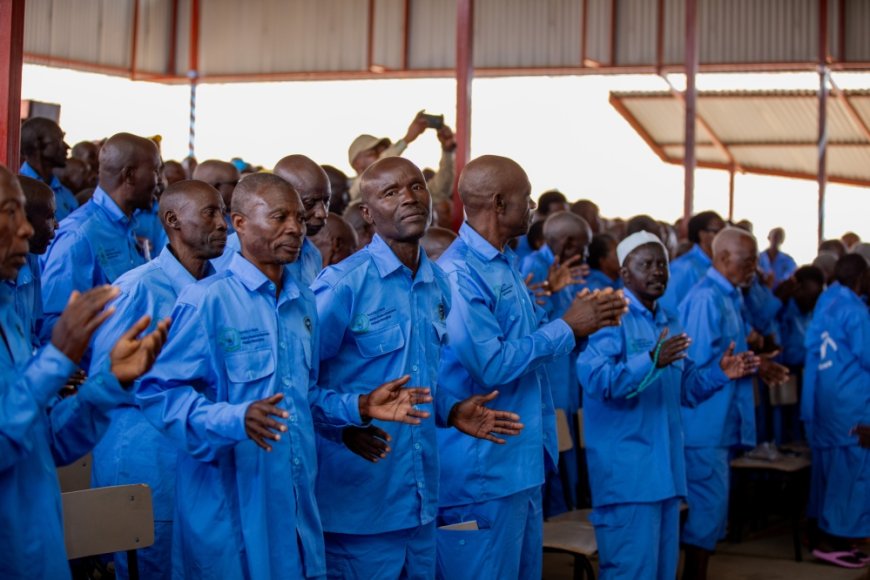
In Nyamagabe District, 266 convicts of the 1994 Genocide against the Tutsi, nearing the end of their sentences, are undergoing a reintegration training programme aimed at fostering unity, resilience, and responsible citizenship.
Launched on February 23 by the Ministry of National Unity and Civic Engagement (MINUBUMWE), the program will run until March 18 and is now in its seventh edition. It seeks to equip inmates with the skills and mindset needed to return to society peacefully, and contribute positively to national development.
Alice Kayumba Uwera, Executive Director of National Unity and Community Resilience at MINUBUMWE, urged participants to embrace honesty, reject divisionism and genocide ideology, and promote gender equality within their families.
“Be ready to embrace positive changes at home, and actively participate in national development initiatives,” Uwera said.
Since the Genocide, Rwanda has pursued restorative justice through Gacaca courts, which handled nearly 1.96 million cases over a decade. Today, more than 1,000 convicts complete their sentences each year, highlighting the need for structured reintegration programmes to address broken family ties, trauma, poverty, and mistrust within communities.
Reintegration as a Path to Unity and Resilience
The training provides civic education on Rwanda’s history, reconciliation, and responsible citizenship, while also preparing families and communities to support former convicts. Uwera emphasised that unity begins at home, through inclusive decision-making, respect, and shared responsibility in parenting.
“Self-encouragement is key to overcoming the emotional burden linked to your experiences,” she said.
MINUBUMWE continues to collaborate with non-governmental and faith-based organisations to facilitate reintegration, psychosocial healing, ensuring that former convicts can take meaningful steps toward forgiveness, community acceptance, and a peaceful return.