
How Teen Pregnancies Strain Families and Community Cohesion
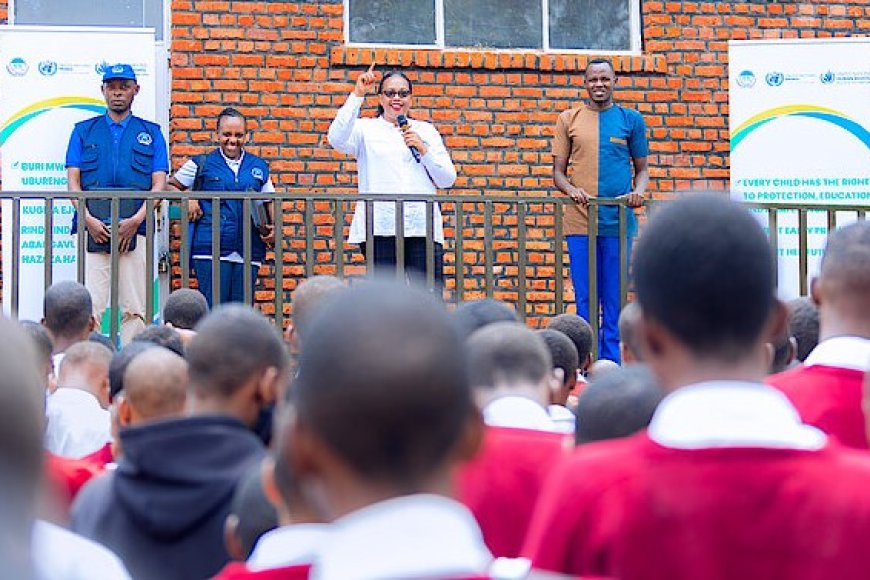
Photo: National Commission for Human Rights (NCHR)

How Teen Pregnancies Strain Families and Community Cohesion

Feb 24, 2026 - 11:52
 0

In Rwanda, adolescent pregnancy climbs to 8%, prompting renewed focus on child rights and social stability.


The National Commission for Human Rights (NCHR) has launched a nationwide campaign targeting secondary school students amid growing concern over rising teenage pregnancy rates in the country.

The five-day initiative, which began in Kigali, brings together students to discuss child rights and the social and health consequences of early pregnancy. Sessions are being held across Nyarugenge, Gasabo and Kicukiro districts before expanding to Nyabihu, Ngororero, Rutsiro, Kamonyi, Huye and Gakenke through February 27, 2026.

The campaign follows the 2025 Rwanda Demographic and Health Survey (2025 RDHS) findings, which shows that teenage pregnancy has increased from 5 percent to 8 percent over the past five years. Girls aged 15 to 19 remain the most affected, with pregnancy rates rising steadily within this age group.

The findings mark a reversal of earlier declines. Rates were found to be particularly high in the Eastern Province and among adolescents from lower-income households.

Education levels also appear closely linked to teenage pregnancy. According to the 2025 RDHS data, 21 percent of pregnant adolescents had no formal education, compared to just 4 percent among those who had attained secondary education.

Despite broader progress in reducing overall fertility, currently estimated at 3.7 children per woman, and improvements in maternal health indicators, adolescent pregnancy continues to pose significant social and public health challenges.

Mental health and social consequences

Recent research has also drawn attention to the psychological consequences of early pregnancy. A 2025 study by Interpeace examined the psychosocial effects of adolescent pregnancy in Gisagara, Musanze, Nyagatare, Rubavu and Gasabo districts.

The study found that 63.03 percent of adolescent mothers reported experiencing depression, while 53.49 percent reported anxiety, in some cases accompanied by suicidal thoughts. Researchers concluded that adolescent pregnancy significantly increases the risk of post-traumatic stress disorder (PTSD), depression and anxiety among young mothers.

Beyond health and education outcomes, teenage pregnancy is also emerging as a source of family conflict and social tension. Community leaders and social workers note that early pregnancy can strain parent-child relationships, trigger stigma and blame within households, and disrupt family stability.

In some cases, it contributes to school dropout, financial hardship and disputes between families, affecting broader community harmony and cohesion. Experts warn that without preventive measures and supportive interventions, these ripple effects may deepen social vulnerabilities, particularly in Rwandan community that still suffers from the consequences of the Genocide against the Tutsi, close to 32 years after.

Students urged to take active role

During the campaign sessions in Kigali, students participated in interactive discussions focusing on their rights to education, health, protection and dignity. Facilitators emphasised how early pregnancy can undermine the full enjoyment of these rights and limit long-term opportunities.

The Commission called for collective responsibility among students, parents, teachers and community leaders to prevent early pregnancy and safeguard the well-being of children.

By engaging young people directly, the NCHR says it aims to strengthen awareness, encourage peer-led prevention efforts and promote a culture of respect for child rights in schools and communities nationwide.

 

How Teen Pregnancies Strain Families and Community Cohesion

Feb 24, 2026 - 11:52
 0
How Teen Pregnancies Strain Families and Community Cohesion
Photo: National Commission for Human Rights (NCHR)

In Rwanda, adolescent pregnancy climbs to 8%, prompting renewed focus on child rights and social stability.


The National Commission for Human Rights (NCHR) has launched a nationwide campaign targeting secondary school students amid growing concern over rising teenage pregnancy rates in the country.

The five-day initiative, which began in Kigali, brings together students to discuss child rights and the social and health consequences of early pregnancy. Sessions are being held across Nyarugenge, Gasabo and Kicukiro districts before expanding to Nyabihu, Ngororero, Rutsiro, Kamonyi, Huye and Gakenke through February 27, 2026.

The campaign follows the 2025 Rwanda Demographic and Health Survey (2025 RDHS) findings, which shows that teenage pregnancy has increased from 5 percent to 8 percent over the past five years. Girls aged 15 to 19 remain the most affected, with pregnancy rates rising steadily within this age group.

The findings mark a reversal of earlier declines. Rates were found to be particularly high in the Eastern Province and among adolescents from lower-income households.

Education levels also appear closely linked to teenage pregnancy. According to the 2025 RDHS data, 21 percent of pregnant adolescents had no formal education, compared to just 4 percent among those who had attained secondary education.

Despite broader progress in reducing overall fertility, currently estimated at 3.7 children per woman, and improvements in maternal health indicators, adolescent pregnancy continues to pose significant social and public health challenges.

Mental health and social consequences

Recent research has also drawn attention to the psychological consequences of early pregnancy. A 2025 study by Interpeace examined the psychosocial effects of adolescent pregnancy in Gisagara, Musanze, Nyagatare, Rubavu and Gasabo districts.

The study found that 63.03 percent of adolescent mothers reported experiencing depression, while 53.49 percent reported anxiety, in some cases accompanied by suicidal thoughts. Researchers concluded that adolescent pregnancy significantly increases the risk of post-traumatic stress disorder (PTSD), depression and anxiety among young mothers.

Beyond health and education outcomes, teenage pregnancy is also emerging as a source of family conflict and social tension. Community leaders and social workers note that early pregnancy can strain parent-child relationships, trigger stigma and blame within households, and disrupt family stability.

In some cases, it contributes to school dropout, financial hardship and disputes between families, affecting broader community harmony and cohesion. Experts warn that without preventive measures and supportive interventions, these ripple effects may deepen social vulnerabilities, particularly in Rwandan community that still suffers from the consequences of the Genocide against the Tutsi, close to 32 years after.

Students urged to take active role

During the campaign sessions in Kigali, students participated in interactive discussions focusing on their rights to education, health, protection and dignity. Facilitators emphasised how early pregnancy can undermine the full enjoyment of these rights and limit long-term opportunities.

The Commission called for collective responsibility among students, parents, teachers and community leaders to prevent early pregnancy and safeguard the well-being of children.

By engaging young people directly, the NCHR says it aims to strengthen awareness, encourage peer-led prevention efforts and promote a culture of respect for child rights in schools and communities nationwide.