
Building Resilience Beyond Borders: Young Rwandans in Europe Confront History and Reclaim Their Role in Nation-Building

Photo: MINUBUMWE

Building Resilience Beyond Borders: Young Rwandans in Europe Confront History and Reclaim Their Role in Nation-Building

Feb 24, 2026 - 09:15
 0

Youth engagement in peacebuilding is not just a slogan; it is one of the most powerful tools for building lasting peace. In societies shaped by conflict, young people stand at the intersection of memory and possibility. When they are meaningfully included, they help break cycles of inherited trauma and transform painful legacies into pathways for resilience.


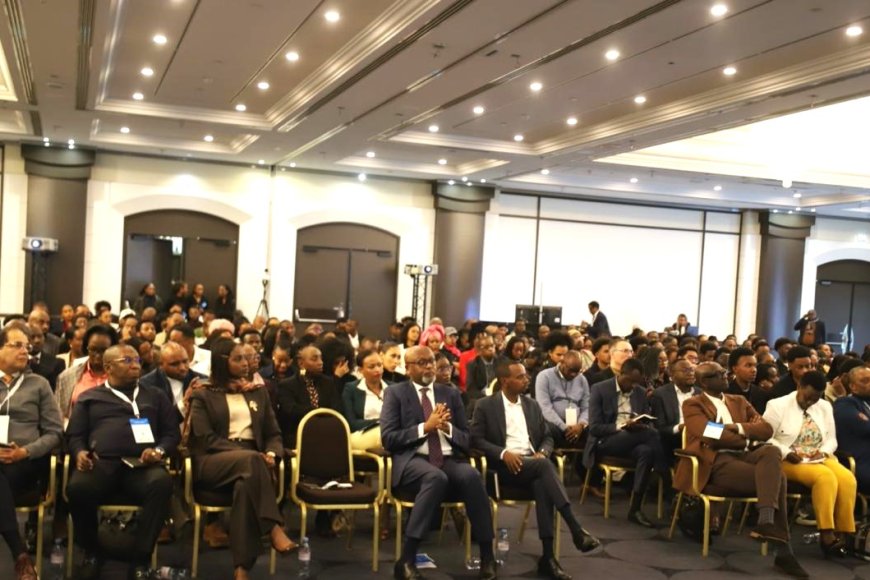
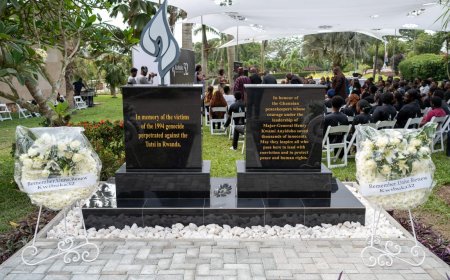
On 21 February 2026, the Ministry of National Unity and Civic Engagement (MINUBUMWE), in partnership with Interpeace, convened a major intergenerational dialogue in Paris. The gathering brought together over 500 young Rwandans from across Europe to reflect on the history of the 1994 Genocide against the Tutsi, its enduring consequences, and Rwanda’s long journey of recovery.

Most participants were born after the genocide; some were even born outside Rwanda. Many have never set foot in their parents’ homeland. Their understanding of Rwanda has largely been shaped by international media coverage and social media narratives, spaces where misinformation and politically charged interpretations can easily flourish. The result is confusion. Sometimes distance breeds detachment; other times it deepens division.

According to participants, the Paris dialogue was more than a conference. It was a moment of reckoning. It created a rare and much-needed platform for open conversation. Through testimonies, panel discussions, and collective reflection, young people voiced difficult questions about identity, belonging, trauma, and mental health, issues often left unspoken within families still processing the aftermath of violence.

Beyond revisiting history, the discussions highlighted Rwanda’s transformation over the past three decades and the opportunities available to the diaspora in economic, cultural, and social initiatives. The message was clear: physical distance does not mean disengagement.

Addressing the gathering, Dr. Jean Damascène Bizimana, Rwanda’s Minister of National Unity and Civic Engagement, urged youth not to see geography as a limitation.

“Geographical distance should not be a barrier to engagement and playing your pivotal role,” he said, emphasizing that communication technologies, travel, and cooperation programmes now offer multiple pathways for meaningful connection.

Nearly 32 years after the genocide, Rwanda’s social fabric has been steadily rebuilt. According to the 2025 Rwanda National Unity Barometer, unity and reconciliation stand at 95.3%, while resilience measures 90.85%, figures that reflect significant national progress.

Yet progress at home does not automatically translate into cohesion abroad.

The Diaspora Challenge

For young Rwandans in Europe, identity is often layered and complex. They navigate multiple cultures while inheriting memories and narratives they did not directly experience. Distance from the homeland, evolving generational values, and exposure to conflicting accounts of Rwanda’s history all shape how they see themselves and their country.

As they voiced through questions and reflections, some young Rwandans living in several European acknowledged limited knowledge of Rwanda’s history, exacerbated by reported divisions within the diaspora along family or political lines and the transmission of negative narratives as a source of tension. Such situation suggests that historical wounds, if not carefully addressed, can echo across borders and generations.

Interpeace’s Country Representative in Rwanda highlighted his organisation’s ongoing efforts to create safe spaces for intergenerational dialogue, spaces designed to support healing, strengthen family communication, and address mental health challenges linked to inherited trauma. Research conducted by Interpeace in collaboration with the youth-led organisation Rwanda We Want indicates that unresolved trauma and genocide legacies are contributing to risky behaviours among some young people.

These patterns underscore a critical truth: peacebuilding is never finished. It must be renewed and reinterpreted by each generation.

From Dialogue to Durable Engagement

Participants in Paris called for the establishment of a permanent engagement programme, including conferences, workshops, and structured exchanges, to deepen diaspora understanding of Rwanda’s history, cultural values, and national vision. Such initiatives could help transform dialogue from a one-time event into a sustained movement.

The Paris dialogue was more than a symbolic gathering. It signaled a recognition that Rwanda’s future depends on its youth, wherever they live.

The stakes are high. When misinformation fills knowledge gaps, mistrust can grow. When divisions harden, social cohesion weakens, not only within diaspora communities but potentially between diaspora groups and the homeland itself. In a globalised world, fractured narratives can travel quickly, influencing perceptions, politics, and even diplomatic relations.

But the opposite is also true. When young people are equipped with accurate knowledge, given space to question, and invited to contribute meaningfully, they can become ambassadors of truth, resilience, and unity.

By investing in youth engagement, strengthening intergenerational dialogue, and confronting misinformation with openness and empathy, Rwanda and its diaspora have an opportunity to transform memory into momentum, shaping the next chapter of Rwanda’s story.
 

Building Resilience Beyond Borders: Young Rwandans in Europe Confront History and Reclaim Their Role in Nation-Building

Feb 24, 2026 - 09:15
Feb 24, 2026 - 11:54
 0
Building Resilience Beyond Borders: Young Rwandans in Europe Confront History and Reclaim Their Role in Nation-Building
Photo: MINUBUMWE

Youth engagement in peacebuilding is not just a slogan; it is one of the most powerful tools for building lasting peace. In societies shaped by conflict, young people stand at the intersection of memory and possibility. When they are meaningfully included, they help break cycles of inherited trauma and transform painful legacies into pathways for resilience.


On 21 February 2026, the Ministry of National Unity and Civic Engagement (MINUBUMWE), in partnership with Interpeace, convened a major intergenerational dialogue in Paris. The gathering brought together over 500 young Rwandans from across Europe to reflect on the history of the 1994 Genocide against the Tutsi, its enduring consequences, and Rwanda’s long journey of recovery.

Most participants were born after the genocide; some were even born outside Rwanda. Many have never set foot in their parents’ homeland. Their understanding of Rwanda has largely been shaped by international media coverage and social media narratives, spaces where misinformation and politically charged interpretations can easily flourish. The result is confusion. Sometimes distance breeds detachment; other times it deepens division.

According to participants, the Paris dialogue was more than a conference. It was a moment of reckoning. It created a rare and much-needed platform for open conversation. Through testimonies, panel discussions, and collective reflection, young people voiced difficult questions about identity, belonging, trauma, and mental health, issues often left unspoken within families still processing the aftermath of violence.

Beyond revisiting history, the discussions highlighted Rwanda’s transformation over the past three decades and the opportunities available to the diaspora in economic, cultural, and social initiatives. The message was clear: physical distance does not mean disengagement.

Addressing the gathering, Dr. Jean Damascène Bizimana, Rwanda’s Minister of National Unity and Civic Engagement, urged youth not to see geography as a limitation.

“Geographical distance should not be a barrier to engagement and playing your pivotal role,” he said, emphasizing that communication technologies, travel, and cooperation programmes now offer multiple pathways for meaningful connection.

Nearly 32 years after the genocide, Rwanda’s social fabric has been steadily rebuilt. According to the 2025 Rwanda National Unity Barometer, unity and reconciliation stand at 95.3%, while resilience measures 90.85%, figures that reflect significant national progress.

Yet progress at home does not automatically translate into cohesion abroad.

The Diaspora Challenge

For young Rwandans in Europe, identity is often layered and complex. They navigate multiple cultures while inheriting memories and narratives they did not directly experience. Distance from the homeland, evolving generational values, and exposure to conflicting accounts of Rwanda’s history all shape how they see themselves and their country.

As they voiced through questions and reflections, some young Rwandans living in several European acknowledged limited knowledge of Rwanda’s history, exacerbated by reported divisions within the diaspora along family or political lines and the transmission of negative narratives as a source of tension. Such situation suggests that historical wounds, if not carefully addressed, can echo across borders and generations.

Interpeace’s Country Representative in Rwanda highlighted his organisation’s ongoing efforts to create safe spaces for intergenerational dialogue, spaces designed to support healing, strengthen family communication, and address mental health challenges linked to inherited trauma. Research conducted by Interpeace in collaboration with the youth-led organisation Rwanda We Want indicates that unresolved trauma and genocide legacies are contributing to risky behaviours among some young people.

These patterns underscore a critical truth: peacebuilding is never finished. It must be renewed and reinterpreted by each generation.

From Dialogue to Durable Engagement

Participants in Paris called for the establishment of a permanent engagement programme, including conferences, workshops, and structured exchanges, to deepen diaspora understanding of Rwanda’s history, cultural values, and national vision. Such initiatives could help transform dialogue from a one-time event into a sustained movement.

The Paris dialogue was more than a symbolic gathering. It signaled a recognition that Rwanda’s future depends on its youth, wherever they live.

The stakes are high. When misinformation fills knowledge gaps, mistrust can grow. When divisions harden, social cohesion weakens, not only within diaspora communities but potentially between diaspora groups and the homeland itself. In a globalised world, fractured narratives can travel quickly, influencing perceptions, politics, and even diplomatic relations.

But the opposite is also true. When young people are equipped with accurate knowledge, given space to question, and invited to contribute meaningfully, they can become ambassadors of truth, resilience, and unity.

By investing in youth engagement, strengthening intergenerational dialogue, and confronting misinformation with openness and empathy, Rwanda and its diaspora have an opportunity to transform memory into momentum, shaping the next chapter of Rwanda’s story.