 English
 Kinyarwanda

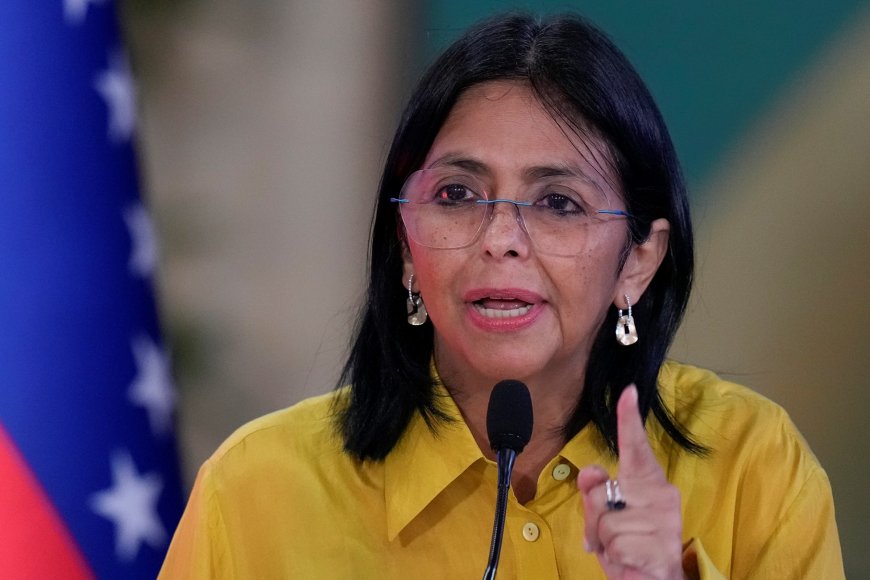
U.S. removes sanctions on Venezuela's Interim President, paving way for asset control
The United States Treasury Department has removed sanctions against Venezuelan interim President Delcy Rodriguez on Wednesday, April 02. This policy shift comes less than three months after U.S. forces seized former President Nicolas Maduro during a raid in Caracas, signaling a new phase in Washington’s diplomatic approach to the country.
By formally recognizing Rodriguez as the nation's leader, the U.S. government has opened the door for her administration to reopen embassies and consulates across the United States.
The decision also paves the way for the interim government to regain control of Venezuela-owned companies operating abroad, which had previously been frozen or restricted.
The removal of these sanctions follows reports that the Rodriguez administration is preparing to take over the boards of state oil firm Petróleos de Venezuela, S.A-PDVSA’s U.S. subsidiaries, including Citgo Petroleum.
According to the sources close to the preparations told Reuters, the move aims to consolidate control over Citgo, which is considered Venezuela’s most valuable foreign asset and has been managed by an inactive opposition-led congress since 2019.
Rodriguez hailed the decision through social media, characterizing it as a milestone for future diplomacy.
In a post on X, she stated that the move was "a step in the direction of normalizing and strengthening relations between our countries."
"We trust that this progress will allow for the lifting of the sanctions currently in place on our country, enabling the building and guaranteeing of an effective bilateral cooperation agenda for the benefit of our peoples," Rodriguez added.
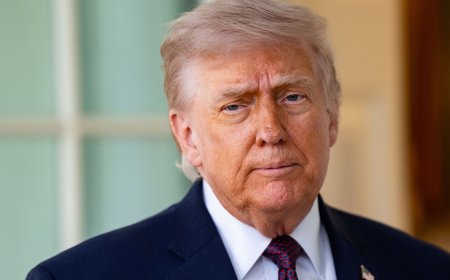
The Trump administration has actively engaged with the interim government led by Rodriguez, a former Vice President and ally of Maduro.
Recent efforts include sending the U.S. energy and interior secretaries to Caracas to meet with potential investors and establishing an agreement for the U.S. to purchase Venezuelan oil.
Washington has also praised recent changes to Venezuela's oil and mining sectors designed to attract foreign capital, while simultaneously issuing specific sanctions waivers to facilitate business.
Despite this engagement, Rodriguez has yet to meet in person with a head of state as interim president, though she has met with several high-level international delegations.
The diplomatic status of Rodriguez stands in contrast to other top officials from the former Maduro administration. Many high-ranking figures, including Interior Minister Diosdado Cabello and former Defense Minister Vladimir Padrino, remain under heavy sanctions. Several also face U.S. charges for drug trafficking, allegations they continue to deny.