 English
 Kinyarwanda

52 victims laid to rest as Gashora reflects on ‘calculated’ killing of 1994

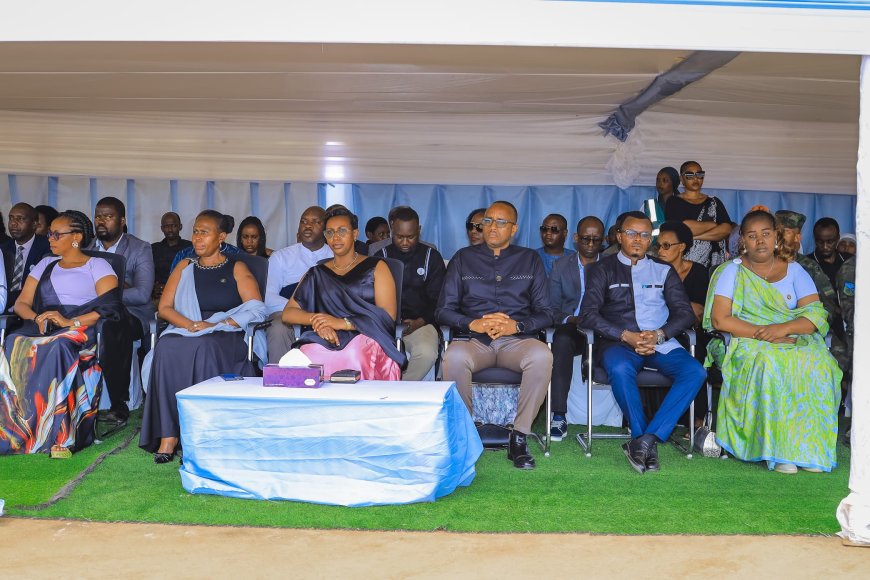
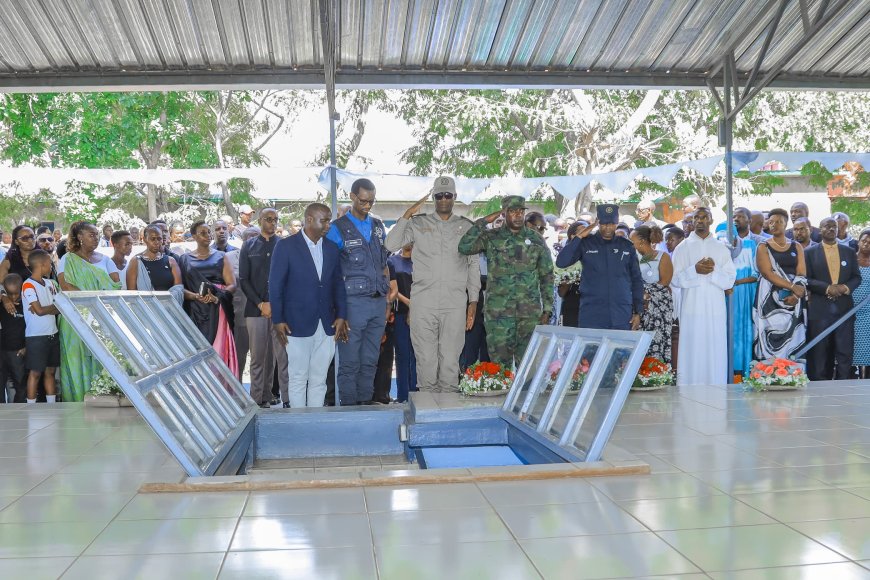
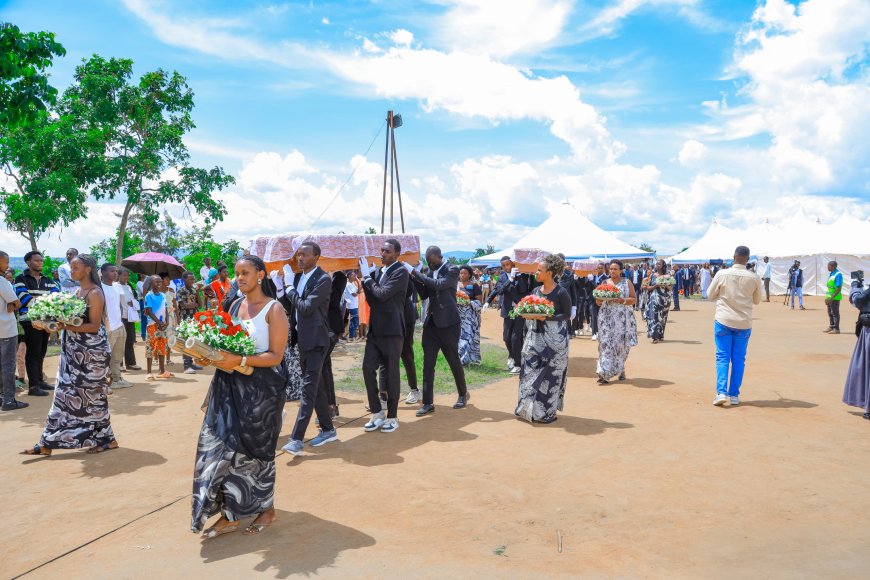
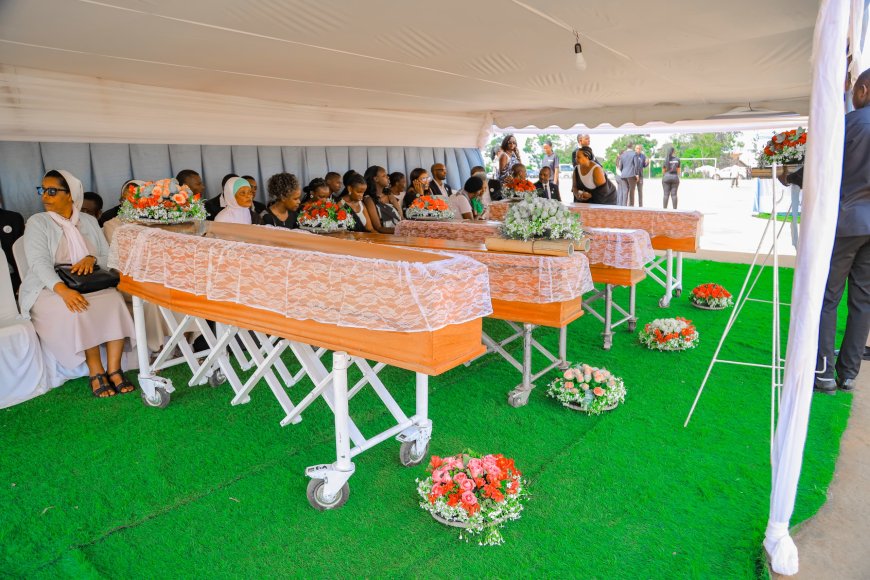
In the Gashora Sector of Bugesera District, the Genocide against the Tutsi was not unplanned eruption of violence, but a meticulously engineered campaign that began years before the rest of the country fell into darkness. On Saturday, April 11, the community gathered at the Gashora Genocide Memorial to honor this history and lay to rest 52 newly recovered victims.
These newly discovered bodies were buried adding to over 5000 bodies of victims of 1994 Genocide against Tutsi rest in this memorial site.
The 32nd commemoration highlighted the unique and preparation that defined the killings in this region. While the country wide, the genocide began in April 1994, speakers noted that Gashora’s Tutsi were already being hunted by 1992.
By the time the massacres reached their peak, the local infrastructure of death included “killing pits” disguised as shelters and the use of petrol and swarms of bees to torture those who sought refuge in this region.
Of the 52 victims given a dignified burial, 47 were recently recovered from sites within Gashora Sector, while five were relocated from Lilima Sector.
For the survivors and families present, the discovery of these remains more than three decades later serves as a stark reminder of the “calculated nature” of the brutal massacre and the scale of the task that remains in locating those still missing.
A trap disguised as refuge
Venuste Kanani, the president of Ibuka in Gashora Sector, provided an account of the dishonesty used to trap victims. He explained that by 1994, the groundwork for mass murder had been laid under the guise of civil protection of Tutsi who saught refuge in the region.
“The preparation went deeper; killing pits were secretly dug in advance disguised as 'shelters for Tutsi,'” Kanani said.
He described how on 10 April 1994, many victims were lured onto trucks under the false promise of evacuation to safety. Instead, they were consolidated at local commune offices to make the slaughter more “efficient.”
“Victims were tortured with petrol or swarms of bees; they were killed with a level of malice,” Kanani added, noting that there are likely more remains to be found of those who fled from Rukumberi and Julu.
A miracle in the marshes
The ceremony also brought forward individual stories of survival that illustrated the desperation of the era.
Rachid Niwenshuti , a survivor from the Kamabuye Sector, recalled the horror at the Sake Commune on April 8, 1994, when soldiers joined the local mobs.
Niwenshuti described a “standoff” that ended when Hutus and Tutsis were forcibly separated before weapons were distributed. As the hacking began, Rachid managed to break away, sparking a life-or-death chase through the Kanyonyombya marshes.
“I eventually reached a body of water and swam across to safety,” Niwenshuti said. While he escaped, he noted the heavy toll on those left behind: “They killed so many that day—descending on our homes, killing the women and children we had left behind, looting everything we owned.”
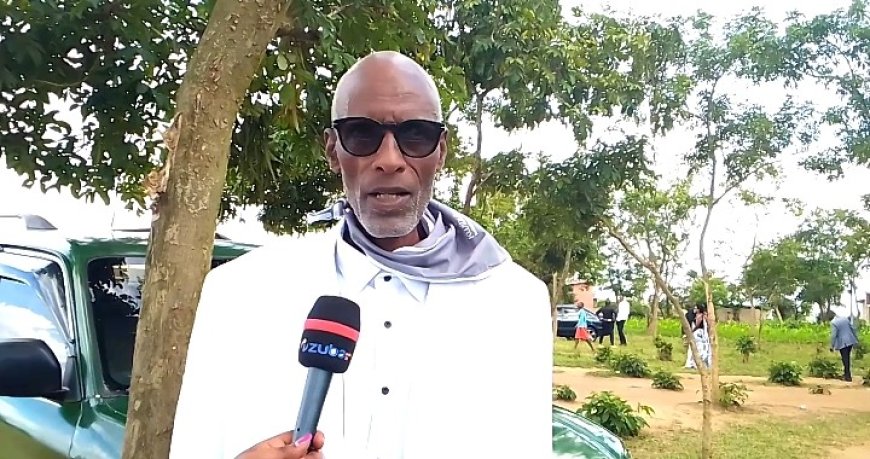
Despite the scars, Rachid credited the Government of National Unity for his current stability. “As you can see, I am doing well now,” he told the reporters, pointing to the housing and education provided for his children.
The burden of forgiveness
For others, the struggle for peace was internal. One survivor shared a testimony of fleeing toward Burundi while she was eight months pregnant and carrying a two-year-old child. Although she survived the physical ordeal, she spent years paralysed by trauma and bitterness.
“I couldn't sleep without medication or injections because I couldn't find it in my heart to forgive,” she shared. She described a spiritual turning point—a dream where she felt God asking what she would do for her since she refused to forgive.
“I realised I couldn't carry this bitterness to my grave. I chose to forgive so that I could be at peace with God,” she said.
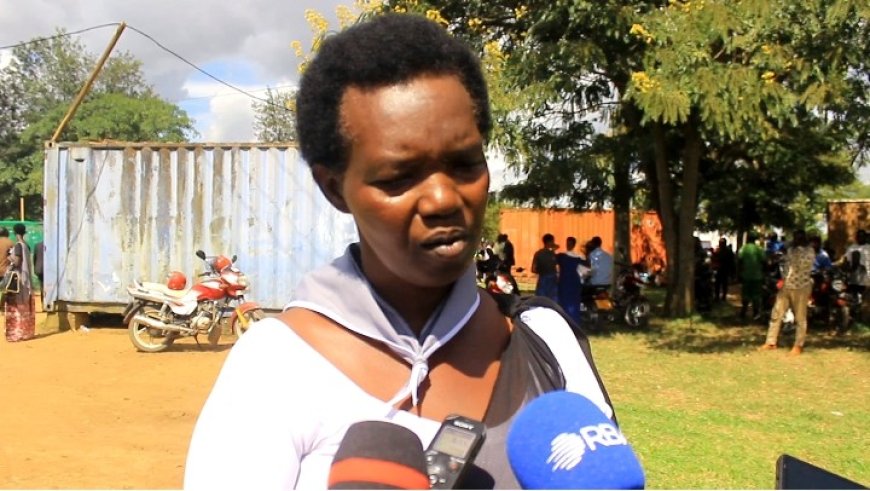
Now facing the challenges of old age, she joined other survivors in calling for increased advocacy for elderly widows.
“As we age, we ask for support and we advocate for other elderly who can no longer provide for themselves,” she noted, emphasising the need for housing assistance.
Why remembering is a ‘medicine’?
Bankundiye Chantal, the President of Ibuka in Bugesera District, thanked the government for its role in ensuring survivors did not “slip back into the 'death'“ they once inhabited. She described the act of remembering as a vital psychological tool.
“Remembering is medicine; it heals our emotional wounds,” Chantal said. “It is a space for truth, which helps us plan for a better tomorrow and stand united against genocide ideology.”
She also issued a practical call to action regarding the state of local memorials. Specifically, she requested that the Ruhuha and Gashora memorial sites be refurbished.
“Some of the older caskets need replacing, and we hope to see these resting places refurbished,” she said, stressing the importance of maintaining the dignity of the deceased.
Hon. Mukandanga Speciose, closed the ceremony by reaffirming the duty of the living to honor the dead. She noted that the act of burial is a fundamental part of restoring the humanity that the genocide sought to erase.
“When we remember, we reaffirm our shared humanity and the Rwandan values that were once lost,” she said.