
154 Victims Laid to Rest as Ntarama Confronts 32 Years of Silence

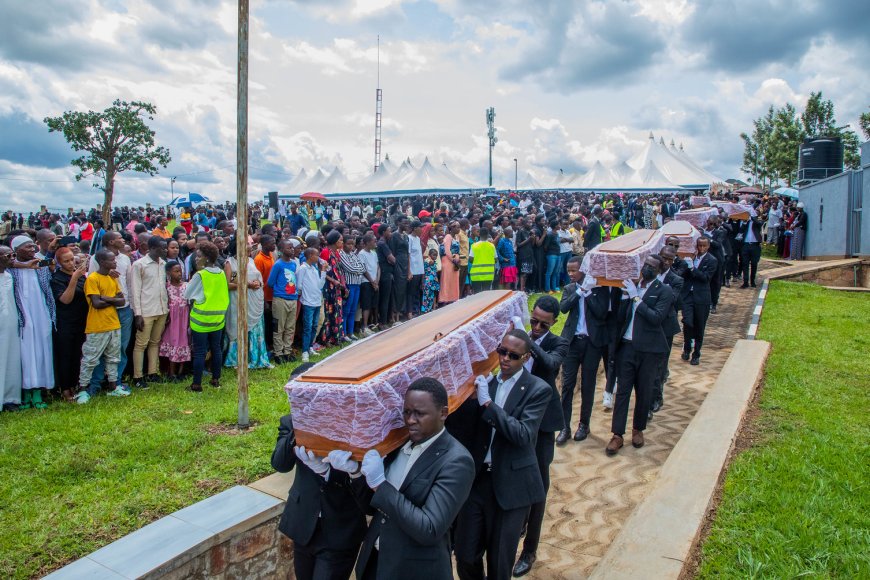
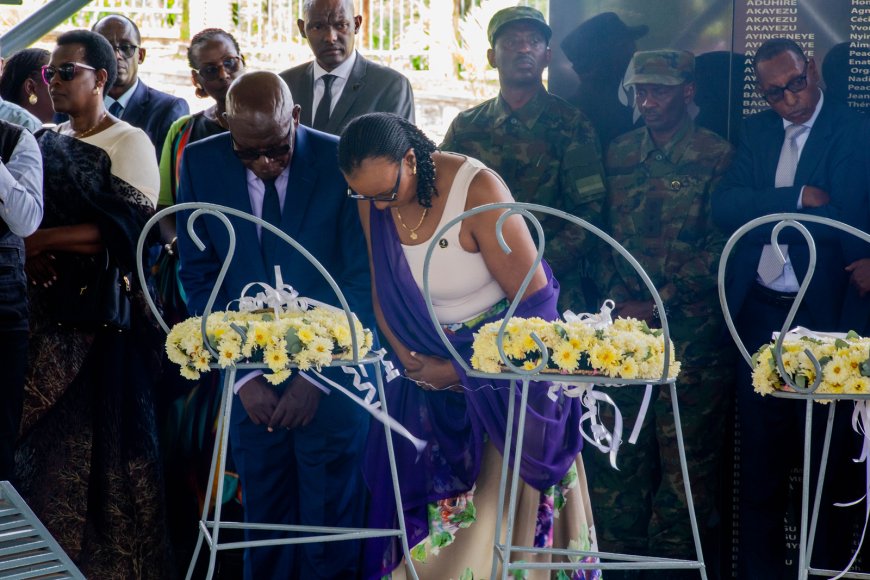
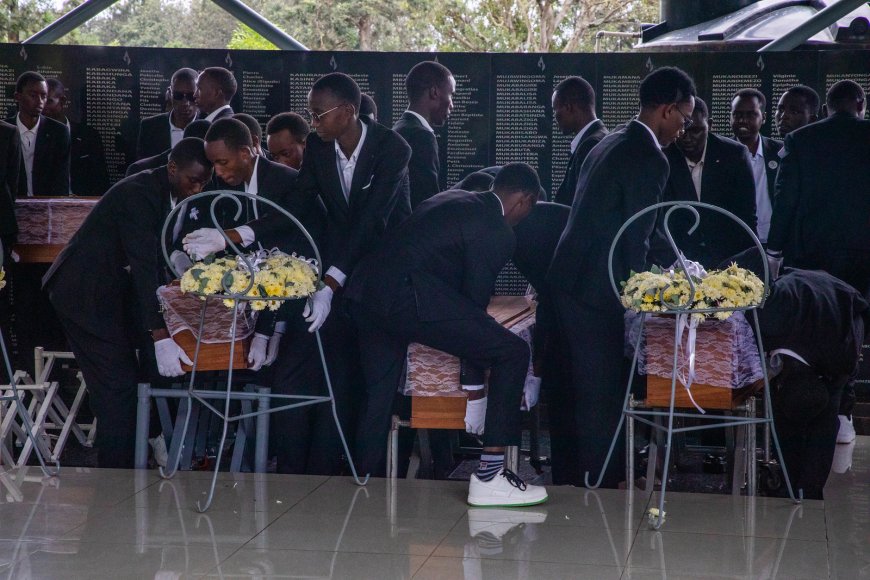
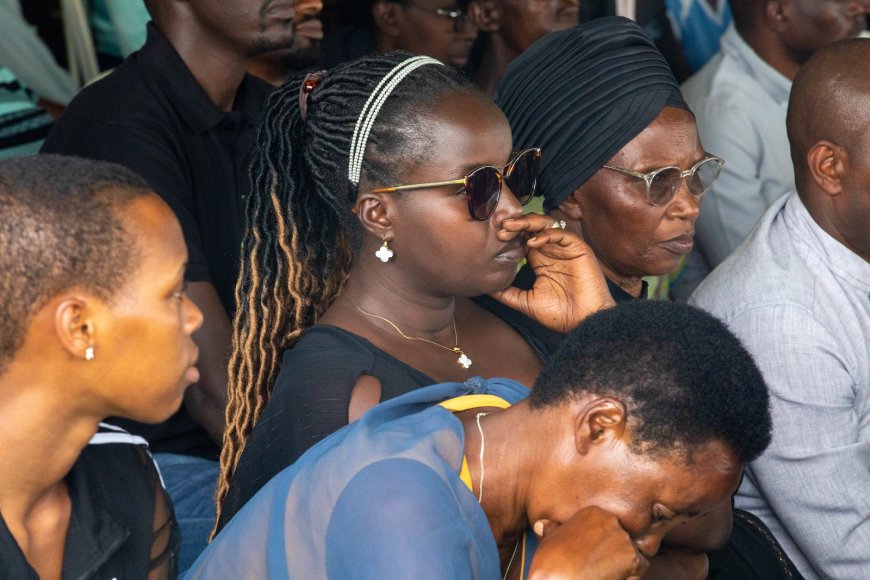
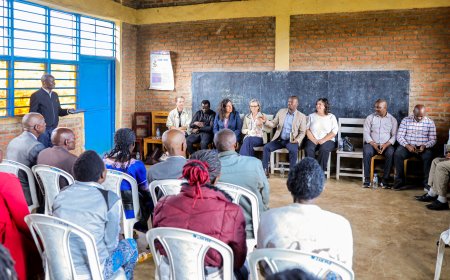
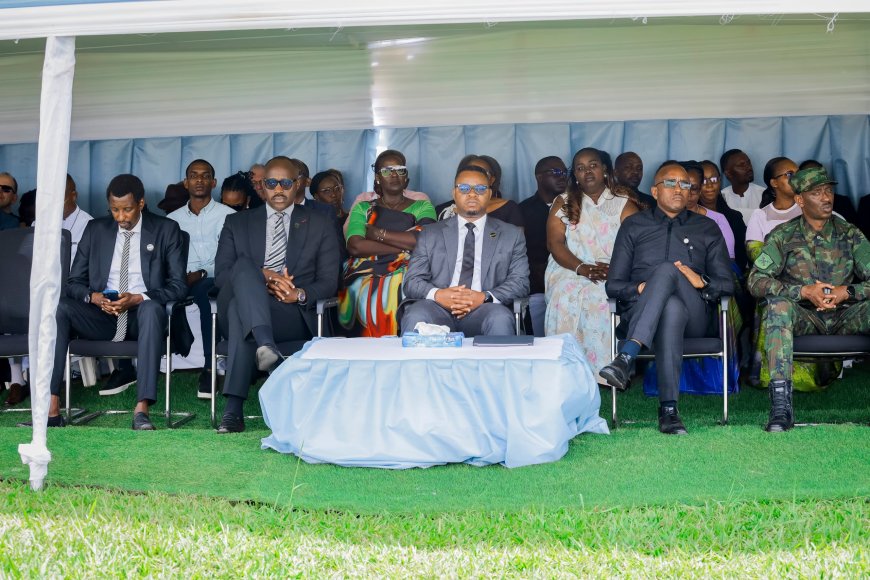
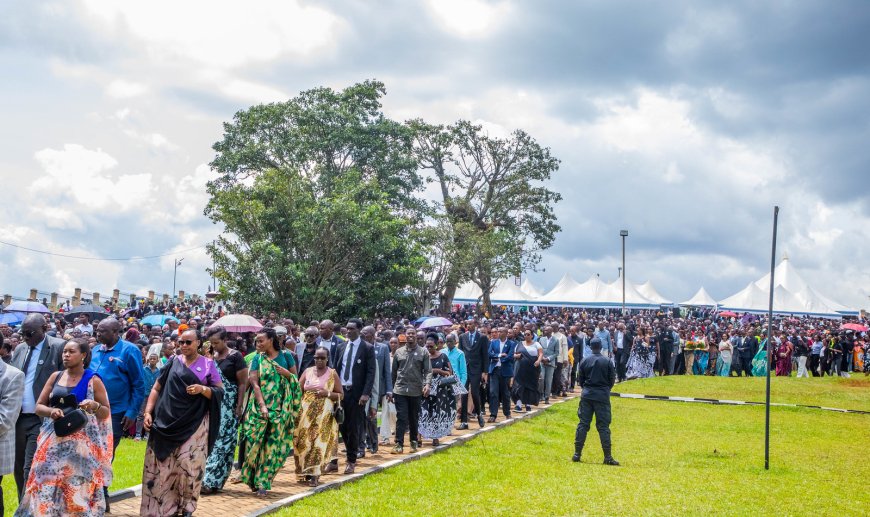
Mourners gather at Ntarama Genocide Memorial as remains recently discovered across Bugesera District are brought for a decent burial, 32 years after the tragedy on Wednesday, April 15, 2026.

154 Victims Laid to Rest as Ntarama Confronts 32 Years of Silence

Apr 15, 2026 - 19:18
 0

“The Ntarama Memorial is known for the horrific way infants were killed—slammed against the walls.” With these solemn words, Bugesera District Mayor Richard Mutabazi addressed mourners on April 15, as 154 victims of the 1994 Genocide against the Tutsi were finally laid to rest with dignity.


The remains were given a decent burial at the Ntarama Genocide Memorial, a site that already serves as the final resting place for more than 5,000 victims.

The 154 victims were recently discovered across five sectors of the district. The majority, 148 bodies, were recovered from the Mwogo Sector. Others were found in Nyamata (2), Mayange (2), Musenyi (1), and Ntarama (1) sectors.

The ceremony of every year comes 32nd years after the Genocide, highlighting the ongoing struggle to locate those still missing.

Mayor Mutabazi told the gathering that the late discovery of these remains is a stark reminder of the cruelty of the killers and the persistent efforts to cover up the truth.
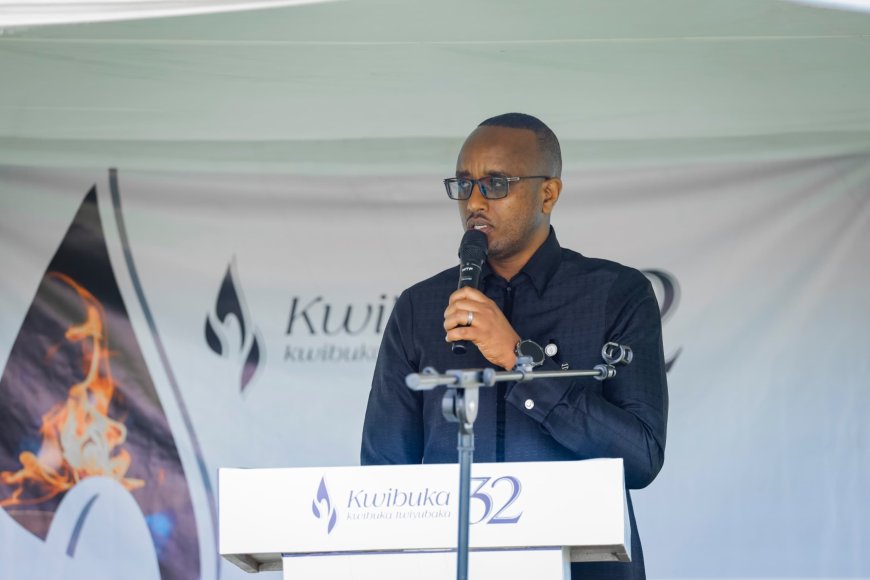
“Finding these bodies hidden away 32 years later is not just a sign of how cruel the genocide was; it is also proof of attempts to deny the facts and hide evidence,” Mutabazi said.

He added that the “silence of those who refuse to share information” remains a significant hurdle to building national unity and resilience.

Ndatsikira Evode, representing the survivor organisation IBUKA at national level, emphasised that remembrance is the foundation of the country's current stability.

“True remembrance is the pillar of Rwandan unity,” Evode stated. He revealed a recent report showing that 732 families were completely wiped out in Bugesera District alone, accounting for over 3,500 individuals who have no one left to carry on their names.

Evode urged the community to continue moving remains from improper graves or hillsides to well-maintained memorials. He noted that many of these sites are now recognised by UNESCO, providing a vital space for the youth to learn about the country’s history.

A survivor representing the families of those being buried, Angelique Mukandeze shared a moving testimony of her own journey. Out of four children in her original family, she is the only survivor. Despite the loss, she has built a new life, is married, and has eight children.
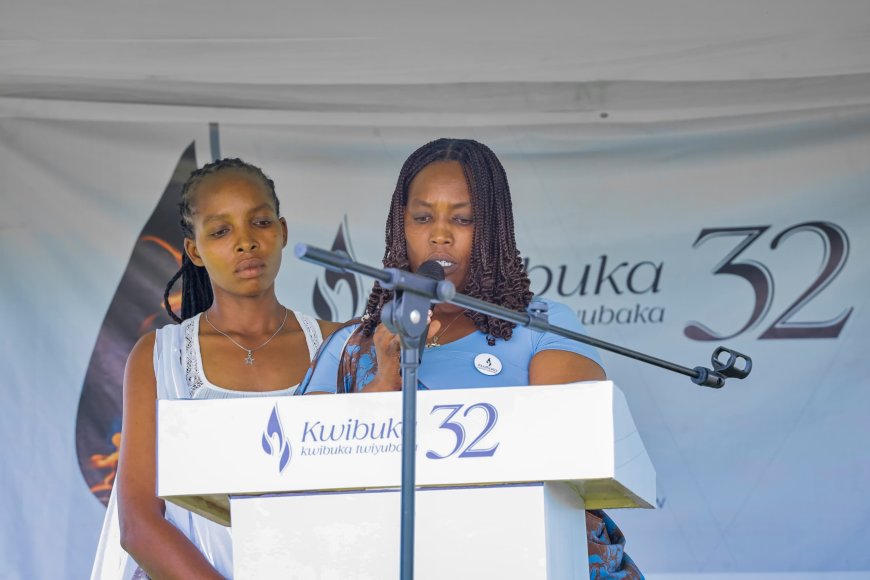
She expressed a sense of peace at finally finding her loved ones but called on the local community to break their silence.

“I ask those who have information about where others are buried to speak up,” she said. “Even if you did not kill anyone, you cannot claim to be ignorant of what happened on the hill where you lived. Bad news is never a secret.”

The Minister of State for ICT and Innovation, Yves Iradukunda, his message focused on the role of the younger generation in safeguarding the truth.

“To our youth: you play a major role in the Rwanda of today and tomorrow,” Iradukunda said. “It is your responsibility to study our country's history, understand it deeply, and learn from it.”
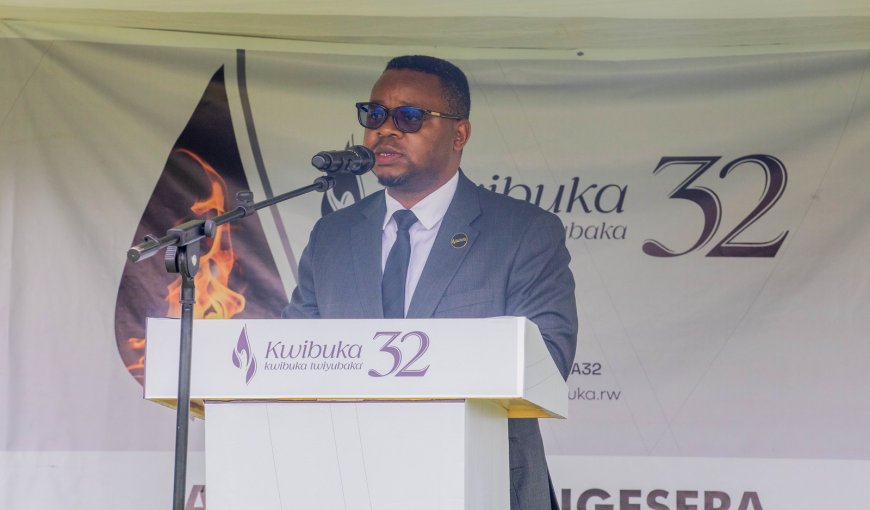
The Minister warned that social media has become a tool for those seeking to distort history. He challenged young people to use digital platforms to combat lies and genocide ideology, noting that false information is often spread online to deceive others.

The officials and survivors urged Rwandans to stay strong, develop themselves, and avoid the divisions that led to the tragedy.
 

154 Victims Laid to Rest as Ntarama Confronts 32 Years of Silence

Apr 15, 2026 - 19:18
Apr 15, 2026 - 20:57
 0
154 Victims Laid to Rest as Ntarama Confronts 32 Years of Silence
Mourners gather at Ntarama Genocide Memorial as remains recently discovered across Bugesera District are brought for a decent burial, 32 years after the tragedy on Wednesday, April 15, 2026.

“The Ntarama Memorial is known for the horrific way infants were killed—slammed against the walls.” With these solemn words, Bugesera District Mayor Richard Mutabazi addressed mourners on April 15, as 154 victims of the 1994 Genocide against the Tutsi were finally laid to rest with dignity.


The remains were given a decent burial at the Ntarama Genocide Memorial, a site that already serves as the final resting place for more than 5,000 victims.

The 154 victims were recently discovered across five sectors of the district. The majority, 148 bodies, were recovered from the Mwogo Sector. Others were found in Nyamata (2), Mayange (2), Musenyi (1), and Ntarama (1) sectors.

The ceremony of every year comes 32nd years after the Genocide, highlighting the ongoing struggle to locate those still missing.

Mayor Mutabazi told the gathering that the late discovery of these remains is a stark reminder of the cruelty of the killers and the persistent efforts to cover up the truth.

“Finding these bodies hidden away 32 years later is not just a sign of how cruel the genocide was; it is also proof of attempts to deny the facts and hide evidence,” Mutabazi said.

He added that the “silence of those who refuse to share information” remains a significant hurdle to building national unity and resilience.

Ndatsikira Evode, representing the survivor organisation IBUKA at national level, emphasised that remembrance is the foundation of the country's current stability.

“True remembrance is the pillar of Rwandan unity,” Evode stated. He revealed a recent report showing that 732 families were completely wiped out in Bugesera District alone, accounting for over 3,500 individuals who have no one left to carry on their names.

Evode urged the community to continue moving remains from improper graves or hillsides to well-maintained memorials. He noted that many of these sites are now recognised by UNESCO, providing a vital space for the youth to learn about the country’s history.

A survivor representing the families of those being buried, Angelique Mukandeze shared a moving testimony of her own journey. Out of four children in her original family, she is the only survivor. Despite the loss, she has built a new life, is married, and has eight children.

She expressed a sense of peace at finally finding her loved ones but called on the local community to break their silence.

“I ask those who have information about where others are buried to speak up,” she said. “Even if you did not kill anyone, you cannot claim to be ignorant of what happened on the hill where you lived. Bad news is never a secret.”

The Minister of State for ICT and Innovation, Yves Iradukunda, his message focused on the role of the younger generation in safeguarding the truth.

“To our youth: you play a major role in the Rwanda of today and tomorrow,” Iradukunda said. “It is your responsibility to study our country's history, understand it deeply, and learn from it.”

The Minister warned that social media has become a tool for those seeking to distort history. He challenged young people to use digital platforms to combat lies and genocide ideology, noting that false information is often spread online to deceive others.

The officials and survivors urged Rwandans to stay strong, develop themselves, and avoid the divisions that led to the tragedy.