 English
 Kinyarwanda

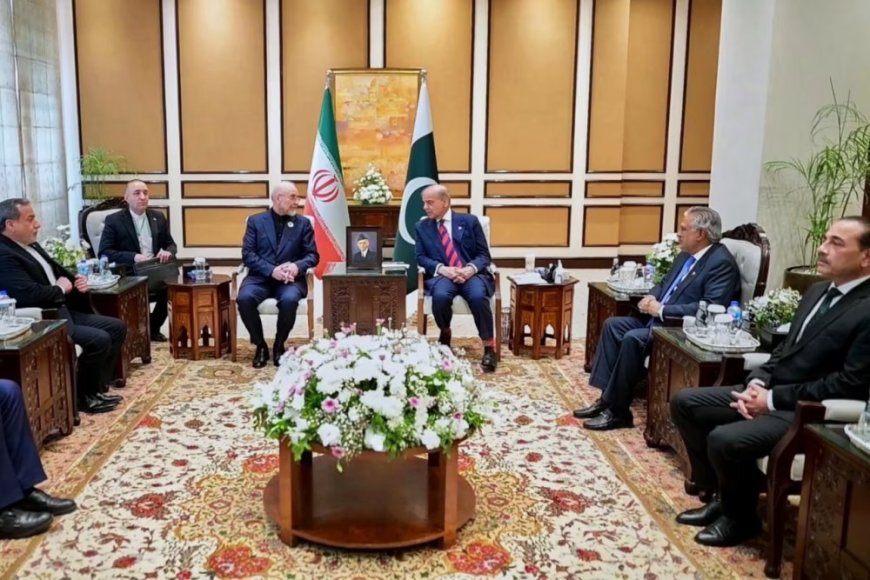
US-Iran Peace talks failure in Islamabad, no agreement reached

The peace talks between the United States and Iran concluded Sunday, April 12 in the Pakistani capital without an agreement, leaving a ceasefire in danger and the six-week-old war unresolved.
The 21-hour negotiations failed to end a conflict that has killed thousands and disrupted global energy markets. As the delegations departed Islamabad.
“The bad news is that we have not reached an agreement, and I think that's bad news for Iran much more than it's bad news for the United States of America,” said U.S. Vice President JD Vance, who led the American delegation.
The U.S. cited Iranian nuclear ambitions as a primary “red line.” Vance told reporters that Tehran refused to accept terms regarding the dismantlement of its nuclear capabilities.
“We need to see an affirmative commitment that they will not seek a nuclear weapon and they will not seek the tools that would enable them to quickly achieve a nuclear weapon. That is the core goal of the president of the United States, and that's what we've tried to achieve through these negotiations,” Vance said.
A spokesperson for Iran’s foreign ministry noted the talks occurred in an “atmosphere of mistrust,” adding, “It is natural that we shouldn't have expected to reach agreement in just one session.”
The summit marked the first direct meeting between U.S. and Iranian officials in over a decade and the highest-level engagement since the 1979 Islamic Revolution.
Despite the lack of a formal deal, Pakistani Foreign Minister Ishaq Dar said it was “imperative” to maintain the two-week ceasefire established last Tuesday.
The conflict began on February 28 with U.S. and Israeli air strikes on Iran. While negotiations were underway in Pakistan, President Donald Trump suggested a formal deal was not his primary concern.
“We're negotiating. Whether we make a deal or not makes no difference to me, because we've won,” Trump told reporters on Saturday.
Iran has also demanded a total regional ceasefire, including an end to Israeli operations against Hezbollah in Lebanon. However, Israel has continued its bombardment of Beirut, asserting that the Lebanon conflict is separate from the U.S.-Iran negotiations.