 English
 Kinyarwanda

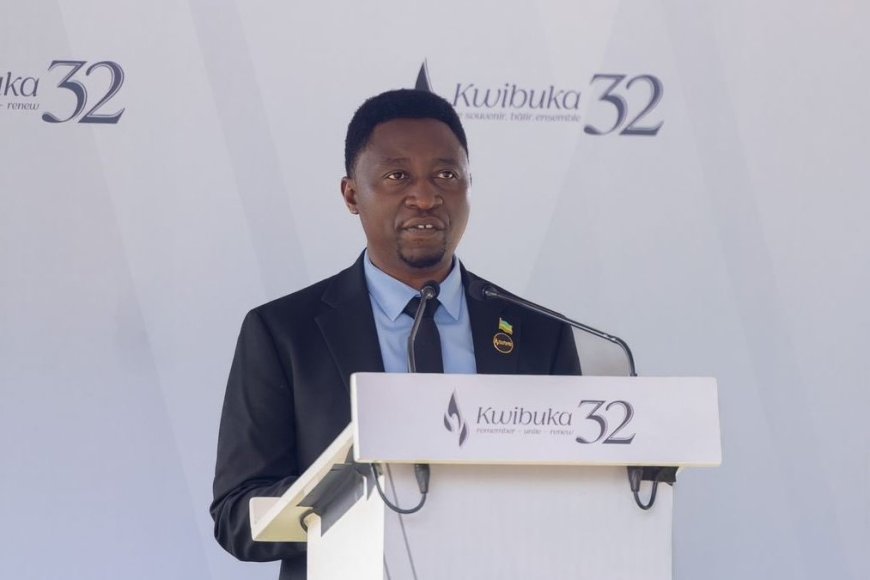
Senator Habineza Urges Vigilance Against Divisive Ideologies at Kwibuka32 Closing Ceremony

The spokesperson of the National Forum for Political Organizations (NFO) in Rwanda, Senator Dr. Frank Habineza, has called on politicians and young people to remain highly vigilant against any attempts to revive division and hatred, warning that safeguarding Rwanda’s unity requires constant awareness and collective responsibility.
“We, legally registered political parties, call upon all Rwandans to denounce those who seek to bring back the politics of hatred,” said Senator Frank Habineza. “I urge you to remain vigilant and avoid anyone who seeks to divide you, create conflict, or distract you—whether they present themselves as Rwandan politicians or operate from within the region and beyond.
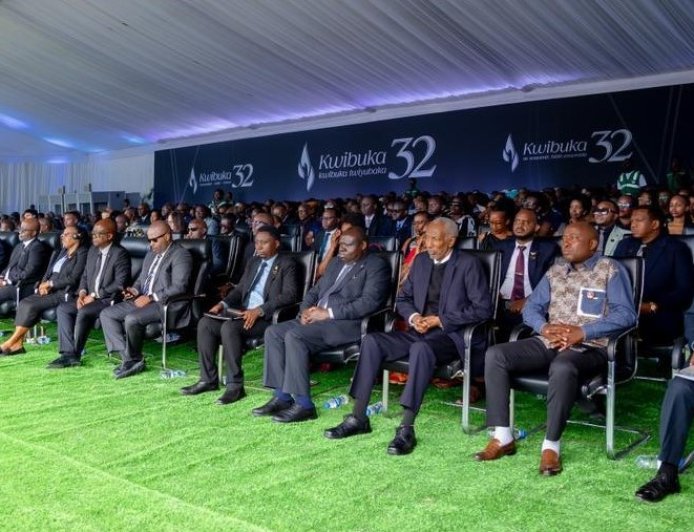
He made the remarks during the closing of National Mourning Week - Kwibuka32 held at the Rebero Genocide Memorial, where the nation gathered to honor politicians who were killed during the 1994 Genocide against the Tutsi for standing against injustice and extremist ideology.
Paying tribute to the fallen leaders, Habineza emphasised that they were targeted for both their ethnicity and their political convictions. “We remember the politicians who were killed because of their ethnicity, their political ideas, their stand against evil, and their refusal to accept injustice,” he said.
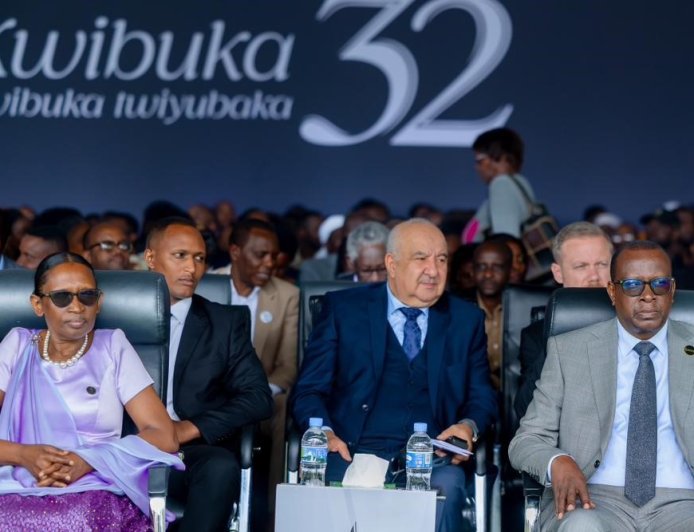
“They were killed for their courage in resisting tyranny and fighting inequality,” he added, noting that their vision was a Rwanda built on governance that values all citizens equally without discrimination.
The commemoration also honoured thousands of Tutsi victims laid to rest at Rebero. Habineza described them as innocent lives lost “simply for how God created them.”
Reflecting on Rwanda’s progress over the past 32 years, he pointed to a governance model rooted in consensus, dialogue, and tolerance. “For 32 years, Rwanda has followed a policy of consensus that prioritises dialogue, consultation, tolerance, and the pursuit of national unity, ensuring all citizens feel safe and valued equally without discrimination.” he said.
He highlighted the country’s power-sharing framework, noting that all 11 registered political parties, including the Democratic Green Party of Rwanda which he leads, are represented in Parliament and across national leadership positions.
Habineza also clarified the role of opposition politics in Rwanda. “Opposition is not about fighting or destroying what others have achieved over the last 32 years; rather, it is about offering ideas and seeking solutions to remaining challenges,” he said.
Addressing regional security concerns, he reiterated Rwanda’s position on reintegration, stating that the country continues to welcome former fighters from groups such as the FDLR.
“No Rwandan should remain a refugee in a foreign land,” he said, while urging those living abroad to distance themselves from extremist influences and return home. “There is peace, and it is time to join hands in building Rwanda while fighting genocide ideology.”
The Kwibuka32 closing ceremony served as both a moment of remembrance and a renewed call to protect national unity, with leaders emphasizing that the lessons of 1994 must remain central to Rwanda’s future.
Though the official mourning week has concluded, the commemoration period continues for 100 days, during which activities to honour the memory of the victims, as well as efforts focused on awareness and education, will carry on across Rwanda and within communities around the world.