
US Launches Strikes on Iran as Doha Peace Talks Begin

U.S. forces launch strikes on Iranian boats and missile sites on Monday, May 25, just as high-level peace talks open in Qatar to end the three-month war.

US Launches Strikes on Iran as Doha Peace Talks Begin

May 26, 2026 - 07:56
 0

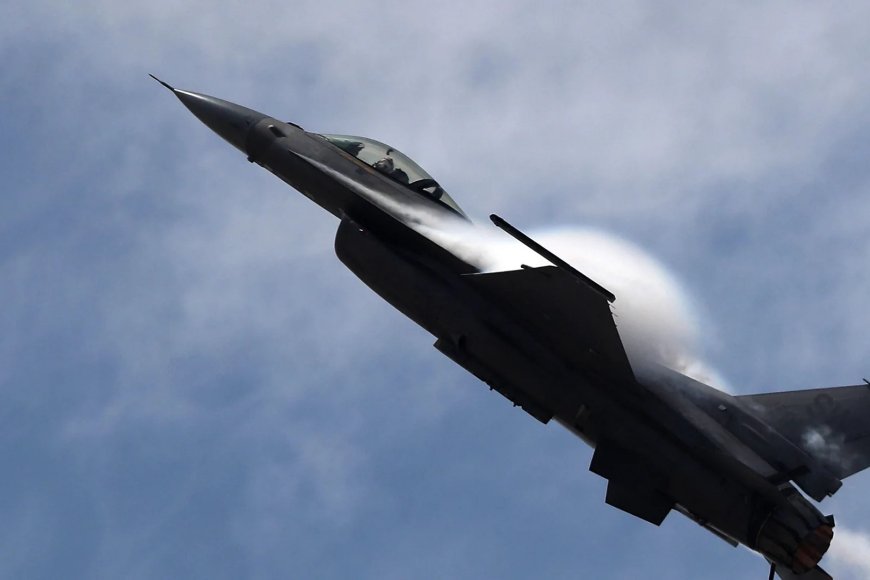
United States forces have launched fresh military strikes in southern Iran on Monday, May 25 targeting missile sites and boats just as high-level diplomatic talks opened in Qatar to end the three-month-old war.


U.S. Central Command confirmed the defensive actions targeted Iranian boats attempting to lay mines, alongside multiple missile launch sites.

Military officials stated the operation was designed "to protect our troops from threats posed by Iranian forces."

The sudden military escalation coincided with a crucial diplomatic meeting in Doha.

Iran's top negotiator and its foreign minister met with Qatar's prime minister to debate a potential peace deal, though both Washington and Tehran downplayed expectations for an immediate breakthrough.

Speaking to reporters earlier in New Delhi, U.S. Secretary of State Marco Rubio said Washington would give diplomacy every chance to succeed before considering whether to deal with Iran in "another way".

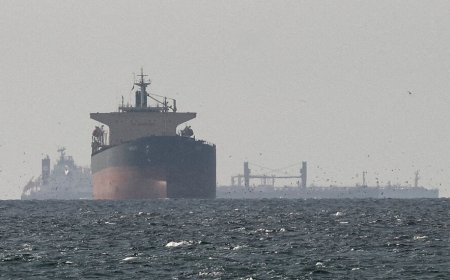
Rubio stated there was a "pretty solid thing on the table in terms of their ability to open up the strait (of Hormuz), get the strait open, enter into a very real, significant, time-limited negotiation on the nuclear matter, and hopefully we can pull it off,"

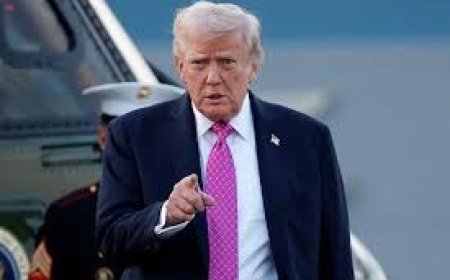
U.S. President Donald Trump commented on the situation in a lengthy post on Truth Social on Monday.

He noted that talks with Iran were going "nicely", but issued a stark warning of fresh attacks if negotiations failed.

It "will only be a Great Deal for all, or no Deal at all," Trump wrote.

Hours after the president's social media post, U.S. forces executed the dynamic strikes.

"U.S. Central Command continues to defend our forces while using restraint during the ongoing ceasefire," said Navy Captain Tim Hawkins, a Central Command spokesperson.

In response, Iranian state media reported that its forces used a new air defense system on to down a "hostile" stealth drone over the region.

"This is a sign from us that no more stealth drones can penetrate the skies of the Persian Gulf," Fars quoted unnamed officials as saying.

The ongoing Doha negotiations remain deadlocked over three critical issues: control of the Strait of Hormuz, Iran's stockpile of highly enriched uranium, and the release of frozen Iranian funds. Iran's central bank governor attended the meetings specifically to negotiate the financial assets.

However, gaps between the two sides remain wide.

Iranian foreign ministry spokesperson Esmaeil Baghaei stated that nuclear issues would only be negotiated after the framework accord was agreed, adding that a U.S.-Iran agreement is not imminent.

Trump has maintained that his primary objective is preventing Tehran from building a nuclear weapon, an intention Iran denies.

Adding to the regional instability, Israeli Prime Minister Benjamin Netanyahu announced on Monday that Israel would intensify strikes against the Iran-backed Hezbollah militia in Lebanon.

Immediately following his address, the Israeli military launched targeted strikes on Hezbollah infrastructure in Lebanon's eastern Bekaa Valley.

While Israel and Lebanon signed a ceasefire in mid-April, Israel has maintained continuous airstrikes, calling them self-defense measures against Hezbollah, which did not sign the original truce.

Against the backdrop of the widening conflict, Trump continues to press additional regional nations to sign the Abraham Accords.

US Launches Strikes on Iran as Doha Peace Talks Begin

May 26, 2026 - 07:56
May 26, 2026 - 20:17
 0
US Launches Strikes on Iran as Doha Peace Talks Begin
U.S. forces launch strikes on Iranian boats and missile sites on Monday, May 25, just as high-level peace talks open in Qatar to end the three-month war.

United States forces have launched fresh military strikes in southern Iran on Monday, May 25 targeting missile sites and boats just as high-level diplomatic talks opened in Qatar to end the three-month-old war.


U.S. Central Command confirmed the defensive actions targeted Iranian boats attempting to lay mines, alongside multiple missile launch sites.

Military officials stated the operation was designed "to protect our troops from threats posed by Iranian forces."

The sudden military escalation coincided with a crucial diplomatic meeting in Doha.

Iran's top negotiator and its foreign minister met with Qatar's prime minister to debate a potential peace deal, though both Washington and Tehran downplayed expectations for an immediate breakthrough.

Speaking to reporters earlier in New Delhi, U.S. Secretary of State Marco Rubio said Washington would give diplomacy every chance to succeed before considering whether to deal with Iran in "another way".

Rubio stated there was a "pretty solid thing on the table in terms of their ability to open up the strait (of Hormuz), get the strait open, enter into a very real, significant, time-limited negotiation on the nuclear matter, and hopefully we can pull it off,"

U.S. President Donald Trump commented on the situation in a lengthy post on Truth Social on Monday.

He noted that talks with Iran were going "nicely", but issued a stark warning of fresh attacks if negotiations failed.

It "will only be a Great Deal for all, or no Deal at all," Trump wrote.

Hours after the president's social media post, U.S. forces executed the dynamic strikes.

"U.S. Central Command continues to defend our forces while using restraint during the ongoing ceasefire," said Navy Captain Tim Hawkins, a Central Command spokesperson.

In response, Iranian state media reported that its forces used a new air defense system on to down a "hostile" stealth drone over the region.

"This is a sign from us that no more stealth drones can penetrate the skies of the Persian Gulf," Fars quoted unnamed officials as saying.

The ongoing Doha negotiations remain deadlocked over three critical issues: control of the Strait of Hormuz, Iran's stockpile of highly enriched uranium, and the release of frozen Iranian funds. Iran's central bank governor attended the meetings specifically to negotiate the financial assets.

However, gaps between the two sides remain wide.

Iranian foreign ministry spokesperson Esmaeil Baghaei stated that nuclear issues would only be negotiated after the framework accord was agreed, adding that a U.S.-Iran agreement is not imminent.

Trump has maintained that his primary objective is preventing Tehran from building a nuclear weapon, an intention Iran denies.

Adding to the regional instability, Israeli Prime Minister Benjamin Netanyahu announced on Monday that Israel would intensify strikes against the Iran-backed Hezbollah militia in Lebanon.

Immediately following his address, the Israeli military launched targeted strikes on Hezbollah infrastructure in Lebanon's eastern Bekaa Valley.

While Israel and Lebanon signed a ceasefire in mid-April, Israel has maintained continuous airstrikes, calling them self-defense measures against Hezbollah, which did not sign the original truce.

Against the backdrop of the widening conflict, Trump continues to press additional regional nations to sign the Abraham Accords.