 English
 Kinyarwanda

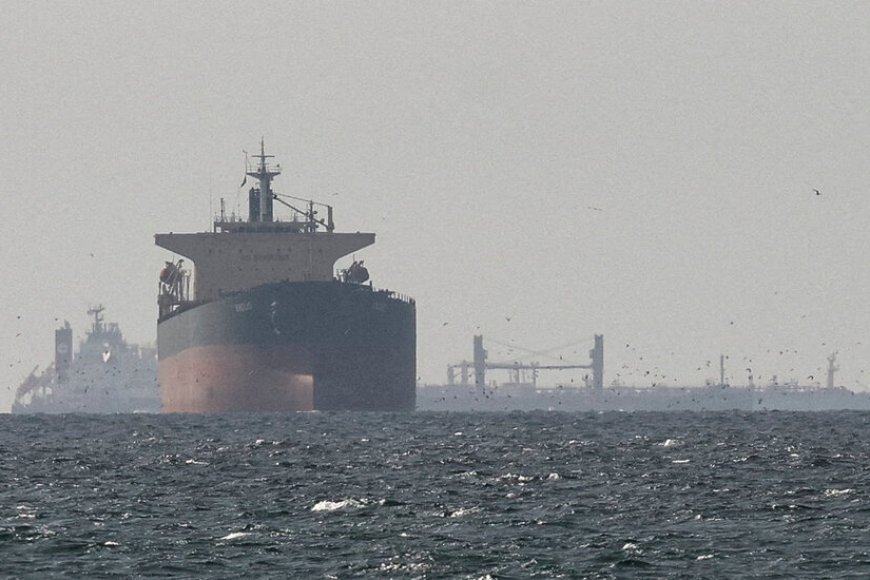
Ships stay stuck in Strait of Hormuz despite new US-Iran deal

Hundreds of ships remained at a stop in the Strait of Hormuz on Monday, despite an initial agreement between the United States and Iran aimed at extending ceasefire and reopening the critical waterway.
U.S. President Donald Trump praised the breakthrough on Truth Social, stating that vessels were "starting to move, many loaded up with Oil" under the terms of the pact.
However, maritime experts who track ship movements quickly disputed the claim, warning that traffic is likely to remain heavily limited for the immediate future.
Exact details of the confidential memorandum of understanding have not been officially released. However, Pakistani officials speaking to the AP on the condition of anonymity revealed the deal was primarily brokered by Pakistan.
The agreement framework dictates a simultaneous lifting of Iran’s closure of the Strait of Hormuz alongside the immediate end of the U.S. blockade on Iranian ports.
Following the mutual reopening, both nations will launch 60 days of formal negotiations regarding Iran’s nuclear program and the potential lifting of economic sanctions.
Iran has signaled that it will not begin implementing the terms of the agreement until the official text is signed.
According to Pakistani mediators, the formal signing ceremony is scheduled to take place this Friday in Switzerland.
The prolonged closure of the strategic chokepoint has heavily roiled international markets over recent weeks. The maritime traffic freeze has sent global prices for fuel, food, and other essential goods spiraling upward, placing intense pressure on both nations to finalize the deal.