
Trump vows more Iran strikes amid Hormuz crisis

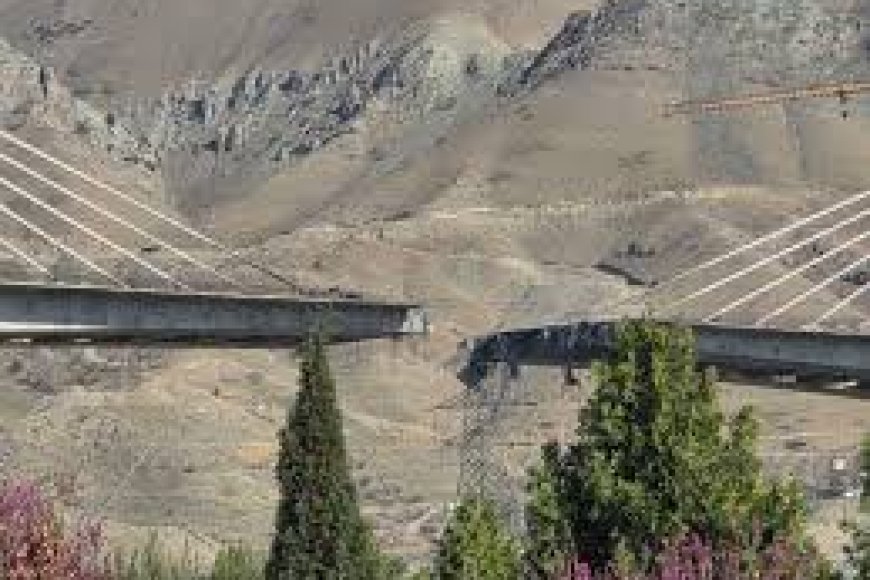
The B1 bridge damaged by a strike, as the U.S.-Israeli conflict with Iran continues, in Karaj, Iran, April 3, 2026. Photo; Courtesy

Trump vows more Iran strikes amid Hormuz crisis

Apr 3, 2026 - 11:16
 0

President Donald Trump has warned late Thursday, April 03, that the United States (U.S.) is prepared to intensify its aerial campaign against Iranian infrastructure, stating the military “hasn’t even started destroying what’s left” of the country.


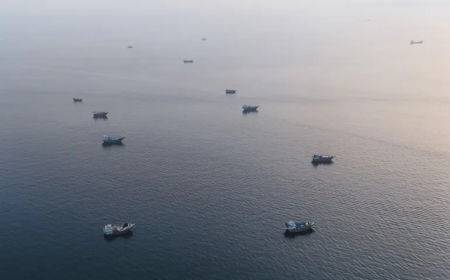
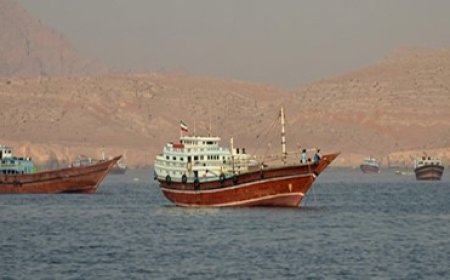
The threat comes as the war enters its fifth week, leaving the strategic Strait of Hormuz paralysed and global energy markets in chaos.

The conflict, sparked by a joint U.S.-Israeli assault on Feb. 28, has now turned toward civilian targets, including the recently bombed B1 bridge connecting Tehran and Karaj. Iranian state media reported that the strike on the bridge killed eight people and wounded 95 others.

While Trump pressures Iran’s leadership to act “FAST,” dozens of nations are meeting urgently to find a way to restart fuel shipments through the Strait of Hormuz. The waterway, which handles a fifth of the world’s oil trade, has been effectively shut down by Tehran in retaliation for the ongoing attacks.

“The U.S. military 'hasn't even started destroying what's left in Iran. Bridges next, then Electric Power Plants,'“ Trump wrote on social media. He added that the Iranian government “knows what has to be done, and has to be done, FAST!”

The President also posted video footage of the U.S. bombing of the B1 bridge. The structure was a new construction that had been scheduled to open to traffic later this year.

Iran’s Foreign Minister, Abbas Araqchi, condemned the escalation in a statement on Friday. “Striking civilian structures, including unfinished bridges, will not compel Iranians to surrender,” Araqchi said.

Iranian media reported a Friday morning drone attack on a Red Crescent relief warehouse in Bushehr, a major port city that also houses the nation’s first nuclear power facility.

In the Gulf, the conflict is spilling over into neighboring states.

The Kuwait Petroleum Corporation confirmed its Mina al-Ahmadi refinery was hit by drones on Friday, April 04, sparking fires but causing no injuries. Meanwhile, Saudi Arabia reported that its air defenses intercepted seven drones in recent hours.

Military losses are also being contested. A spokesperson for Iran’s Khatam al-Anbiya central HQ claimed Friday that Revolutionary Guard air defenses shot down a second U.S. F-35 fighter jet over central Iran. The U.S. has not yet commented on the claim.

The economic fallout is reaching a breaking point.

Oil prices surged 11 per cent on Thursday as the Strait of Hormuz remains blocked. While Japan’s Nikkei saw a slight meeting on hopes of a resolution, fuel shortages are already causing severe economic strain across Asia and Africa.

Diplomatic efforts are not offering progress, where Britain chaired a 40-nation virtual meeting on Thursday to explore restoring freedom of navigation, but no formal agreement was reached.

The UN Security Council is set to vote Saturday, April 05 on a Bahraini resolution to protect commercial shipping. However, China has already voiced its opposition.

China’s U.N. envoy, Fu Cong, told the council that authorizing military force would lead to “further escalation” and “serious consequences.”

Tehran has proposed its own solution: a “protocol” with Oman that would require all ships in the Strait to obtain Iranian permits and licenses.

European Union foreign policy chief Kaja Kallas quickly dismissed the idea. “International law doesn't recognise pay-to-pass schemes,” Kallas wrote on social media, accusing Iran of trying to charge a “bounty” for transit.
Trump vows more Iran strikes amid Hormuz crisis

Apr 3, 2026 - 11:16
Apr 3, 2026 - 12:06
 0
Trump vows more Iran strikes amid Hormuz crisis
The B1 bridge damaged by a strike, as the U.S.-Israeli conflict with Iran continues, in Karaj, Iran, April 3, 2026. Photo; Courtesy

President Donald Trump has warned late Thursday, April 03, that the United States (U.S.) is prepared to intensify its aerial campaign against Iranian infrastructure, stating the military “hasn’t even started destroying what’s left” of the country.


The threat comes as the war enters its fifth week, leaving the strategic Strait of Hormuz paralysed and global energy markets in chaos.

The conflict, sparked by a joint U.S.-Israeli assault on Feb. 28, has now turned toward civilian targets, including the recently bombed B1 bridge connecting Tehran and Karaj. Iranian state media reported that the strike on the bridge killed eight people and wounded 95 others.

While Trump pressures Iran’s leadership to act “FAST,” dozens of nations are meeting urgently to find a way to restart fuel shipments through the Strait of Hormuz. The waterway, which handles a fifth of the world’s oil trade, has been effectively shut down by Tehran in retaliation for the ongoing attacks.

“The U.S. military 'hasn't even started destroying what's left in Iran. Bridges next, then Electric Power Plants,'“ Trump wrote on social media. He added that the Iranian government “knows what has to be done, and has to be done, FAST!”

The President also posted video footage of the U.S. bombing of the B1 bridge. The structure was a new construction that had been scheduled to open to traffic later this year.

Iran’s Foreign Minister, Abbas Araqchi, condemned the escalation in a statement on Friday. “Striking civilian structures, including unfinished bridges, will not compel Iranians to surrender,” Araqchi said.

Iranian media reported a Friday morning drone attack on a Red Crescent relief warehouse in Bushehr, a major port city that also houses the nation’s first nuclear power facility.

In the Gulf, the conflict is spilling over into neighboring states.

The Kuwait Petroleum Corporation confirmed its Mina al-Ahmadi refinery was hit by drones on Friday, April 04, sparking fires but causing no injuries. Meanwhile, Saudi Arabia reported that its air defenses intercepted seven drones in recent hours.

Military losses are also being contested. A spokesperson for Iran’s Khatam al-Anbiya central HQ claimed Friday that Revolutionary Guard air defenses shot down a second U.S. F-35 fighter jet over central Iran. The U.S. has not yet commented on the claim.

The economic fallout is reaching a breaking point.

Oil prices surged 11 per cent on Thursday as the Strait of Hormuz remains blocked. While Japan’s Nikkei saw a slight meeting on hopes of a resolution, fuel shortages are already causing severe economic strain across Asia and Africa.

Diplomatic efforts are not offering progress, where Britain chaired a 40-nation virtual meeting on Thursday to explore restoring freedom of navigation, but no formal agreement was reached.

The UN Security Council is set to vote Saturday, April 05 on a Bahraini resolution to protect commercial shipping. However, China has already voiced its opposition.

China’s U.N. envoy, Fu Cong, told the council that authorizing military force would lead to “further escalation” and “serious consequences.”

Tehran has proposed its own solution: a “protocol” with Oman that would require all ships in the Strait to obtain Iranian permits and licenses.

European Union foreign policy chief Kaja Kallas quickly dismissed the idea. “International law doesn't recognise pay-to-pass schemes,” Kallas wrote on social media, accusing Iran of trying to charge a “bounty” for transit.