
Interpeace Launches a Free Global Training Course to Help Aid Workers Strengthen Peacebuilding

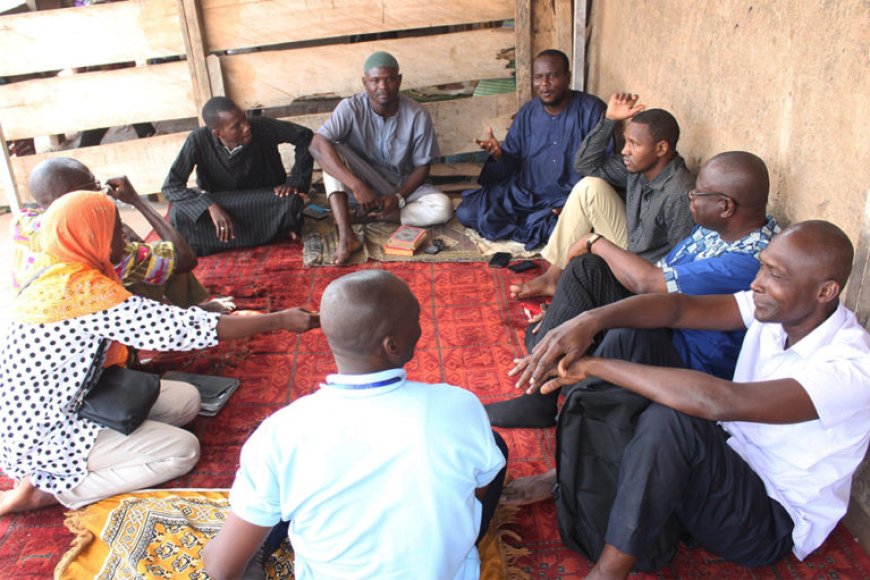
Photo: Interpeace via website

Interpeace Launches a Free Global Training Course to Help Aid Workers Strengthen Peacebuilding

Mar 16, 2026 - 23:20
 0

The Interpeace has launched a new round of its Peace Responsiveness Online Training, offering humanitarian, development and peacebuilding professionals practical tools to ensure their work contributes more deliberately to peace in fragile and conflict-affected contexts.


Applications for the course are now open have until 29 March, with the training scheduled to run from 13 April to 22 June 2026.

Designed for professionals working on the frontlines of humanitarian response and development programmes, the course helps participants better understand how everyday initiatives, such as food security, health services, or water and sanitation projects, can influence conflict dynamics and strengthen peace within communities.

Through the programme, Interpeace aims to equip practitioners with practical skills to maximise the peace impact of technical interventions while navigating complex environments where aid activities can shape local relationships, governance systems and social tensions.

The three-month training brings together a global cohort of professionals who complete structured learning modules at their own pace while engaging in interactive discussions with trainers and peers.

Participants will also take part in three live virtual sessions, designed to encourage exchange of experiences, reflection on real-world challenges and collaborative problem-solving.

To keep the learning grounded in practice, the course includes a specially designed fictional case study, assessments and a personal learning journal to help participants connect the lessons to their own work and organizations.

By the end of the training, participants are expected to gain new tools to help humanitarian and development programs strengthen societal resilience to conflict and violence while improving the effectiveness of their initiatives.

The course also encourages participants to act as catalysts for change within their organizations by promoting more peace-responsive approaches across the international aid system.

In doing so, the program contributes to global efforts such as the United Nations Sustaining Peace Agenda and the Humanitarian‑Development‑Peace Nexus, which seek closer collaboration between humanitarian, development and peace actors to address both the symptoms and root causes of conflict.
 

Interpeace Launches a Free Global Training Course to Help Aid Workers Strengthen Peacebuilding

Mar 16, 2026 - 23:20
 0
Interpeace Launches a Free Global Training Course to Help Aid Workers Strengthen Peacebuilding
Photo: Interpeace via website

The Interpeace has launched a new round of its Peace Responsiveness Online Training, offering humanitarian, development and peacebuilding professionals practical tools to ensure their work contributes more deliberately to peace in fragile and conflict-affected contexts.


Applications for the course are now open have until 29 March, with the training scheduled to run from 13 April to 22 June 2026.

Designed for professionals working on the frontlines of humanitarian response and development programmes, the course helps participants better understand how everyday initiatives, such as food security, health services, or water and sanitation projects, can influence conflict dynamics and strengthen peace within communities.

Through the programme, Interpeace aims to equip practitioners with practical skills to maximise the peace impact of technical interventions while navigating complex environments where aid activities can shape local relationships, governance systems and social tensions.

The three-month training brings together a global cohort of professionals who complete structured learning modules at their own pace while engaging in interactive discussions with trainers and peers.

Participants will also take part in three live virtual sessions, designed to encourage exchange of experiences, reflection on real-world challenges and collaborative problem-solving.

To keep the learning grounded in practice, the course includes a specially designed fictional case study, assessments and a personal learning journal to help participants connect the lessons to their own work and organizations.

By the end of the training, participants are expected to gain new tools to help humanitarian and development programs strengthen societal resilience to conflict and violence while improving the effectiveness of their initiatives.

The course also encourages participants to act as catalysts for change within their organizations by promoting more peace-responsive approaches across the international aid system.

In doing so, the program contributes to global efforts such as the United Nations Sustaining Peace Agenda and the Humanitarian‑Development‑Peace Nexus, which seek closer collaboration between humanitarian, development and peace actors to address both the symptoms and root causes of conflict.